

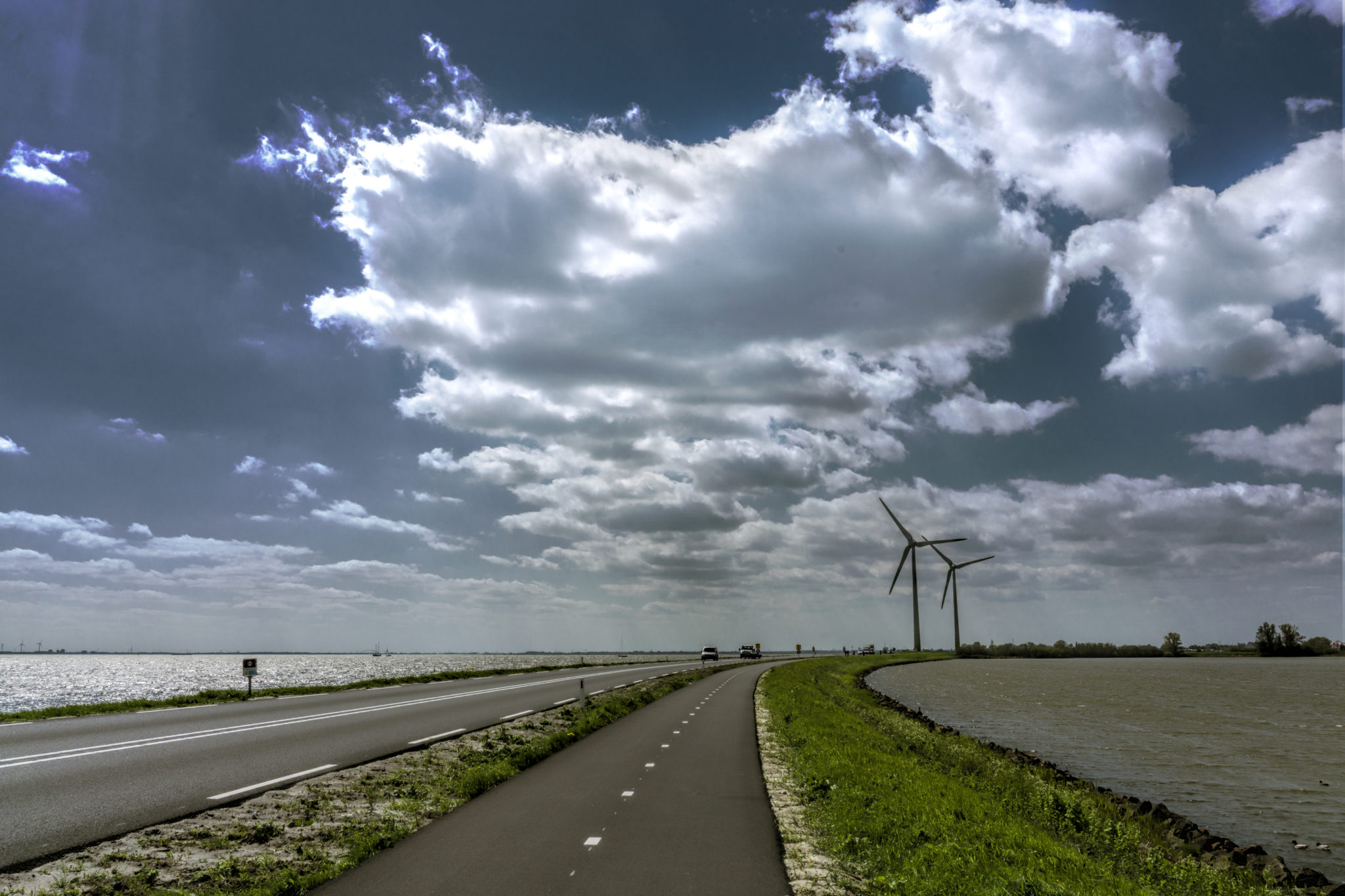
It is very comfortable and nice to start a bicycle trip where cycling paths are never ending, where people greet you when you pass by, wave at you wishing a good journey…. True, the flatness of the land helps. A country where the highest point “rises” to just 323 meters will always be suitable for cyclists. Yet there is something more to the Dutch affection for propulsion by pedal. It is a way of life.
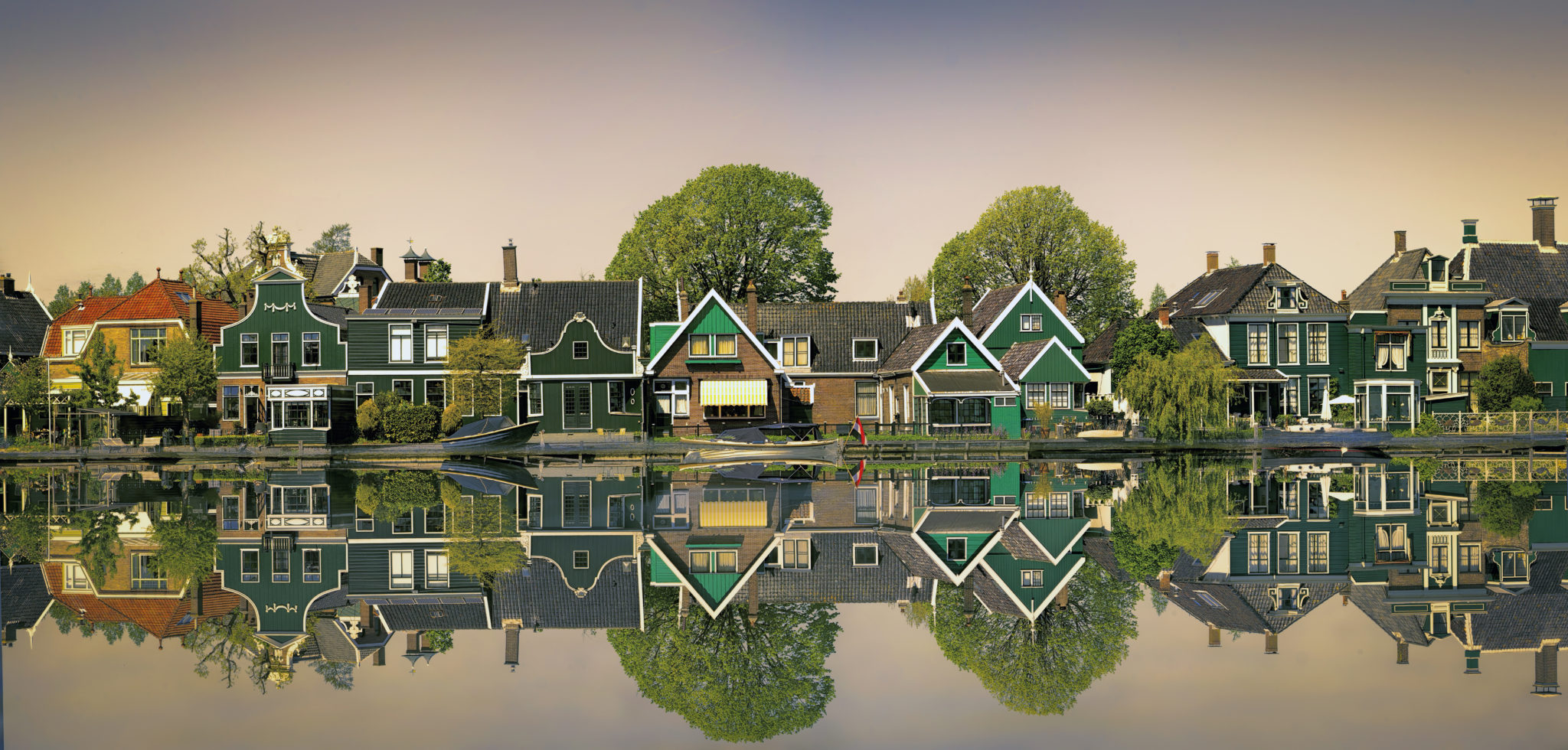

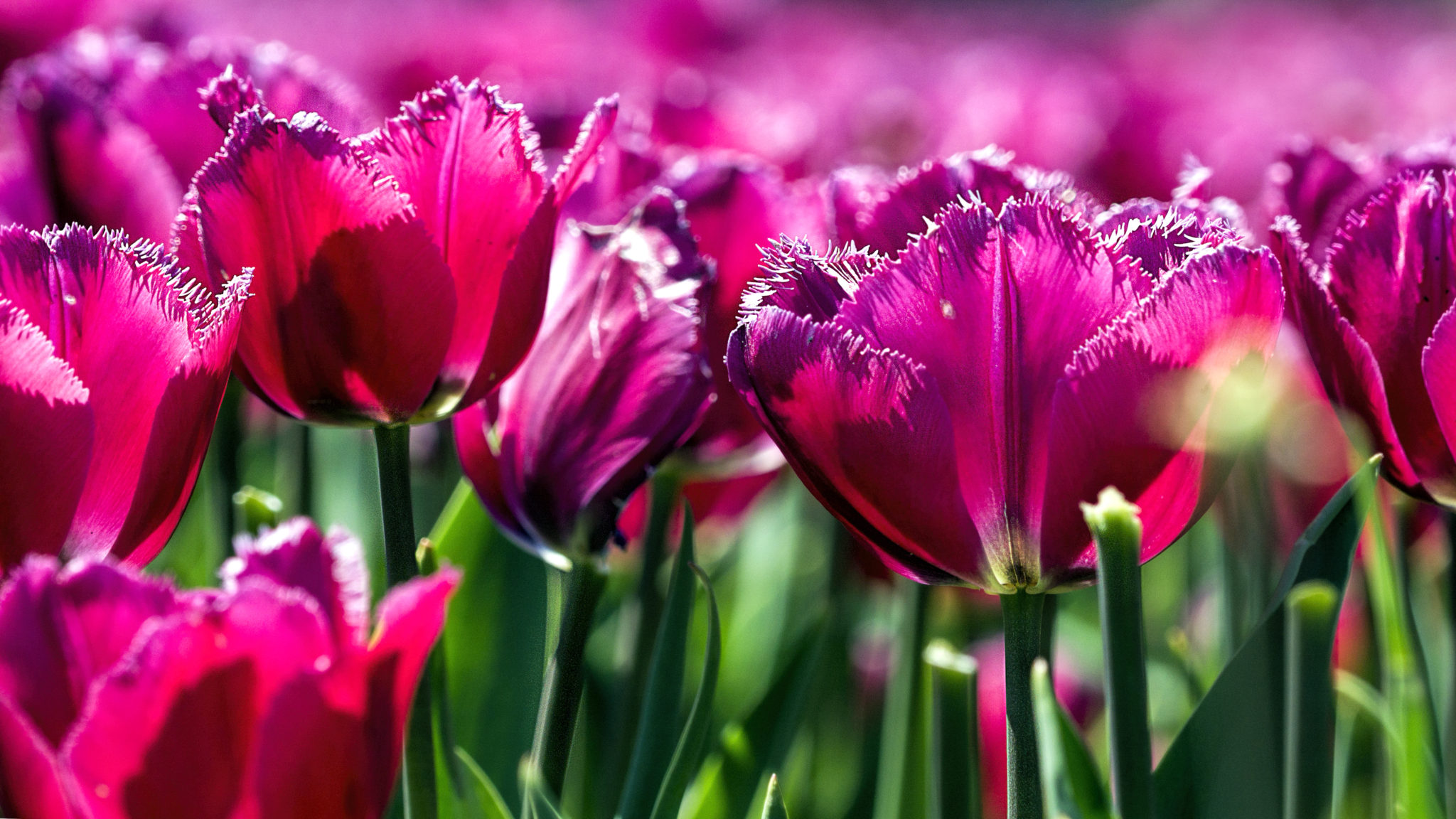

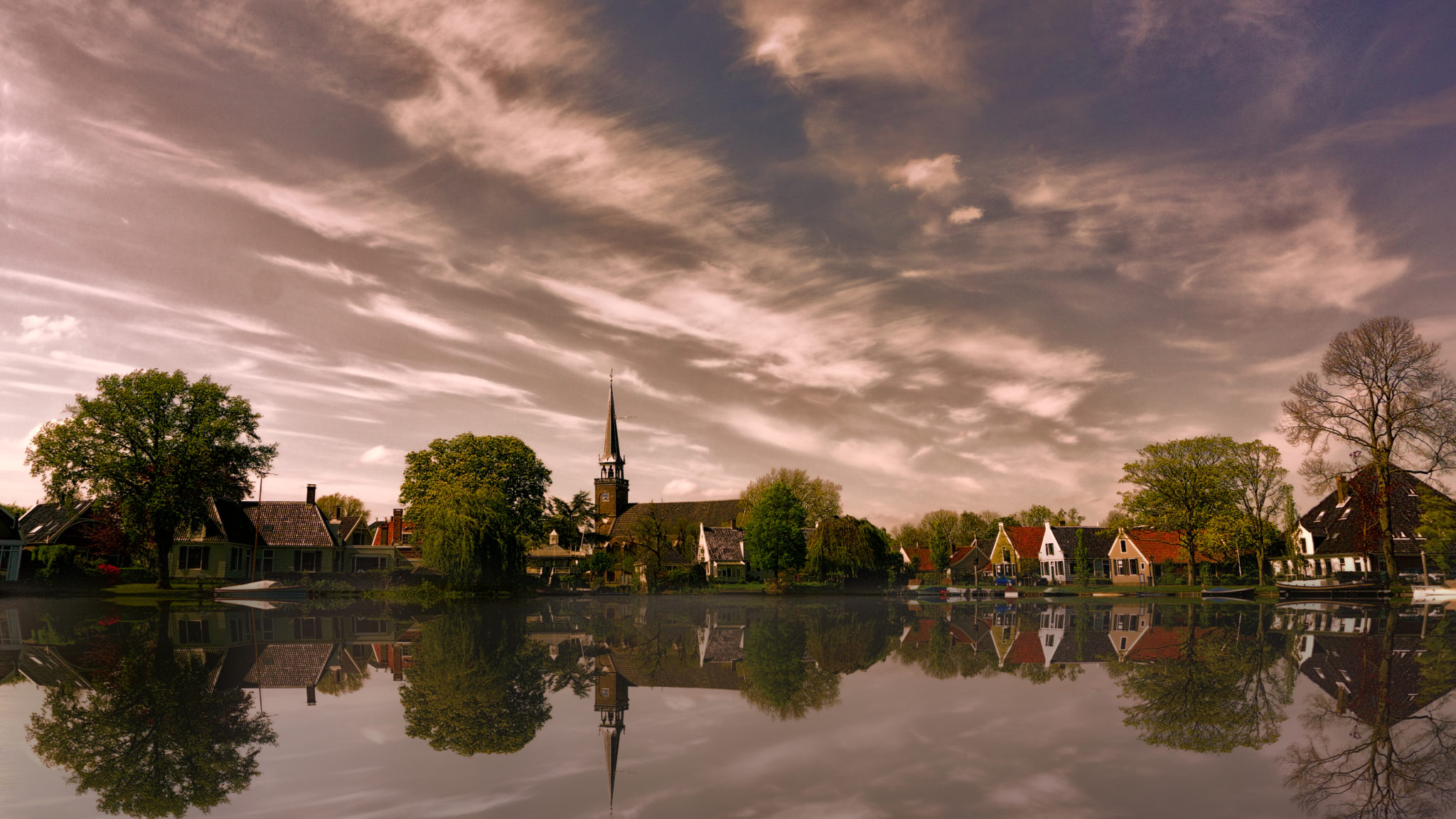

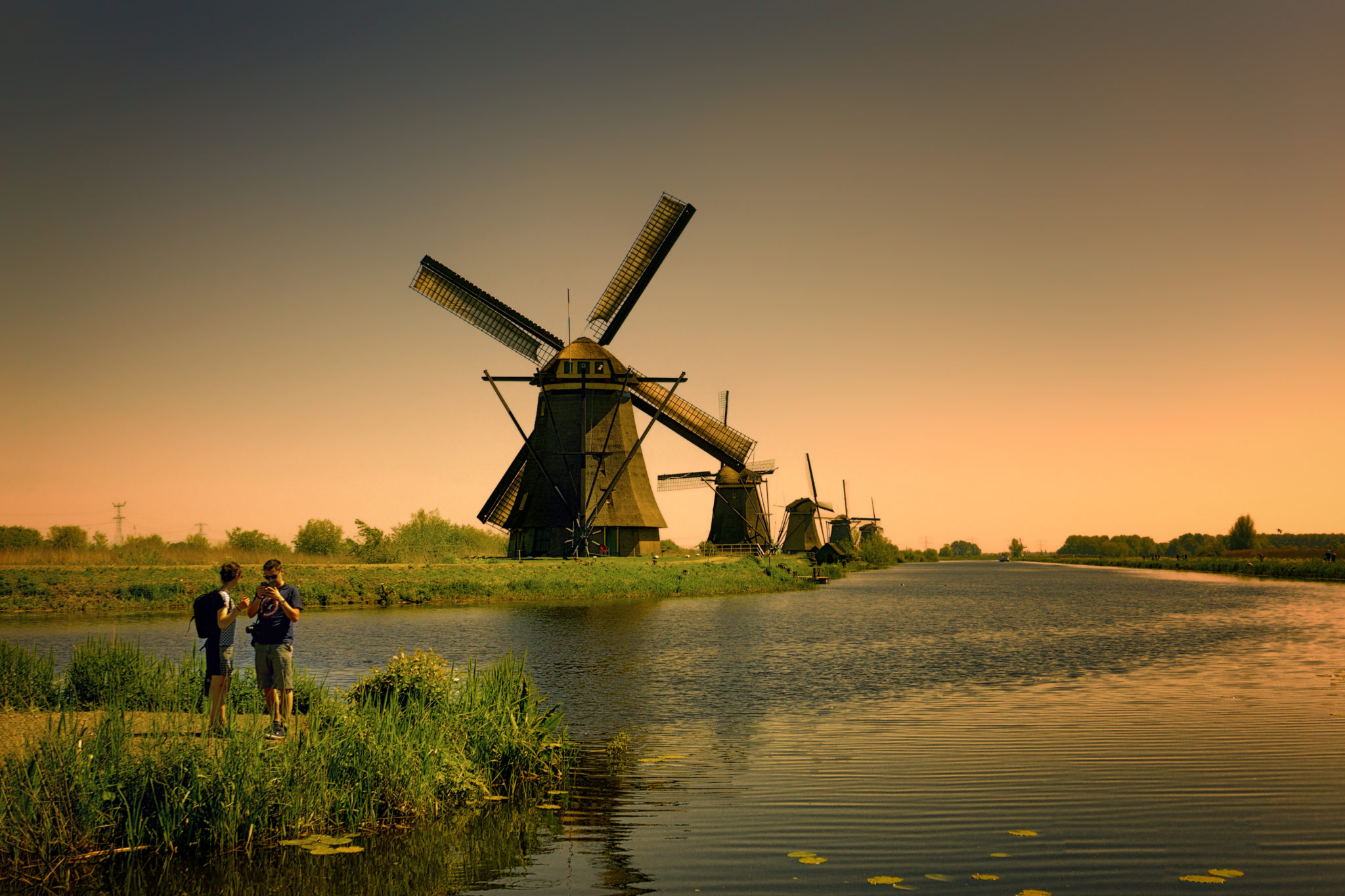

When most people think of the Netherlands, they think of Amsterdam with its famous red lights and “coffee” shops. (And probably tulips, too.) But there is much more to the country than those three things. The Netherlands is a country filled with historic brick filled and cobblestone lane cities, an interconnected canals, beautiful and vast farmland, iconic windmills, and even some pleasant beaches.
Most travelers come to the Netherlands and only party in Amsterdam for a few days, but by doing so, they miss much of what the country has to offer. Spend time exploring, get out of the cities and you’ll discover the amazing secrets of the country. I highly recommend heading north (especially in April or May when the tulips are in bloom).
1st day: Thessaloniki- Schiphol Airport- Edam
(Schiphol Airport to Edam, 43km cycling, ~3hours)
EDAM
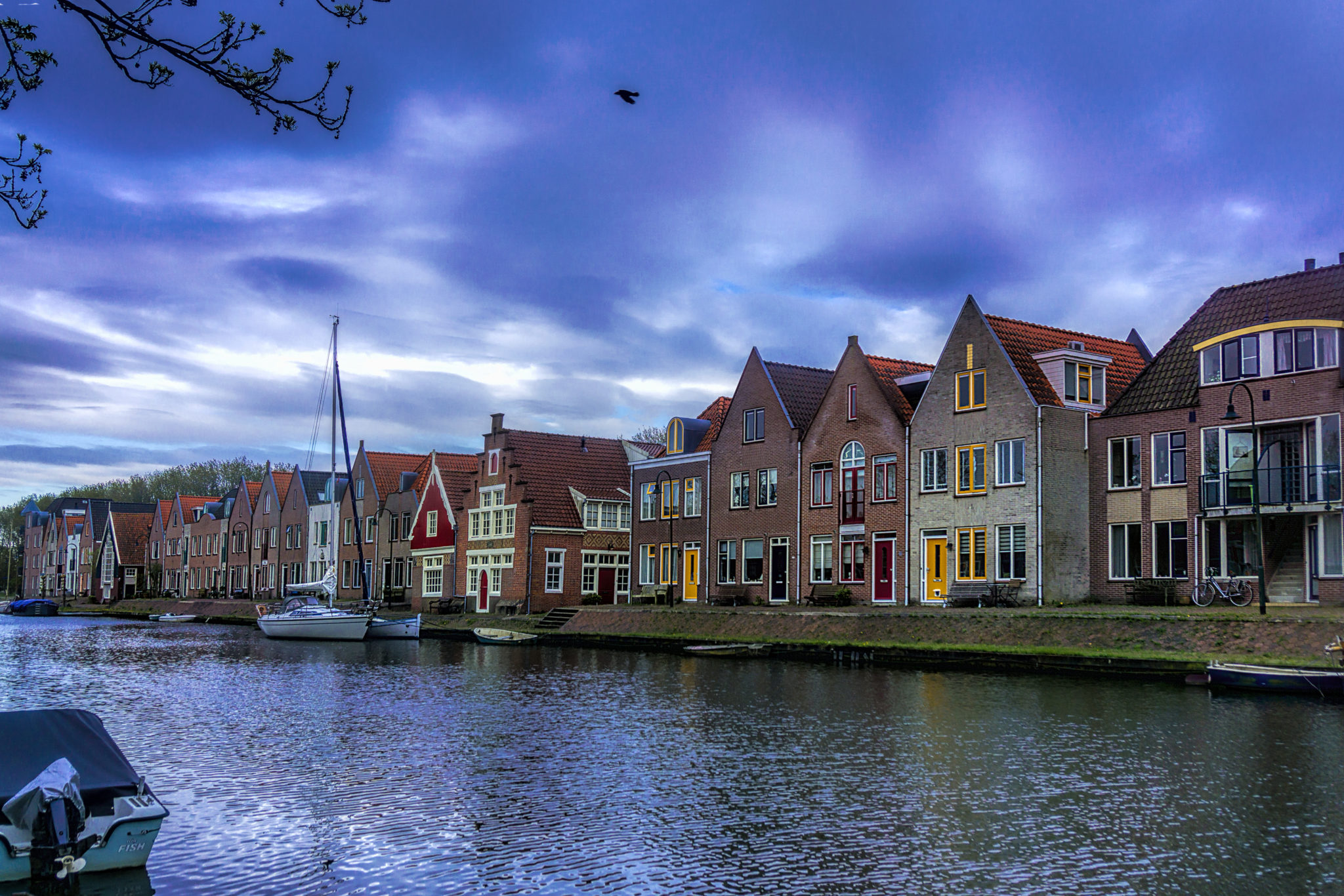

Edam, town of cheese and much more!
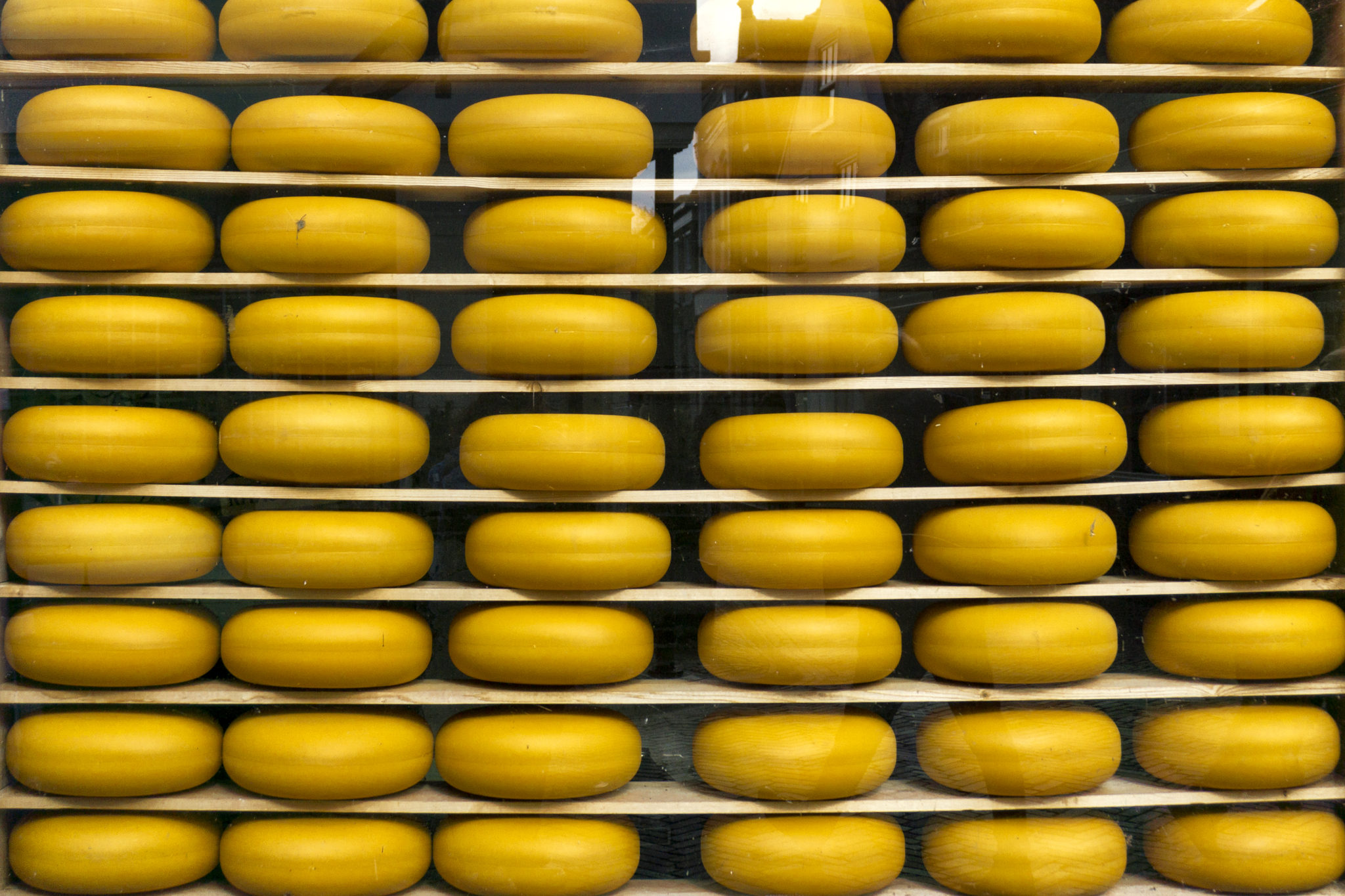
The most obvious association with the name ‘Edam’ is ‘cheese’. For centuries the well-known round Edam cheeses have been sent from this little town to all corners of the world. However, Edam is more than cheese.

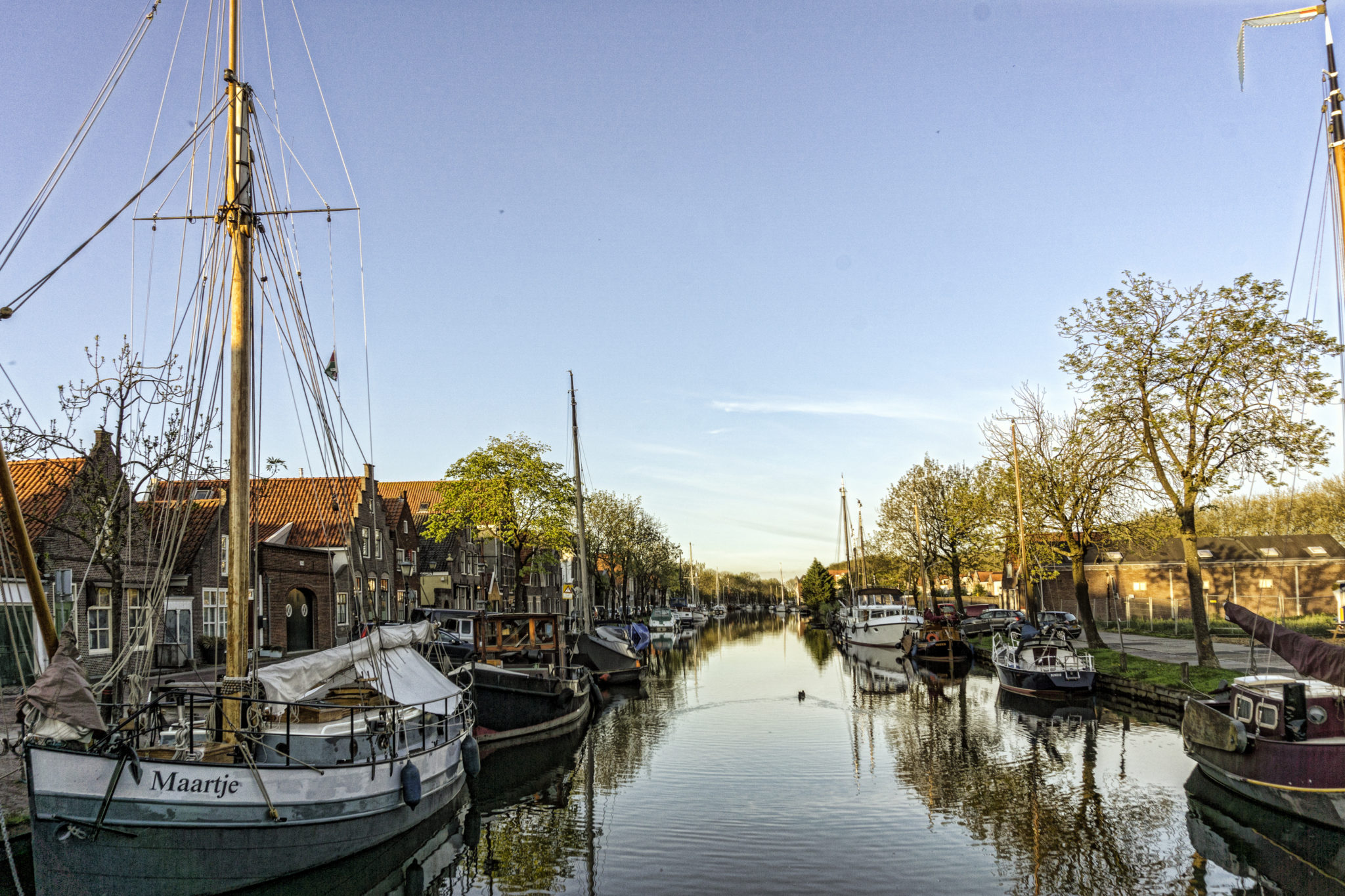

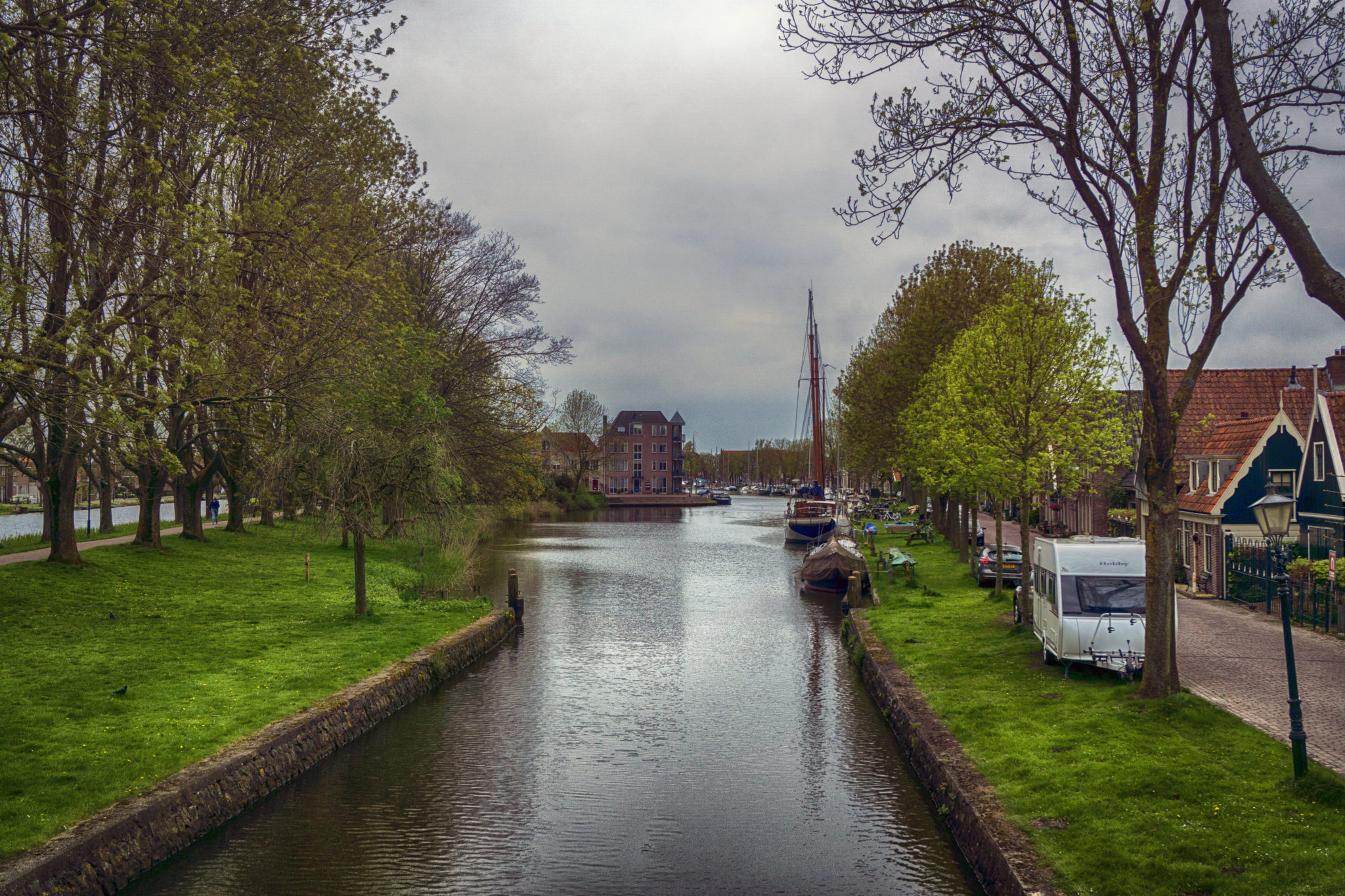

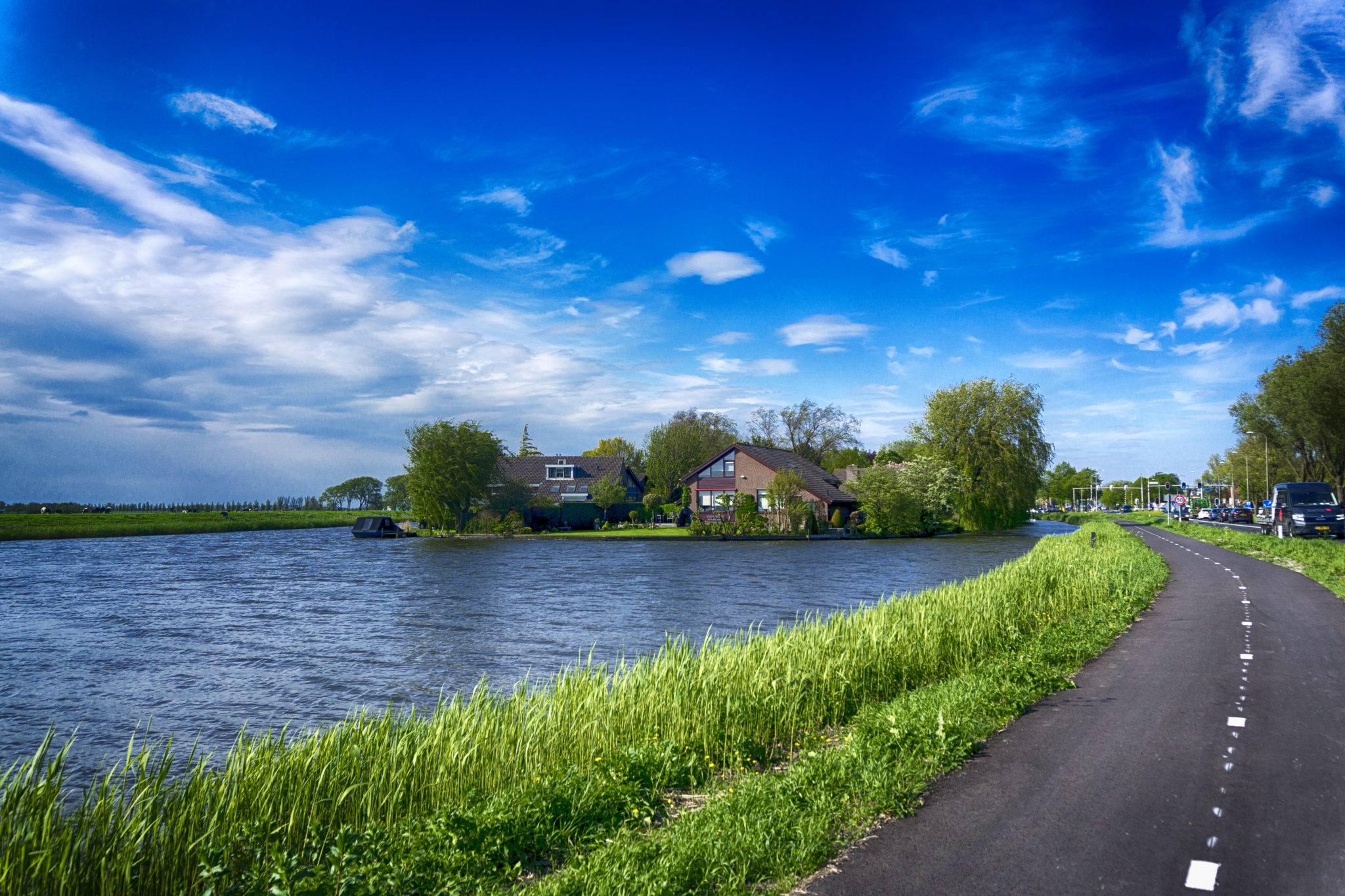

Edam is a city with a rich history. It began in the 12th century, when farmers and fishermen settled along the little Ye river. With that ‘Yedam’ was a fact. This primitive settlement developed into an increasingly prosperous town well into the 17th century. Shipbuilding played an important role in this growth. Once Edam had a great number of ship yards building many famous ships. A good example is the ‘Halve Maan’ (Half Moon), the ship that the Englishman Henry Hudson sailed in 1609 when attempting to discover a northern route to the East Indies. A futile attempt in fact, because he stranded on the island of Manhattan! Beside shipbuilding, commerce was a major contributor to the thriving development of Edam.
Today Edam is a town with authentic 17th century architecture, convincing proof of its rich past. When walking along the old streets and quiet canals, one can easily imagine how it must have been in a Dutch town centuries ago. Well preserved gables, squares, bridges and monuments capture and hold the attention of the visitor.
A stroll takes one past the tea-houses on the ‘Schepenmakersdijk’, the leaning Carillon tower, the museum with the floating cellar and the Tourist Information on the Dam square.
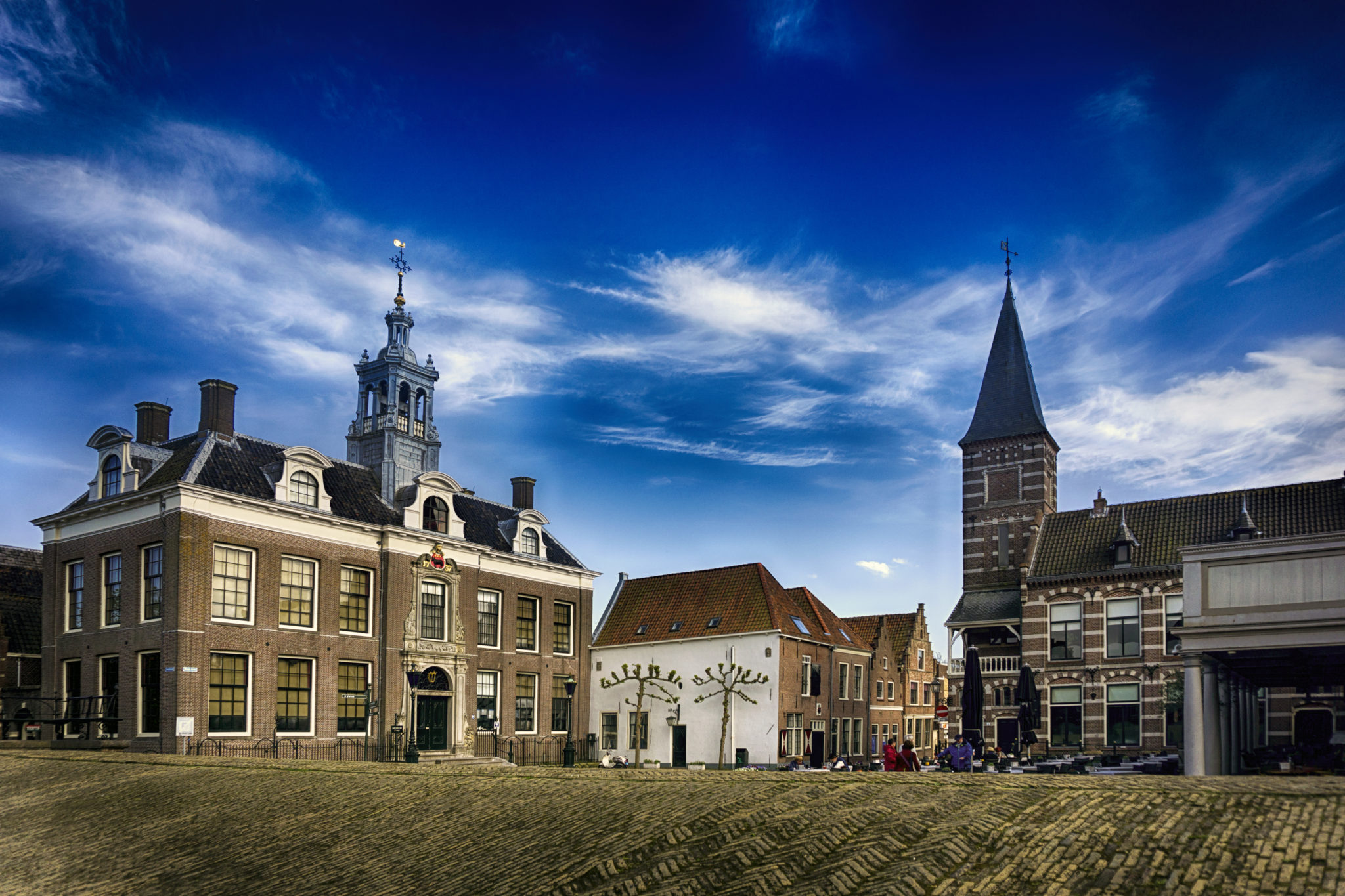

Grote Kerk, is one of the largest churches in the Netherlands. It has an extraordinary collection of richly colored stained glass windows dating from the 17th century. Edam has more to offer: cosy shopping streets and convivial terraces where once can enjoy a drink, a bite to eat and the local color.
2nd day: Edam- Volendam- Marken- Monnickendam- Theetuin Overleek- Edam
(Edam to Volendam, 4.5km cycling, Volendam to Marken 30min by ferry, Marken to Theetuin 12,5km cycling, Theetuin to Broek in Waterland 3 hours by electric boat, Theetuin to Edam 9,2km cycling)
VOLENDAM
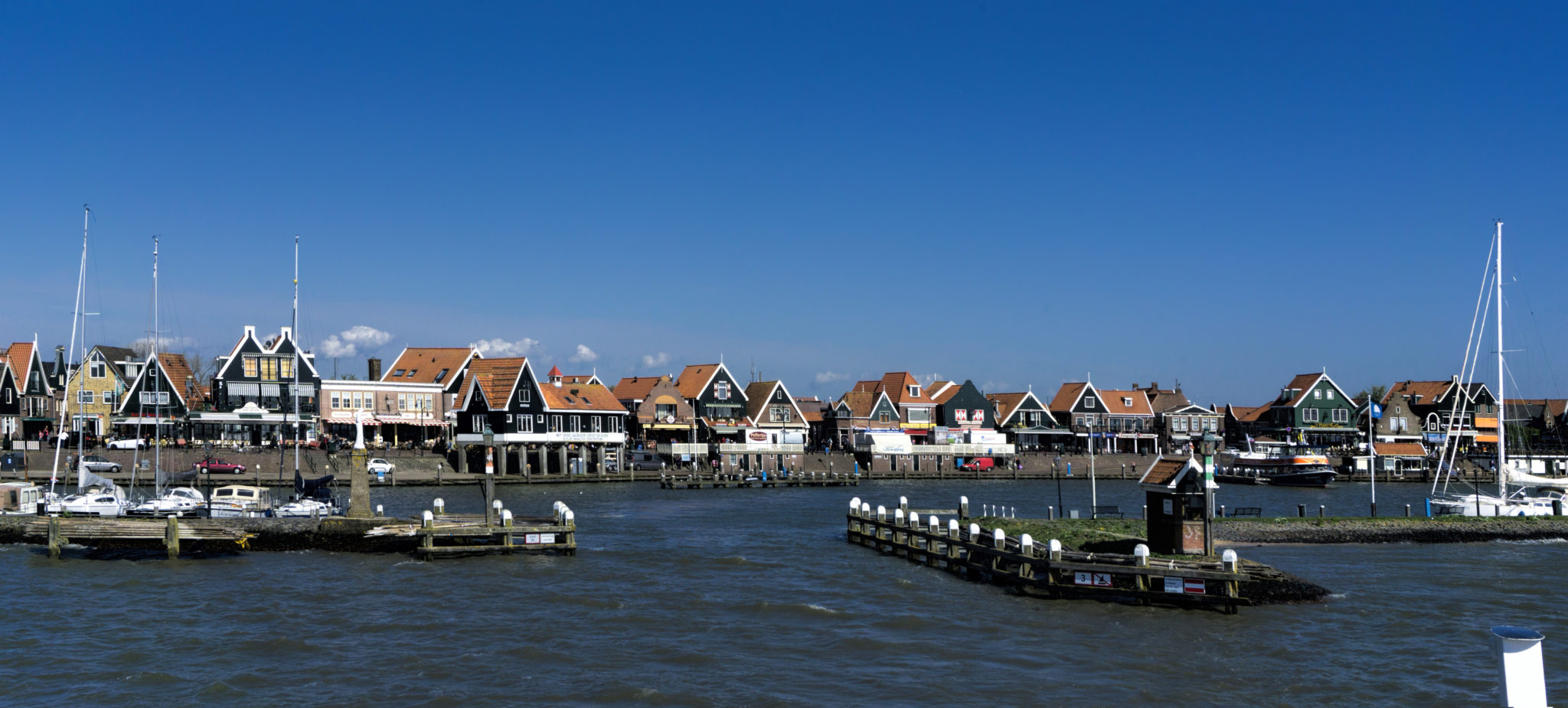

A visit to Volendam typically begins with a stroll down De Dijk, the main harbor strip, which remains a lively shopping and residential street. On one side you have the working trawlers and fishing boats, which remain the lifeblood for so many in the area. On the other you can see the traditional wooden buildings and homes. Make the most of your time in the fishing village by sampling the freshly caught seafood. A variety of cosy cafés and restaurants, along with outdoor seafood vendors, will tempt your taste-buds.
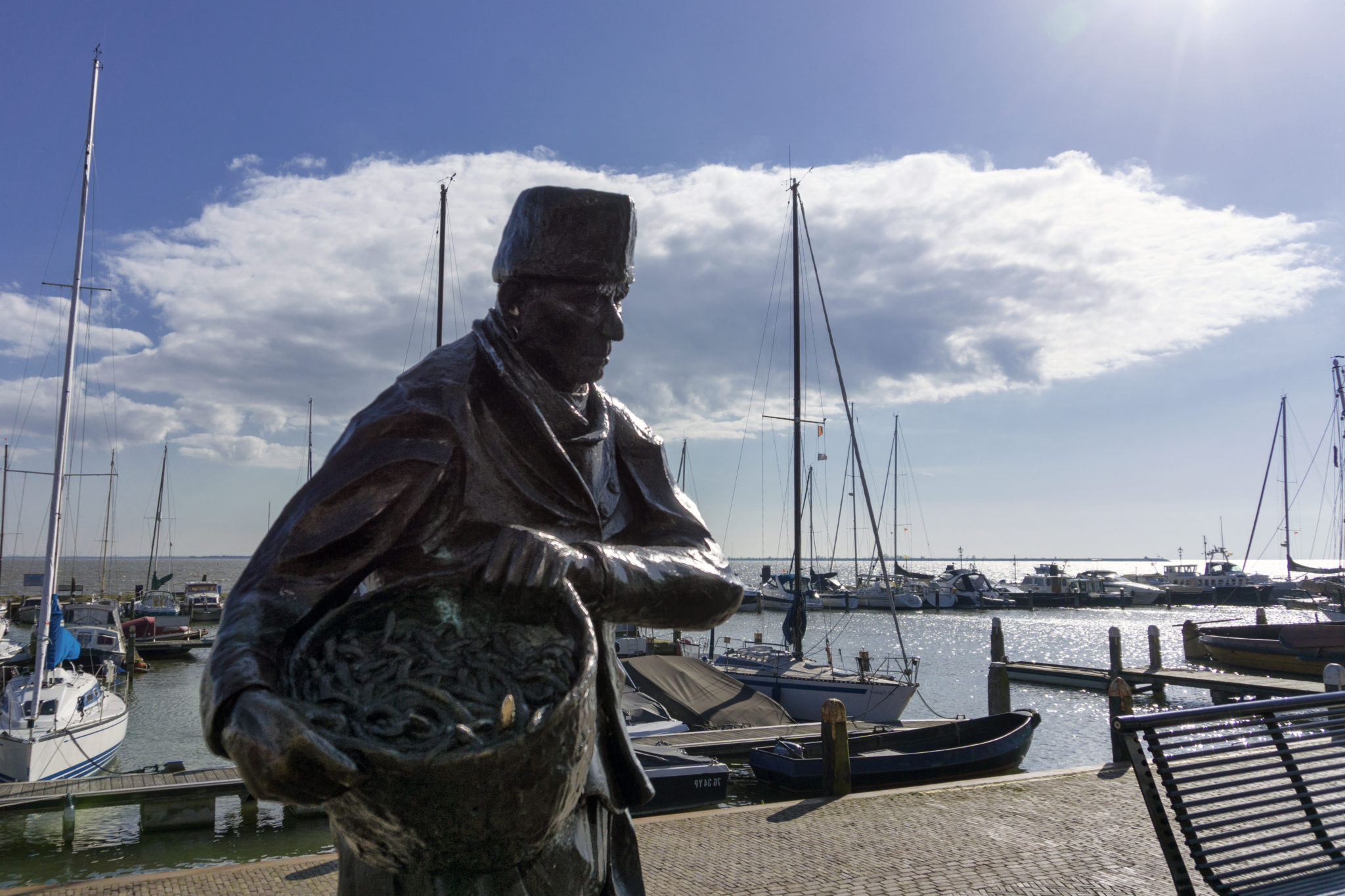

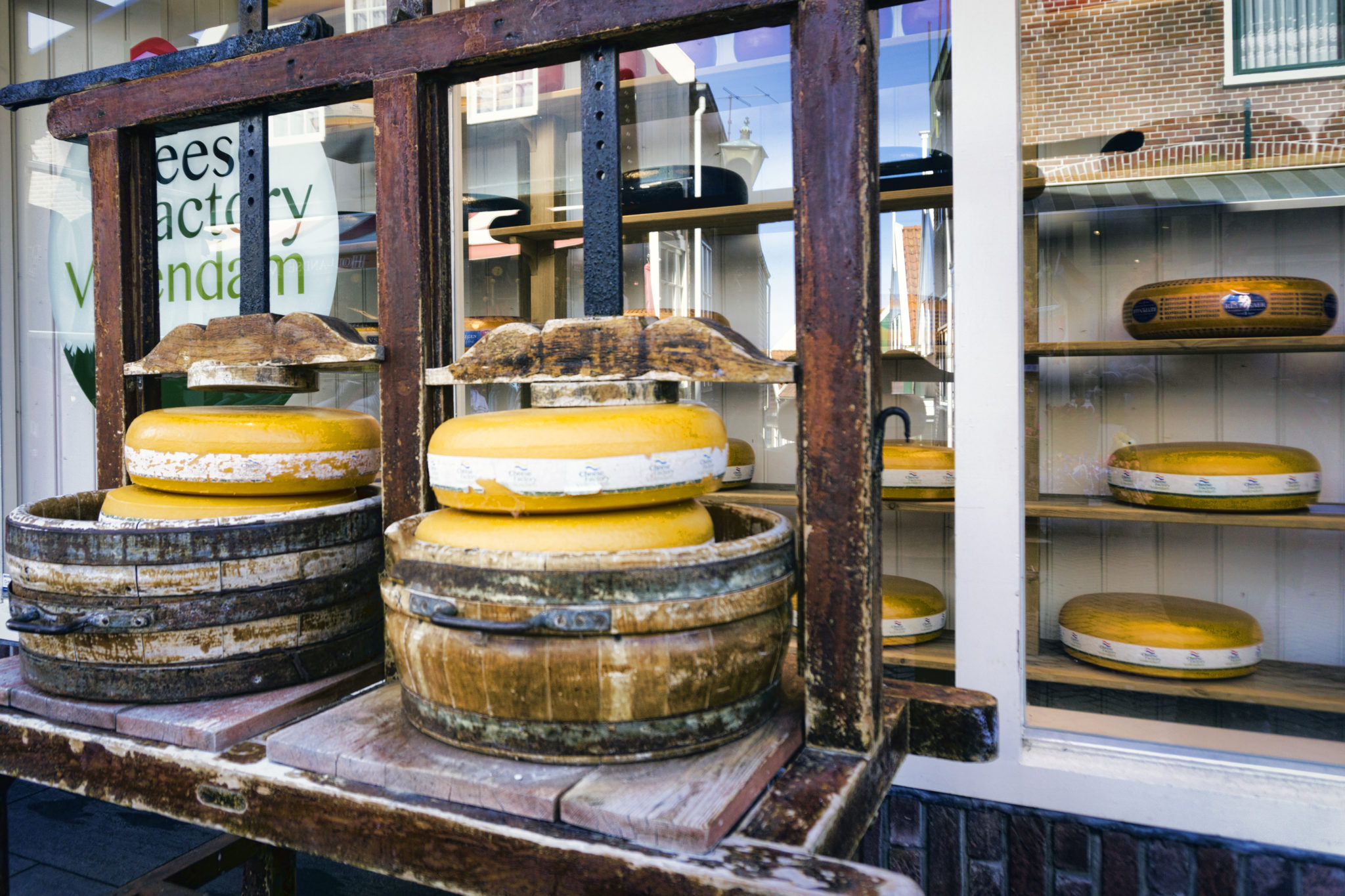

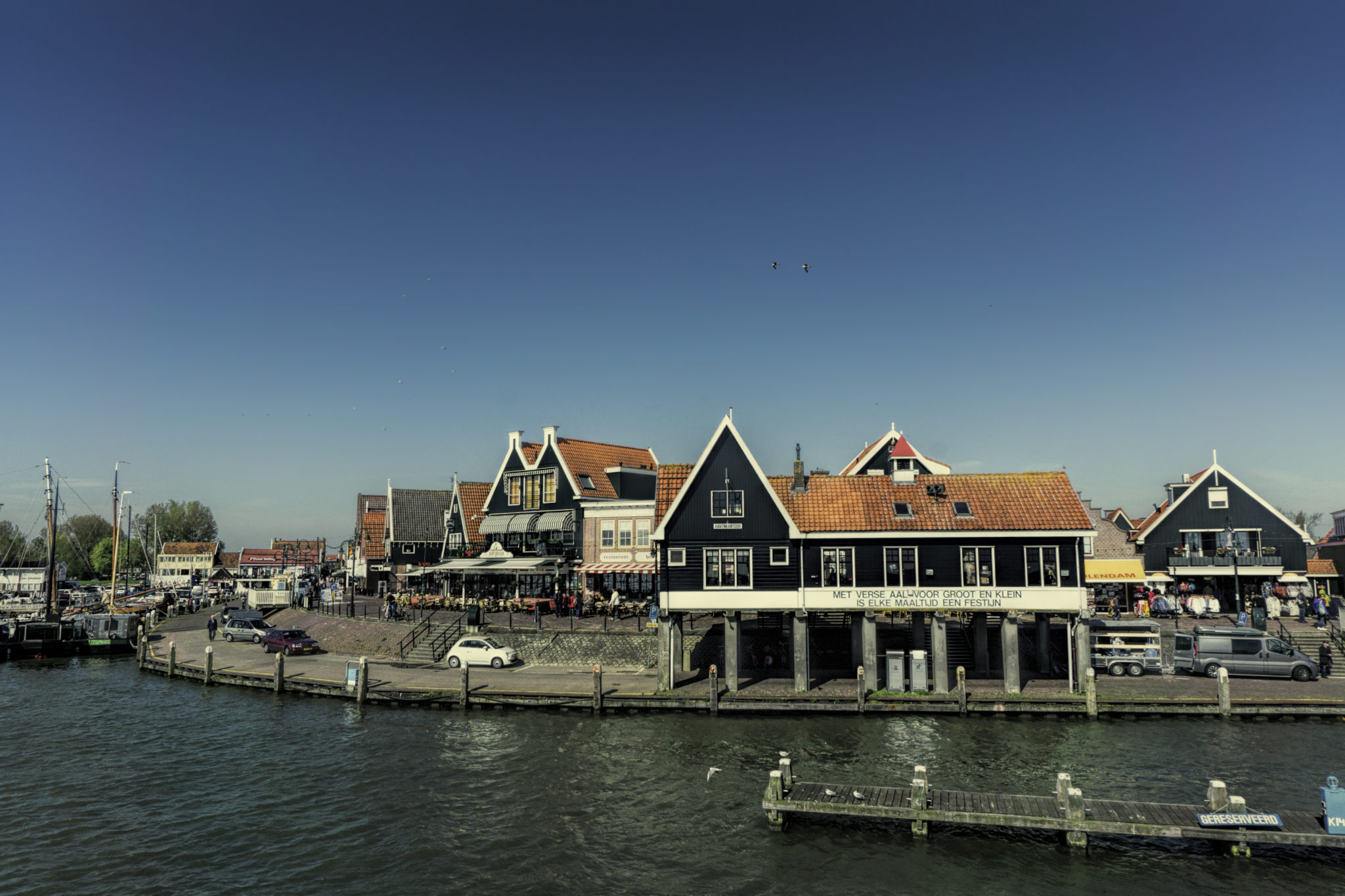


During a visit to Volendam or Marken, off course you have to cross the lake.
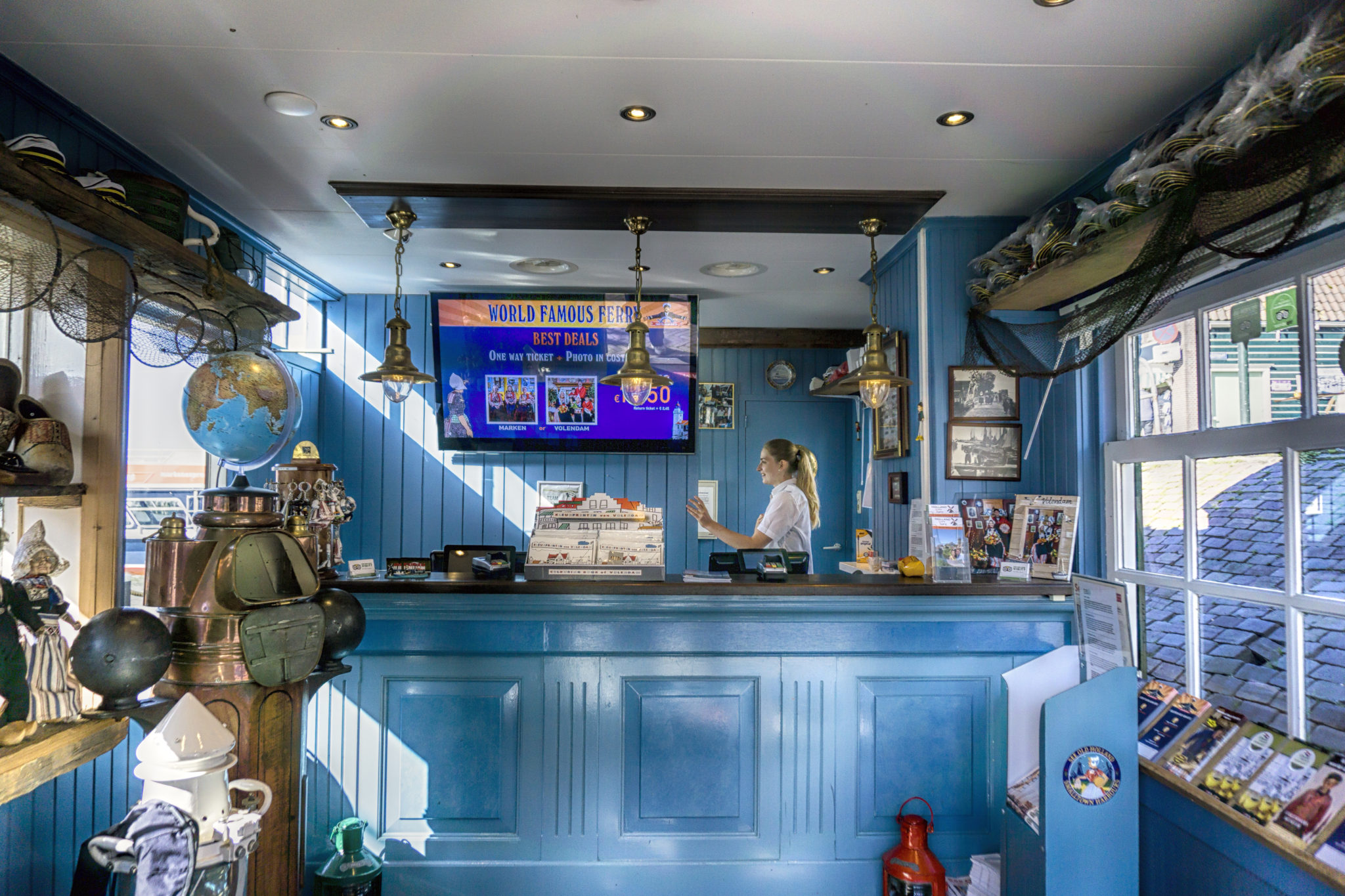

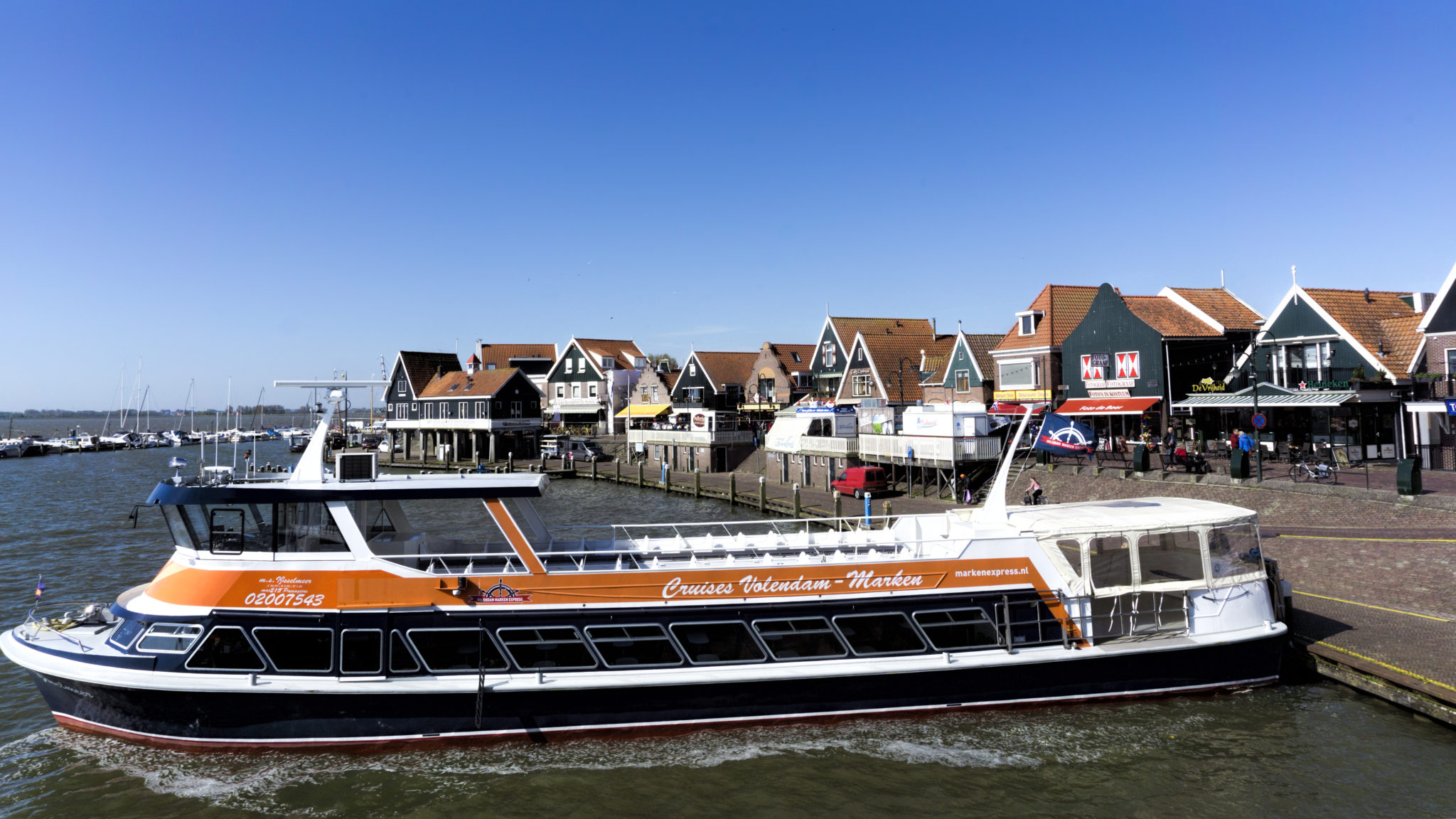

And with an enjoyable boat trip with the Volendam Marken Express, you have the opportunity to visit even two unique villages in one day. You will be surprised by how different Volendam and Marken are, within a distance of only a few kilometers. Houses are different, inhabitants are different and even their religions are different., Volendammers are Catholic and Markers are Protestant.
The boat trip lasts 30 minutes.
MARKEN
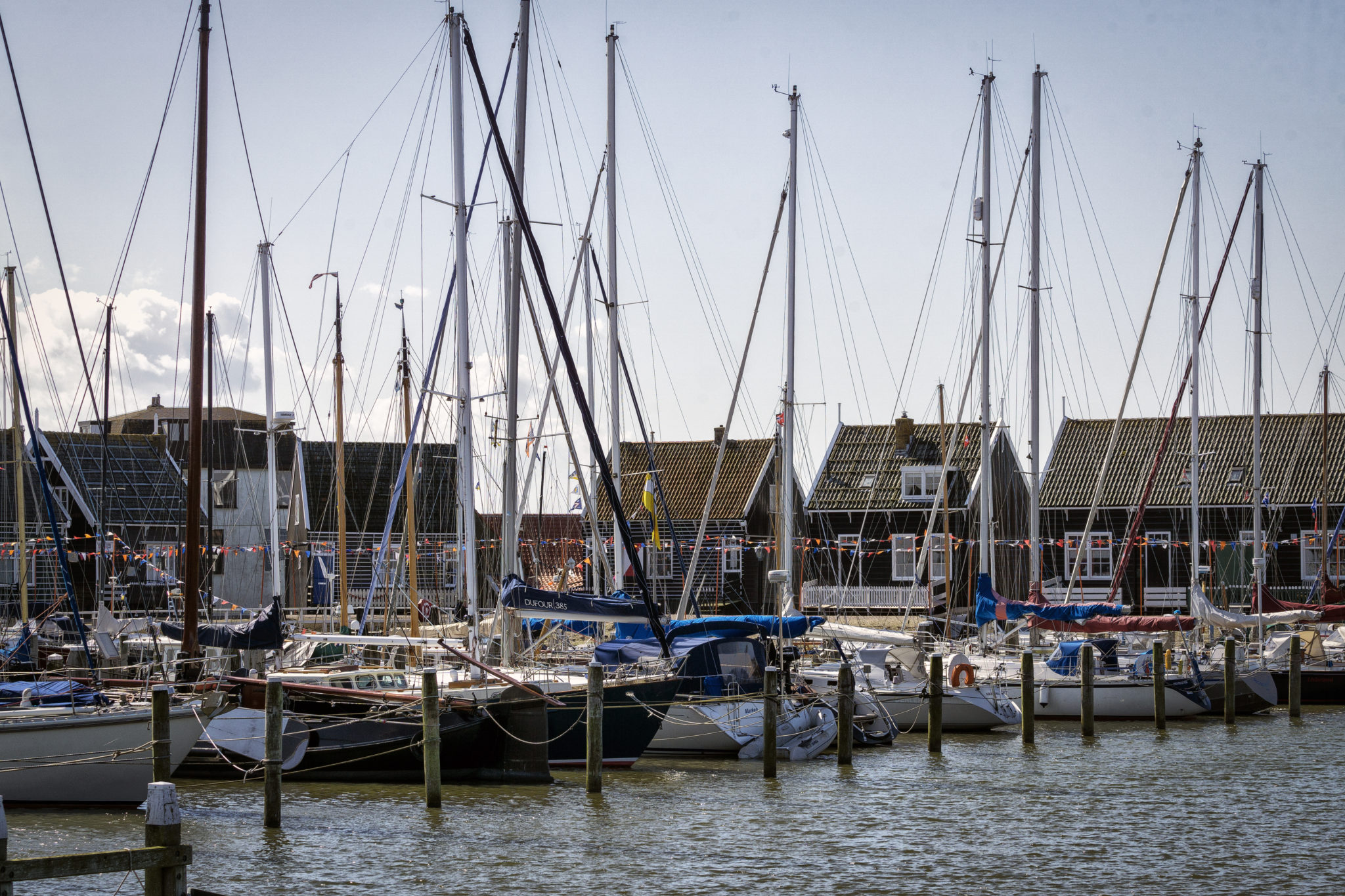

Marken is a former island in the Markermeer. This peninsula remains a popular seaside getaway that’s reachable via a long causeway or a reliable fleet of ferries. Locals and international tourists alike flock to the island to take in its scenic views and enjoy its rich cultural history, such as the preserved fishing culture.
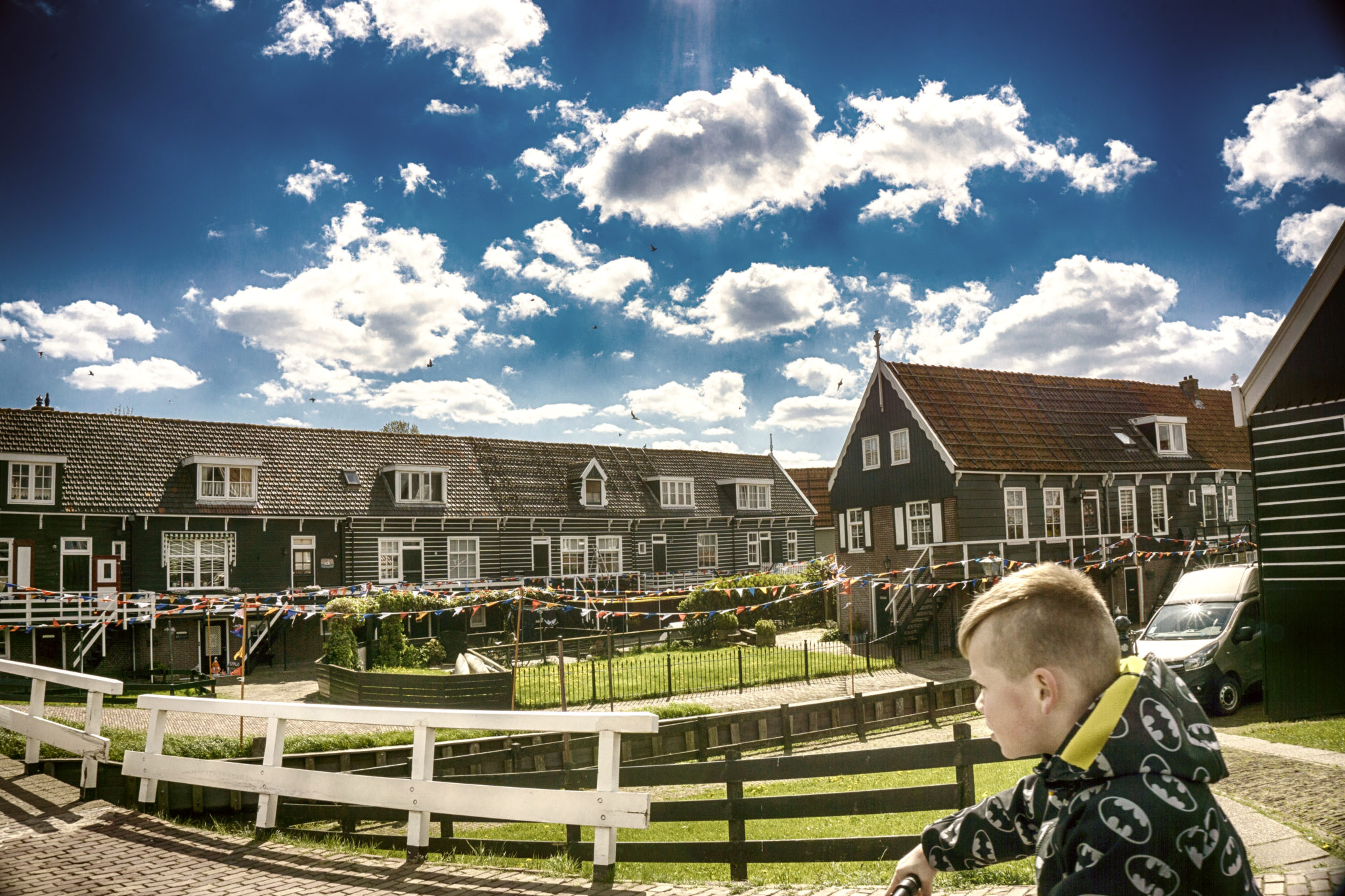

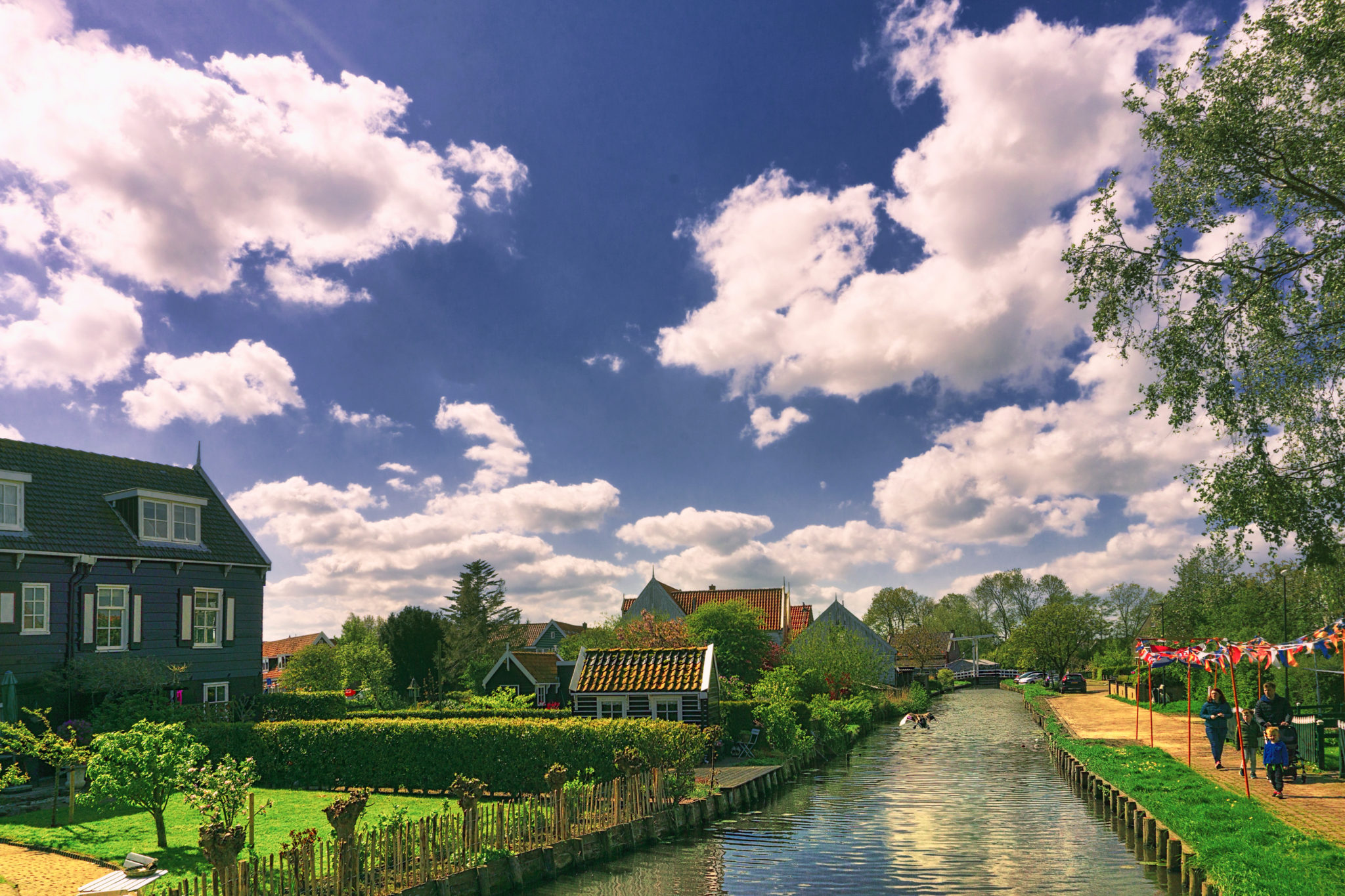

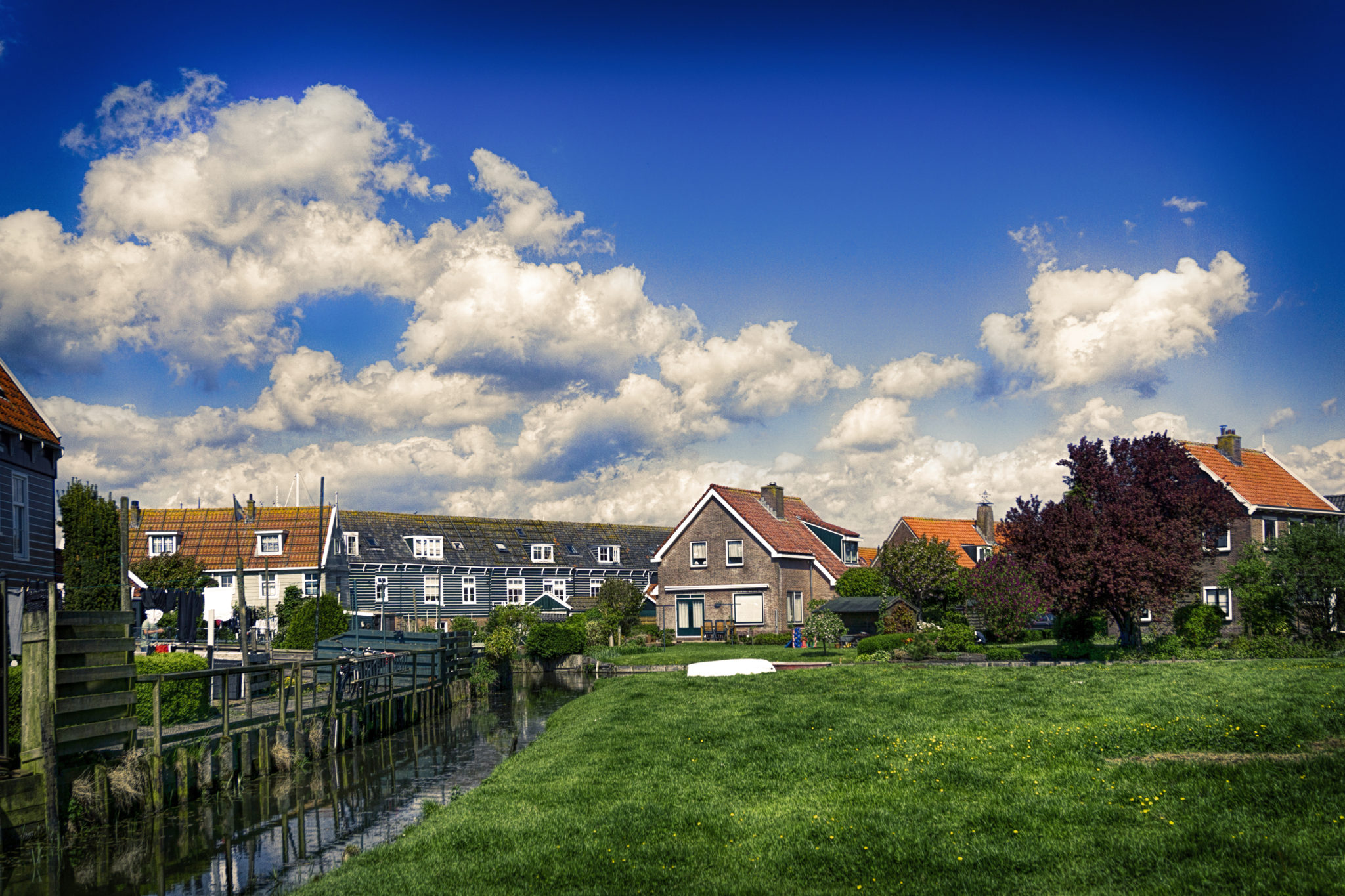

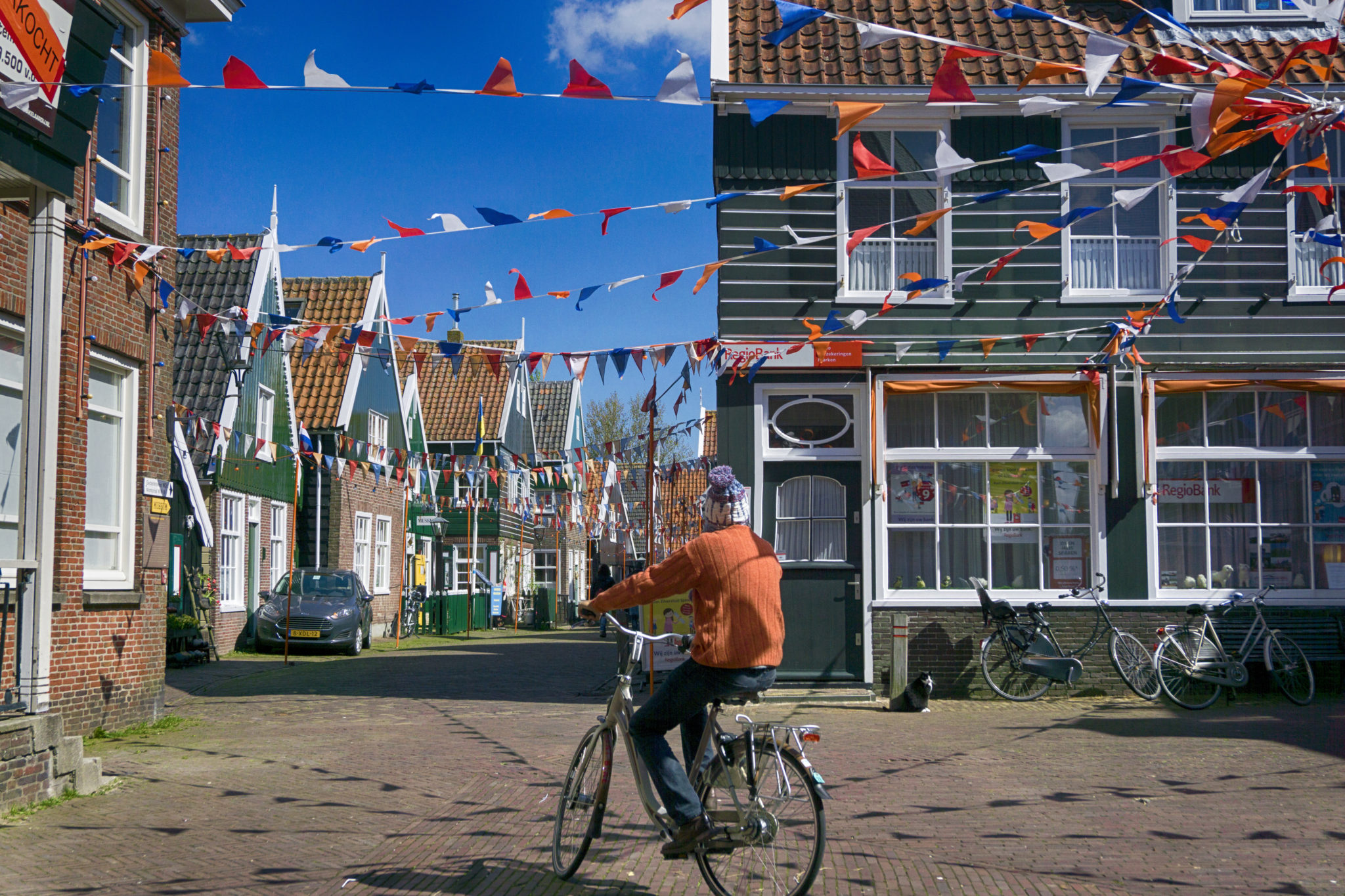

While you may not encounter too many people still dressed in attire that was all the rage in similar fishing communities back in the 19th century, you will find many of its historic homesteads still standing. Upon arrival you’re greeted by a beautiful view of the green wooden houses alongside the harbor. The houses are built on stilts or poles, or clustered on the hills so provide protection from fluctuating tides.
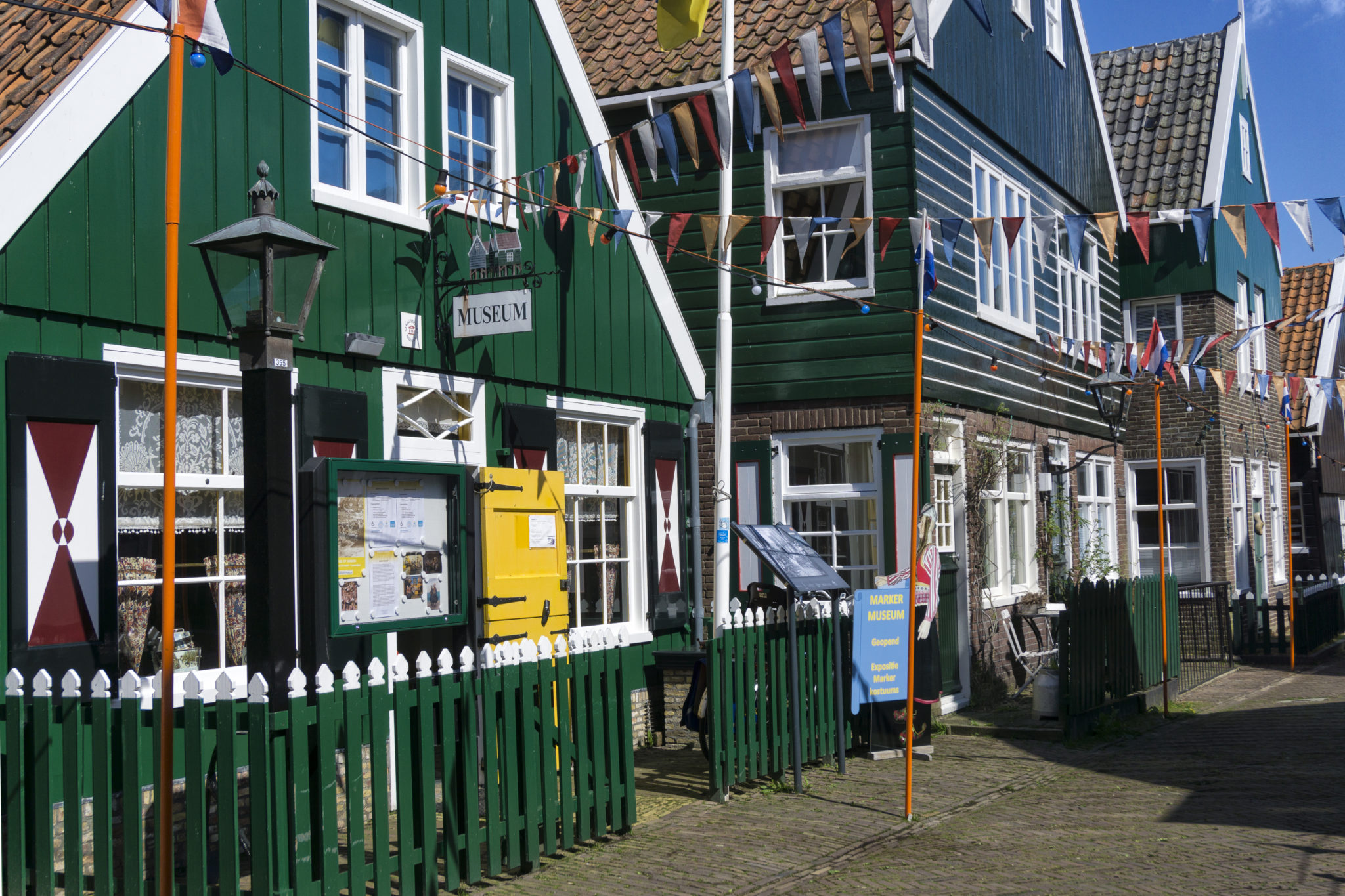
The Marker Museum is located in six historical fisherman´s houses in Marken´s old village center. The museum has partly maintained the original lay-out of the simple dwellings and is furnished the way in which a Marker fishing family lived until about 1932.

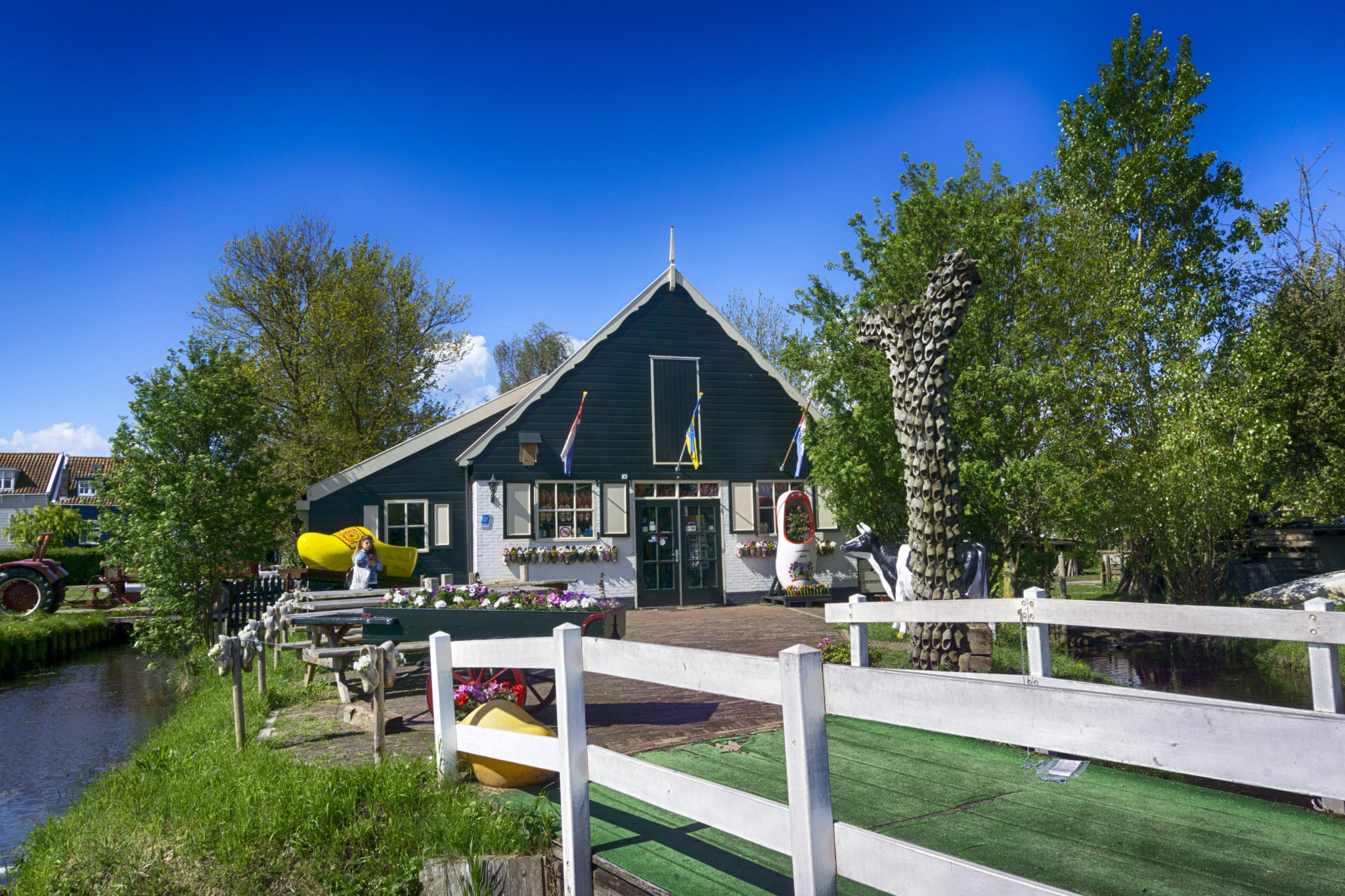

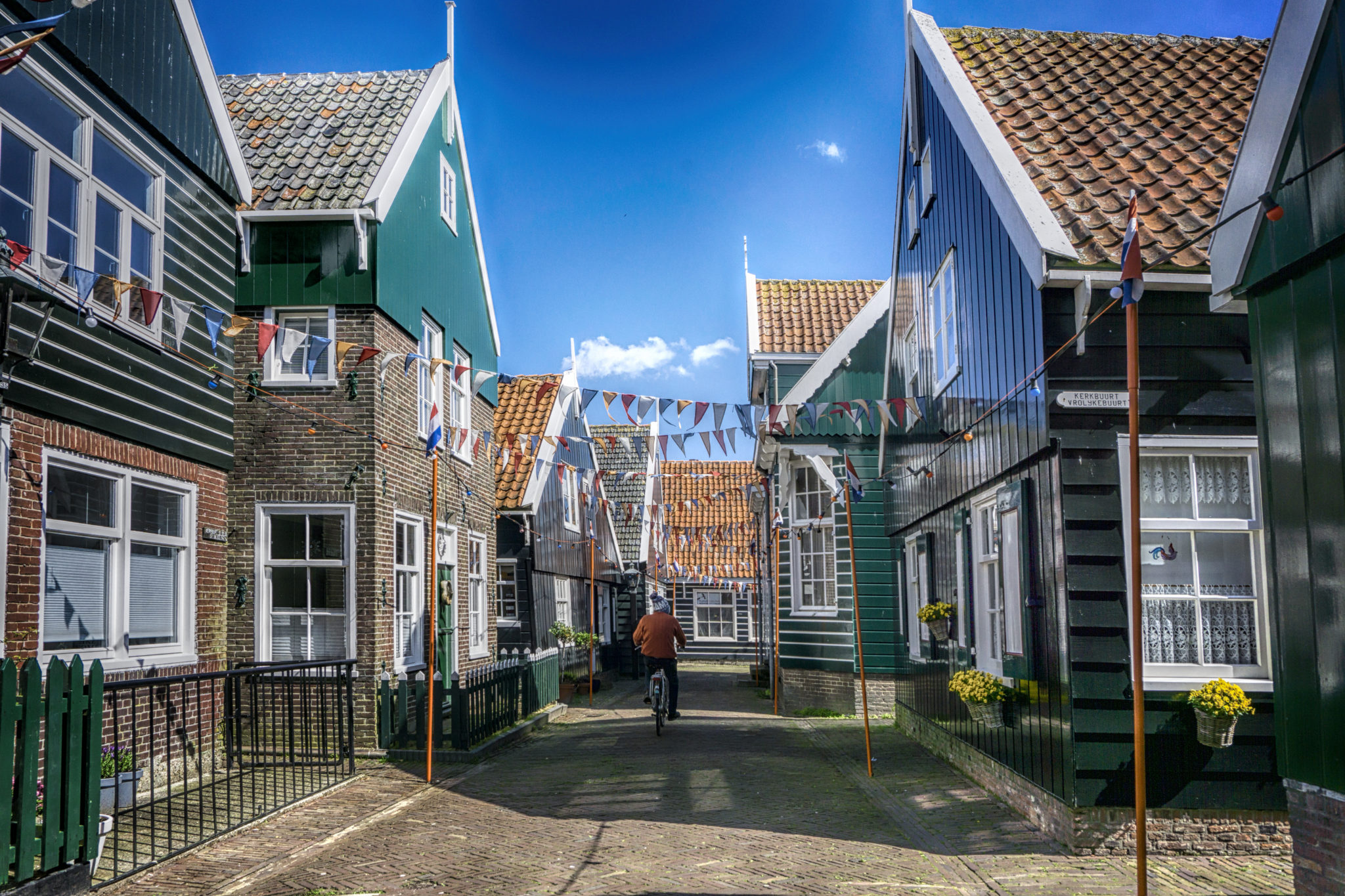

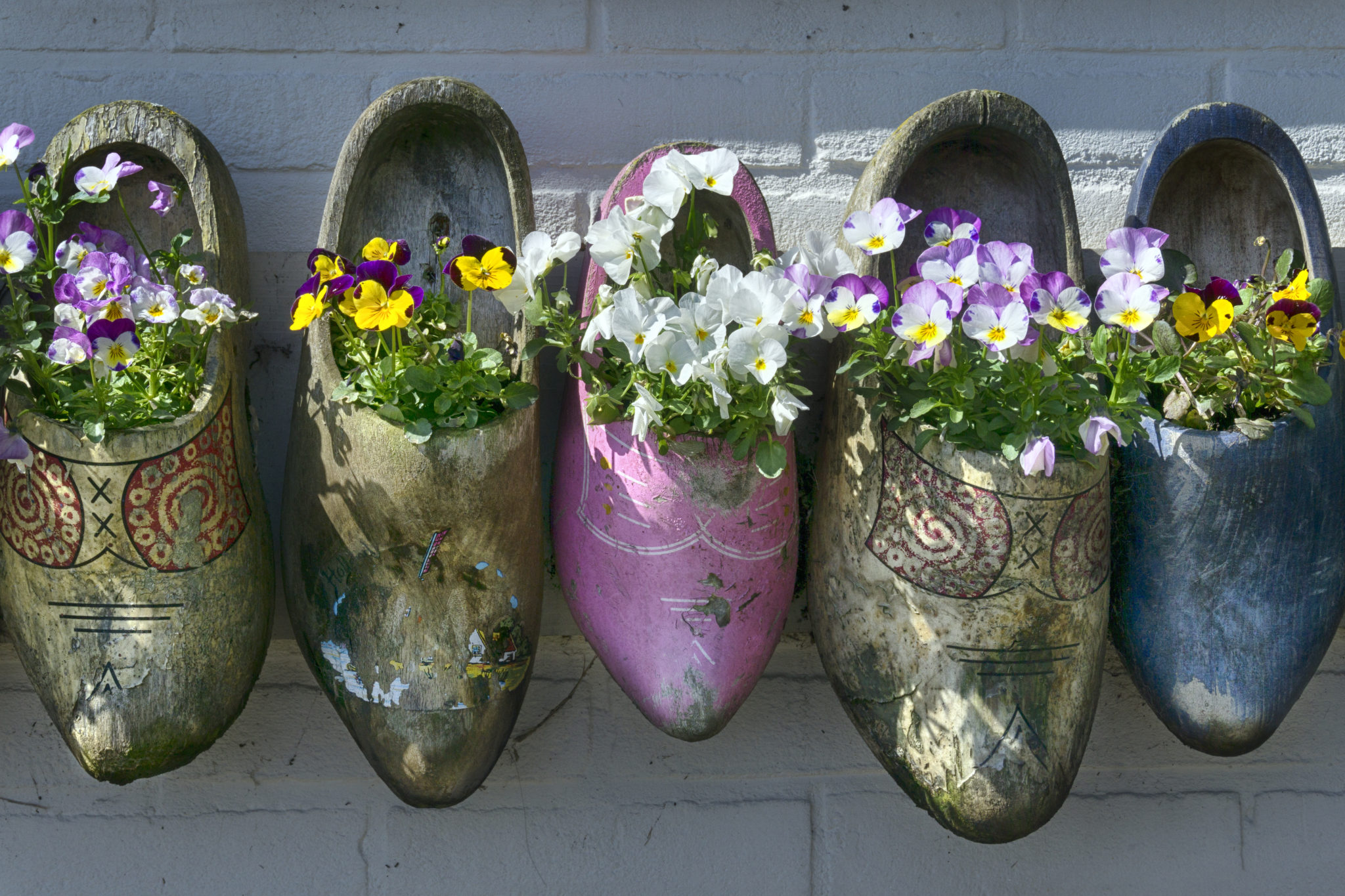

When you pay a visit to the former island of Marken, you definitely should visit the wooden shoe factory. The wooden shoe factory is located next to the parking place which is only a 5 minutes’ walk from the harbor. At the wooden shoe factory an enthusiastic clog maker will give you a demonstration of how a simple block of wood magically transforms into a wooden shoe. A visit (including demonstration) to the wooden shoe factory is free of charge.

WATERLAND- Theetuin Overleek
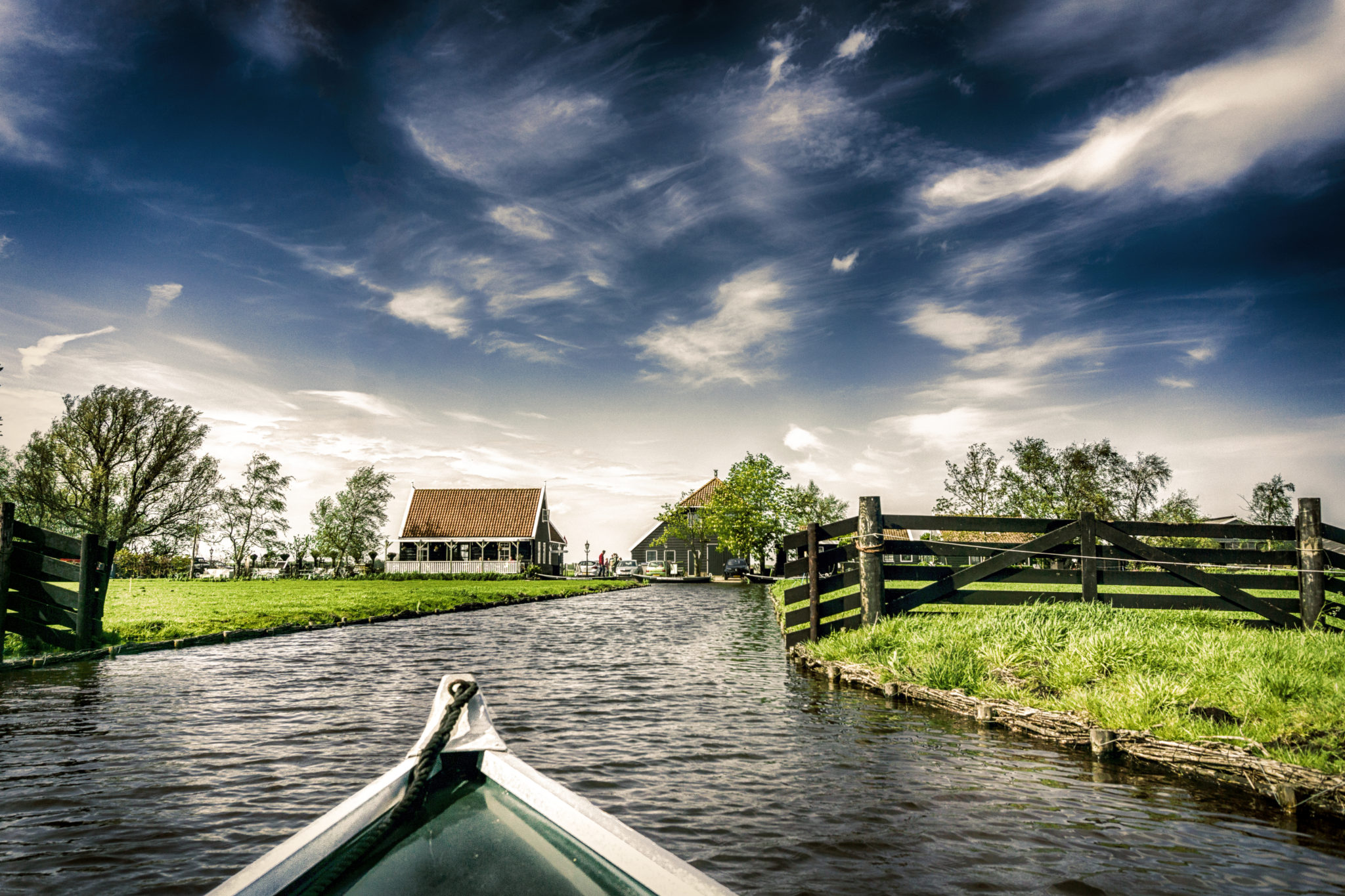

Step into one of an electric boats and experience a perfect day out. The tea house and boat rental is located right in the middle of Waterland. Exploring this beautiful area by boat is the best thing to do as most of Waterland consists of water.
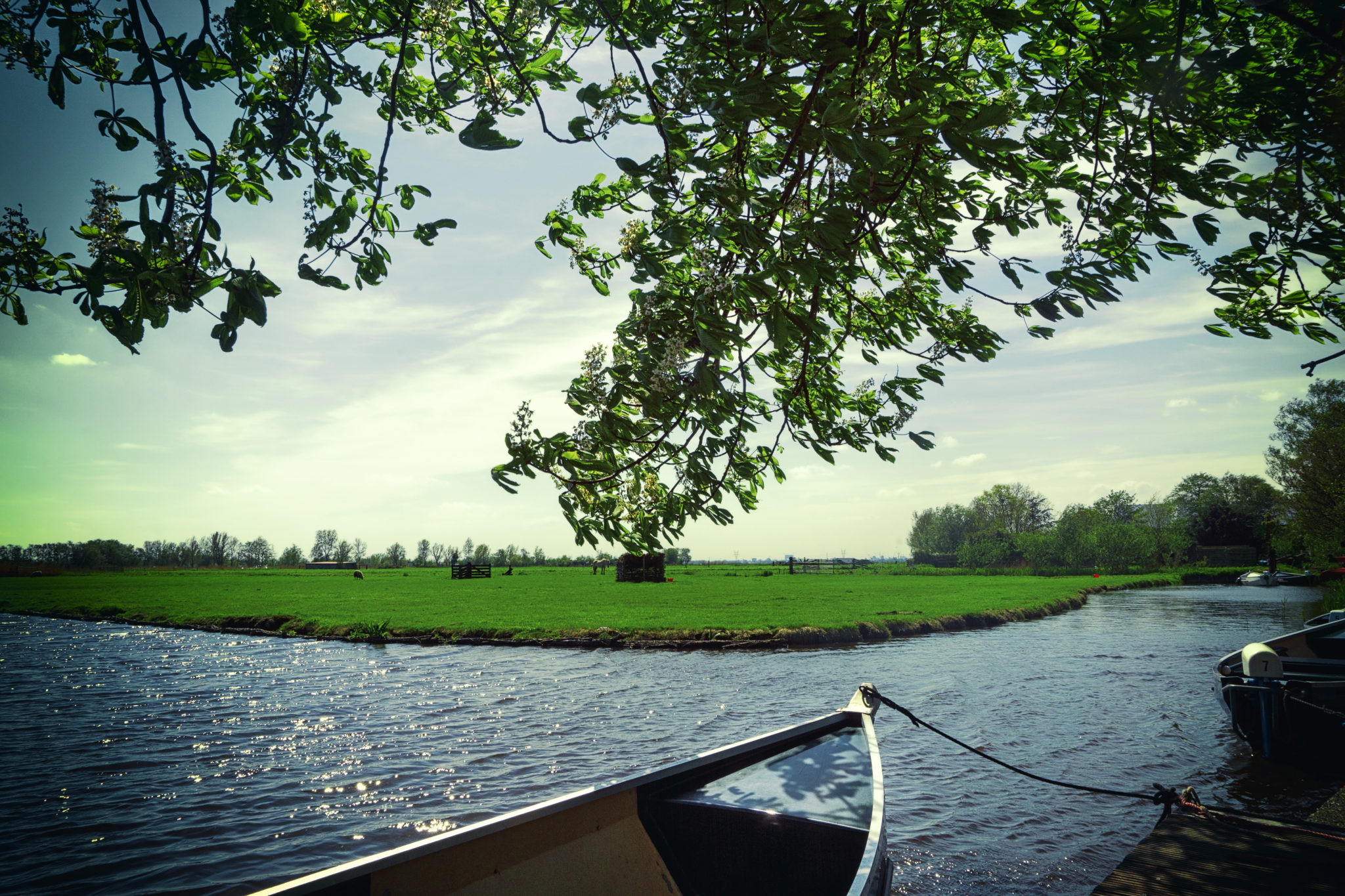

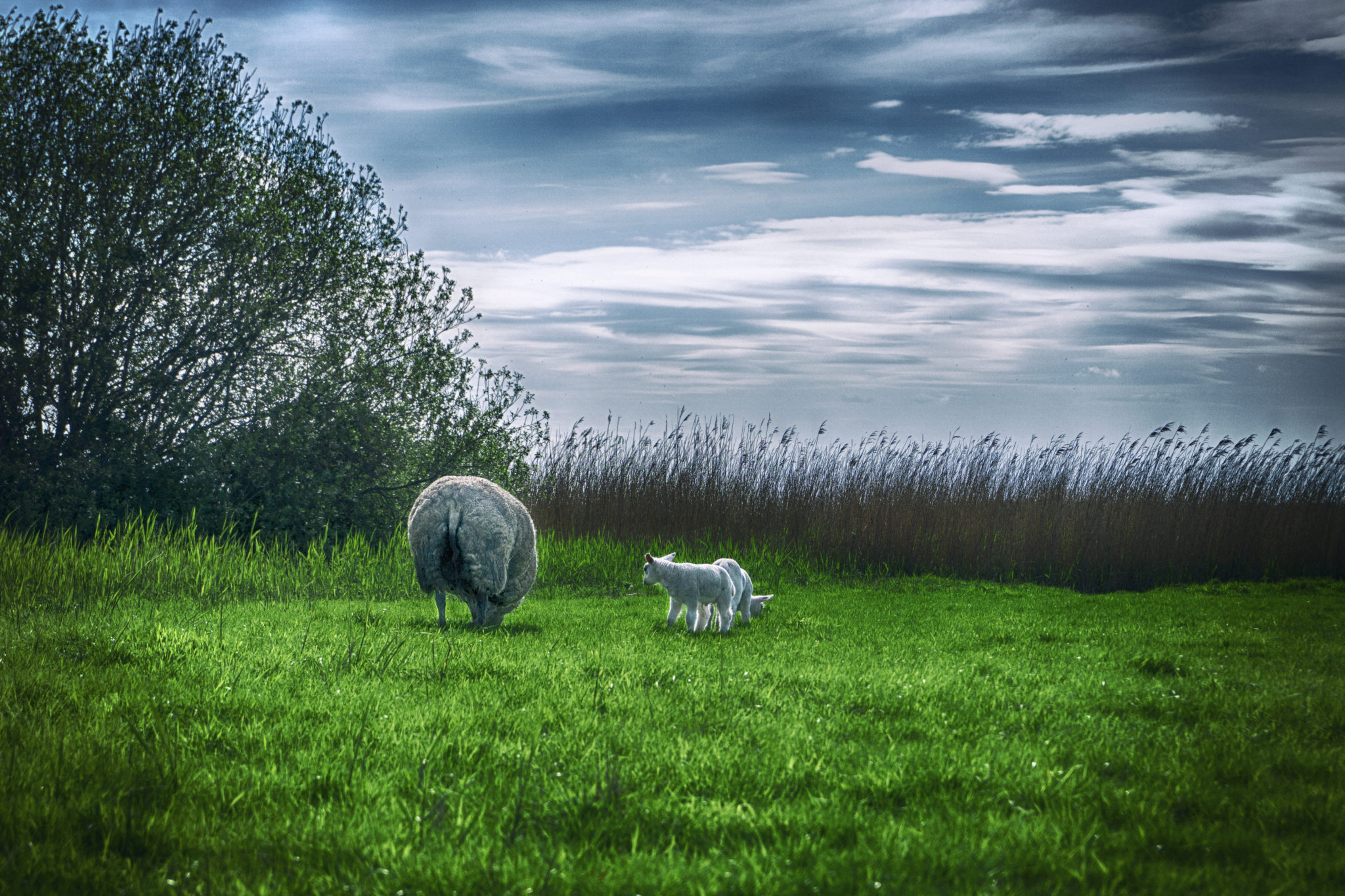

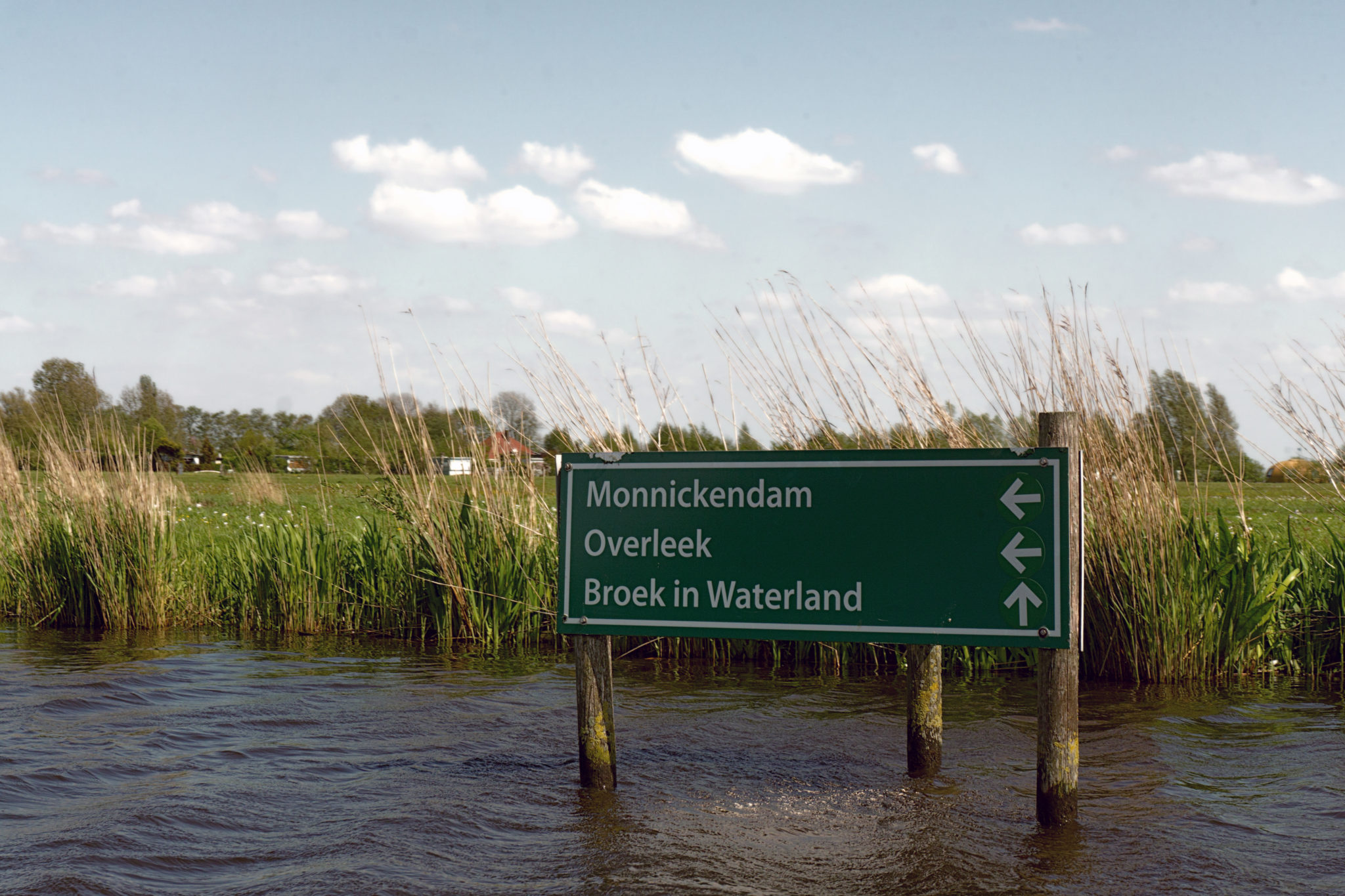

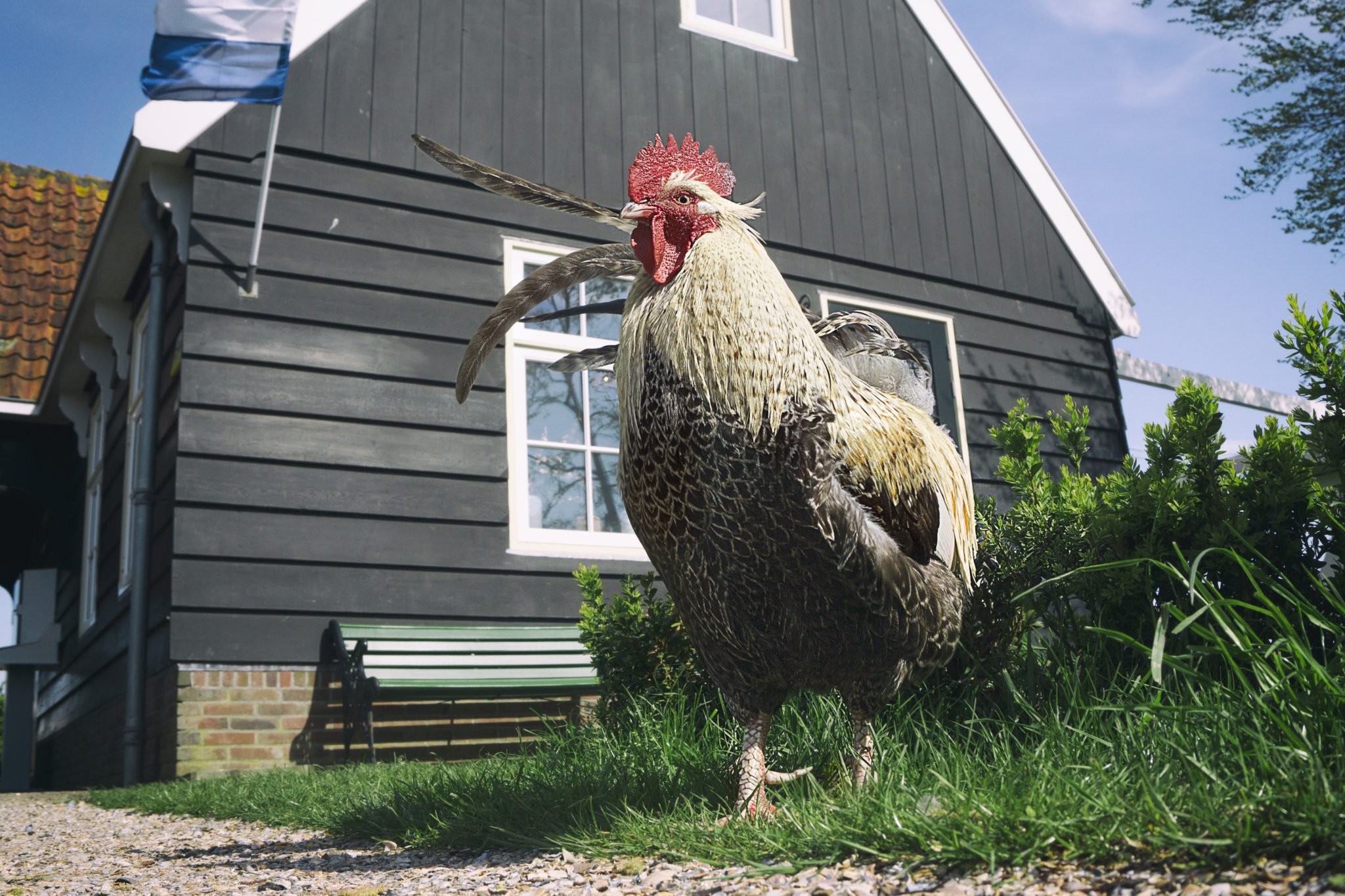

Small canals will lead you past green fields, to small lakes and old villages.
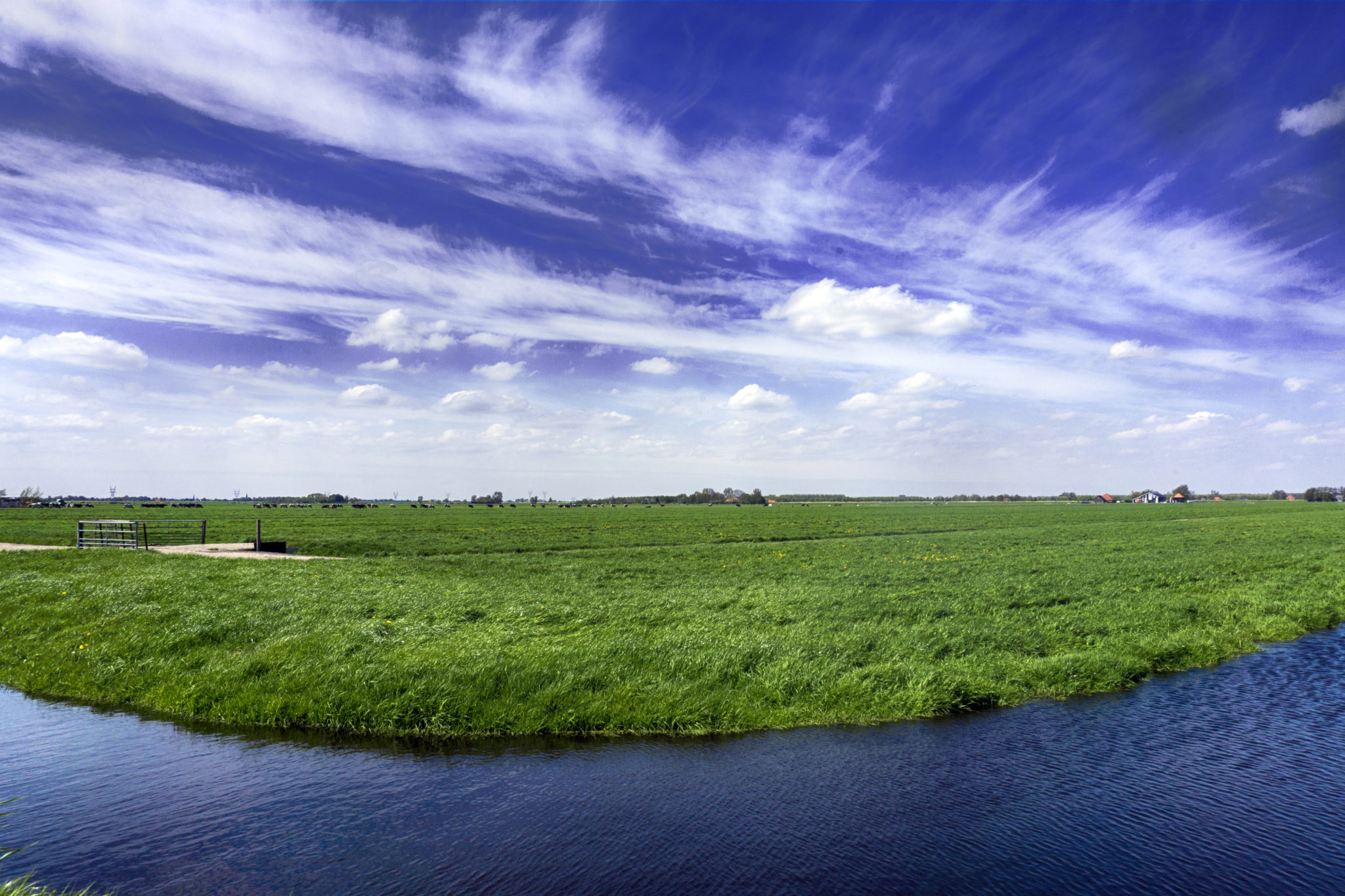

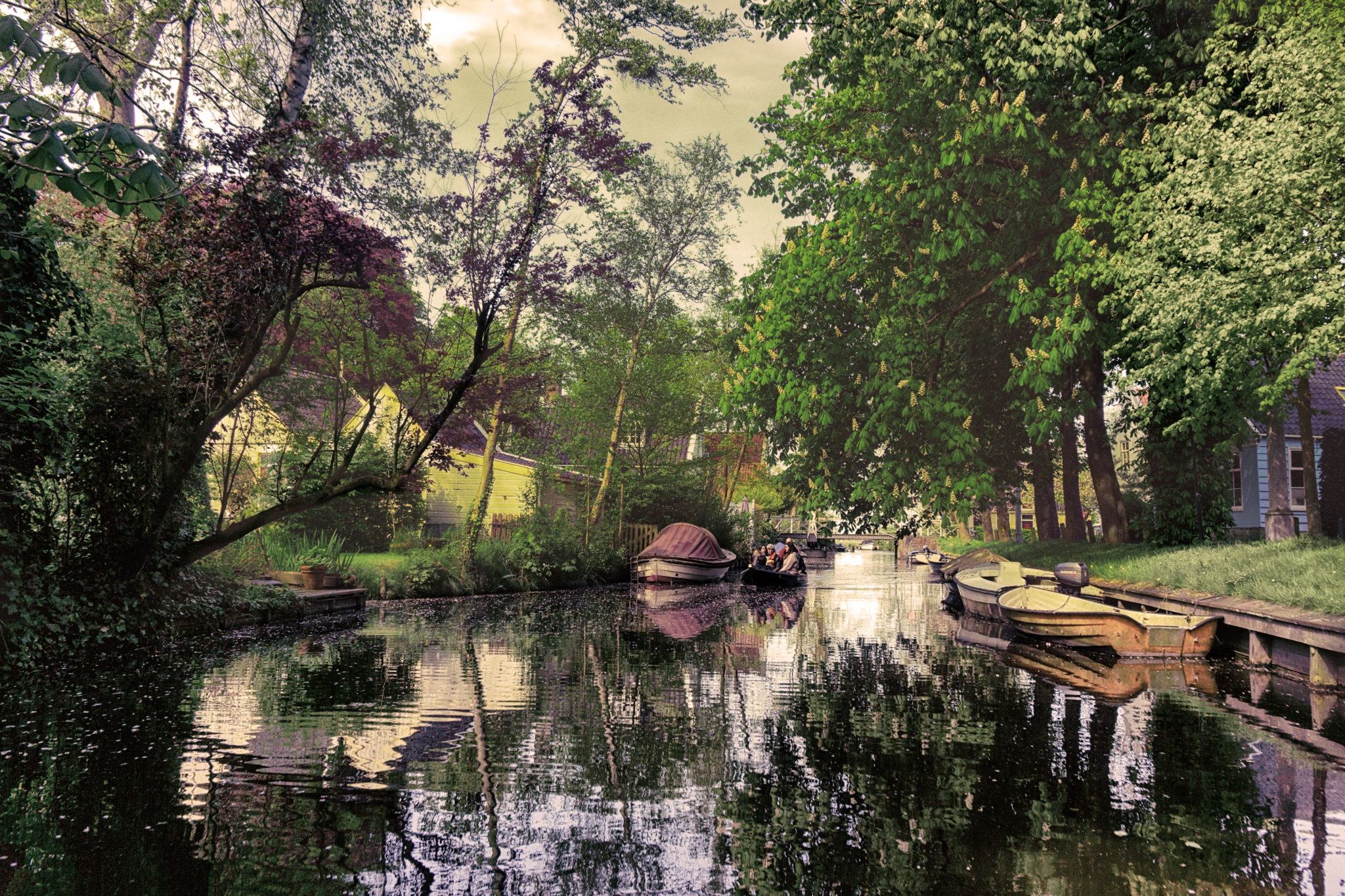

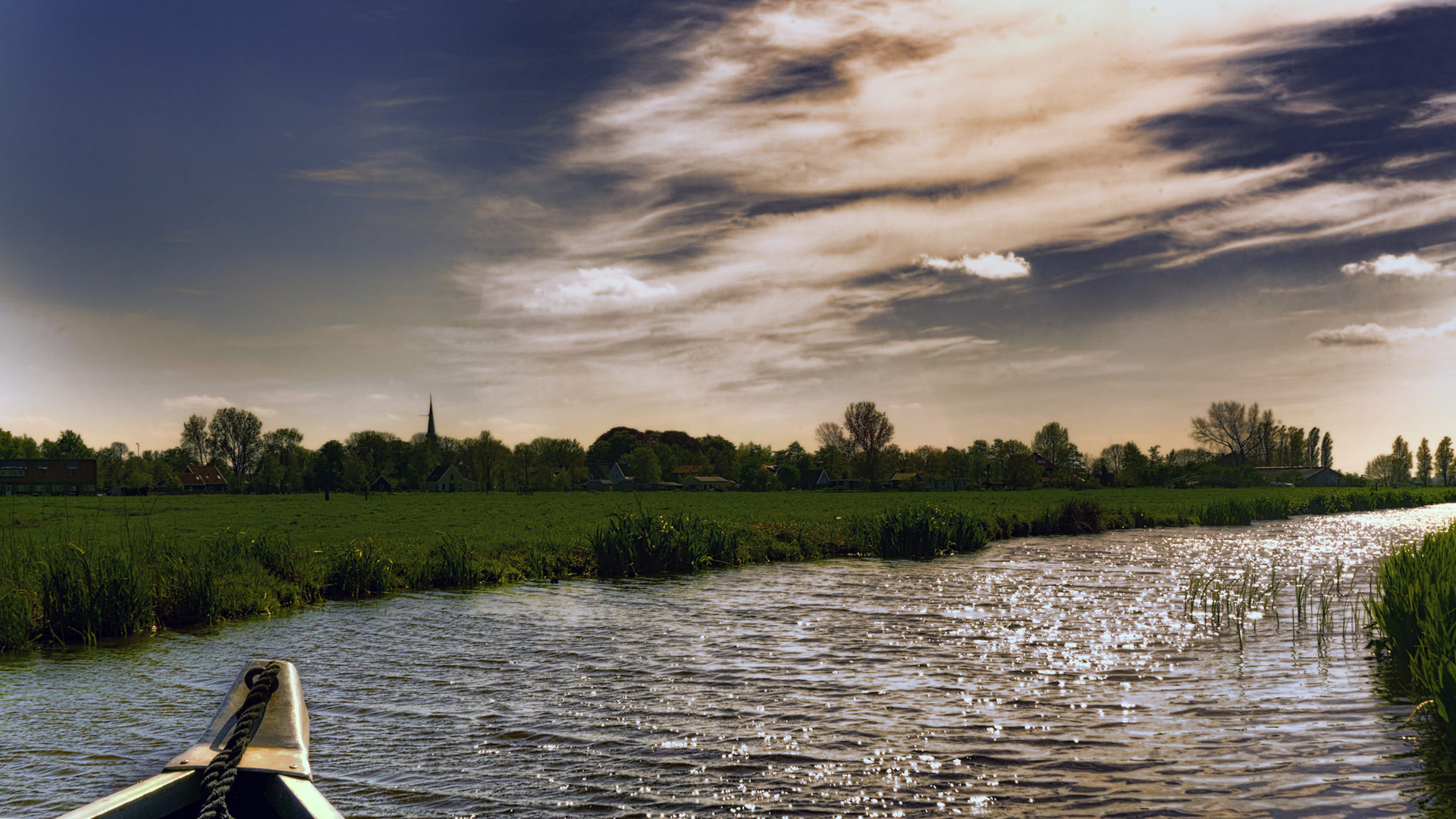

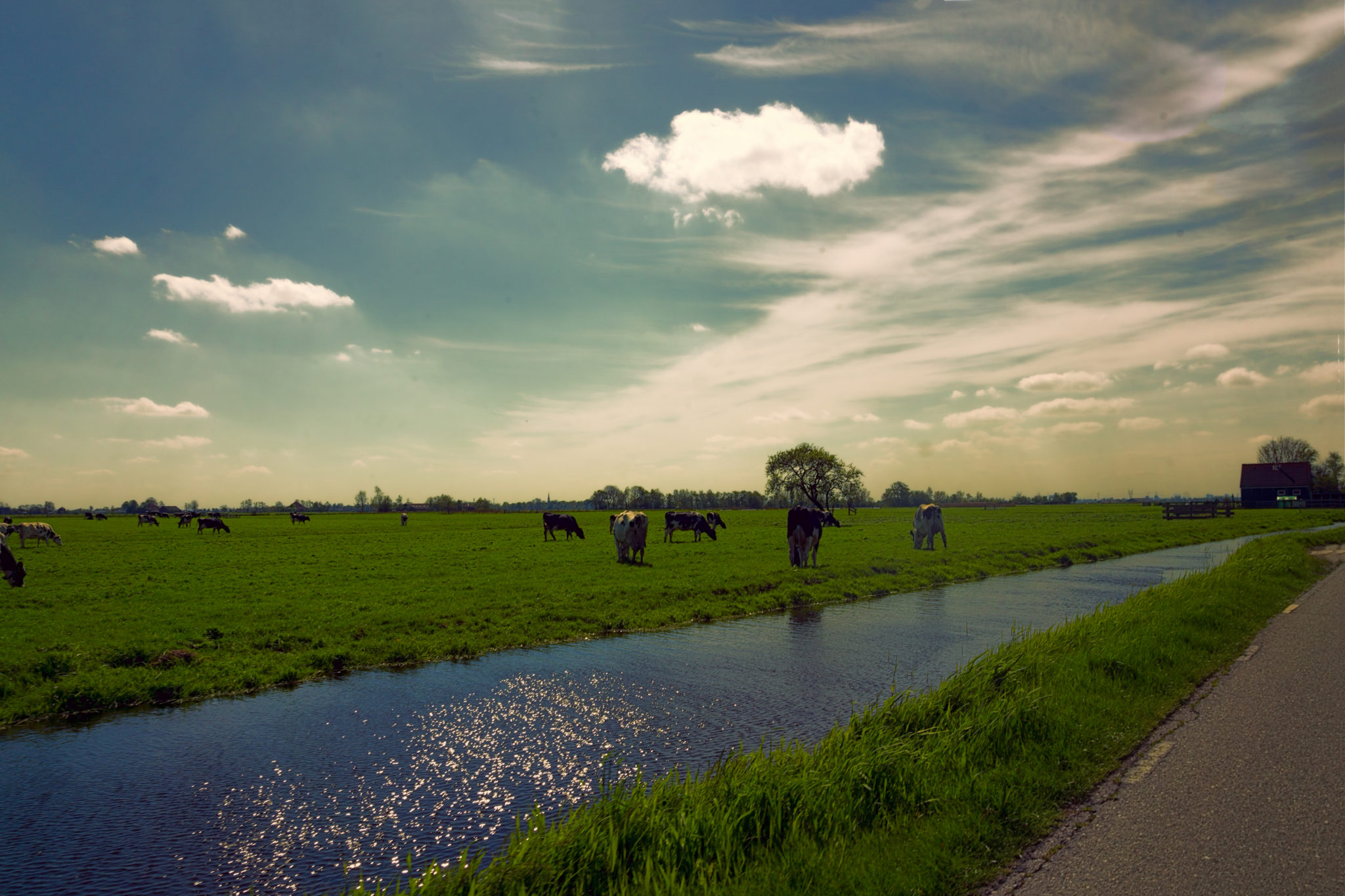

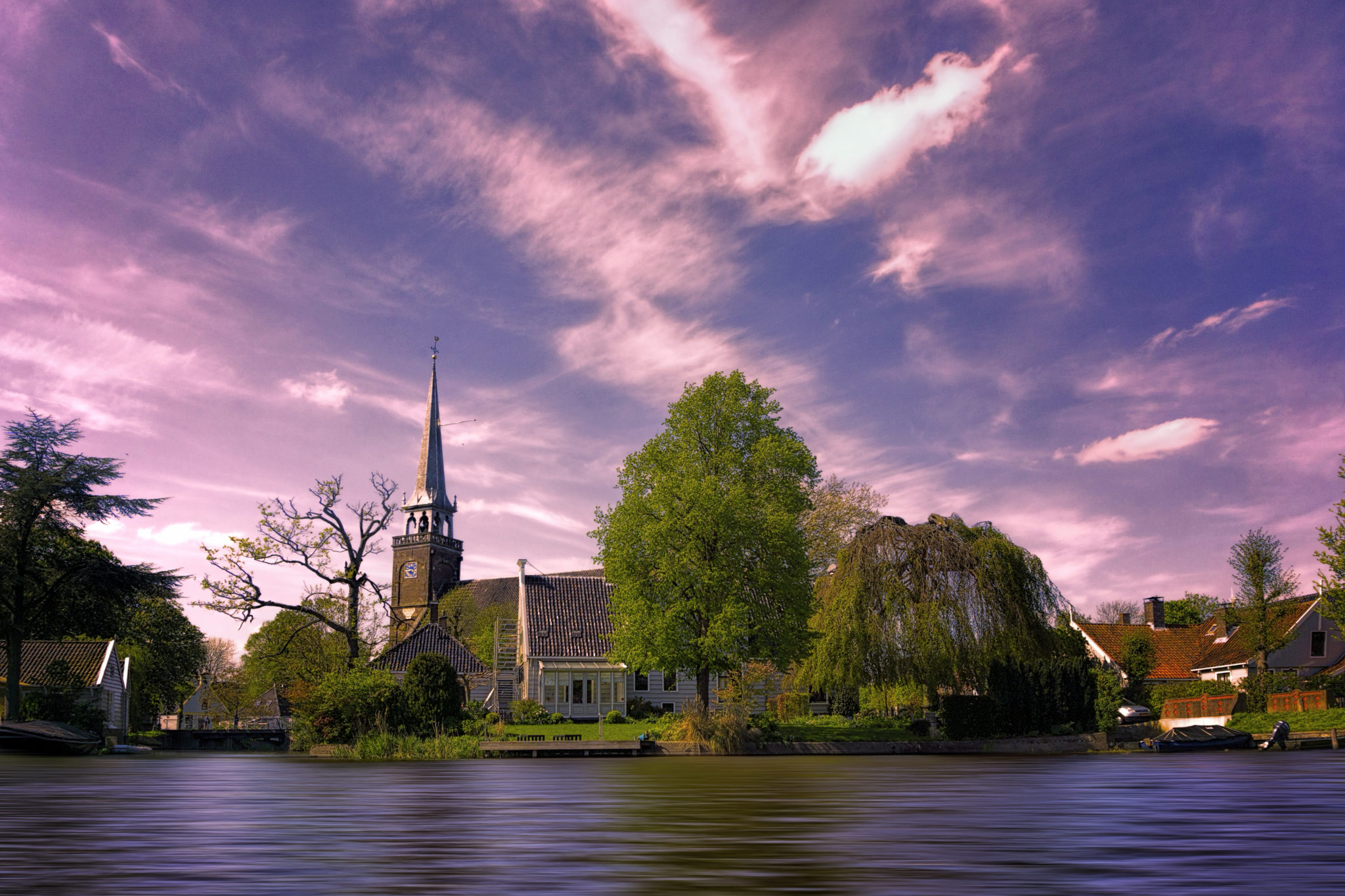

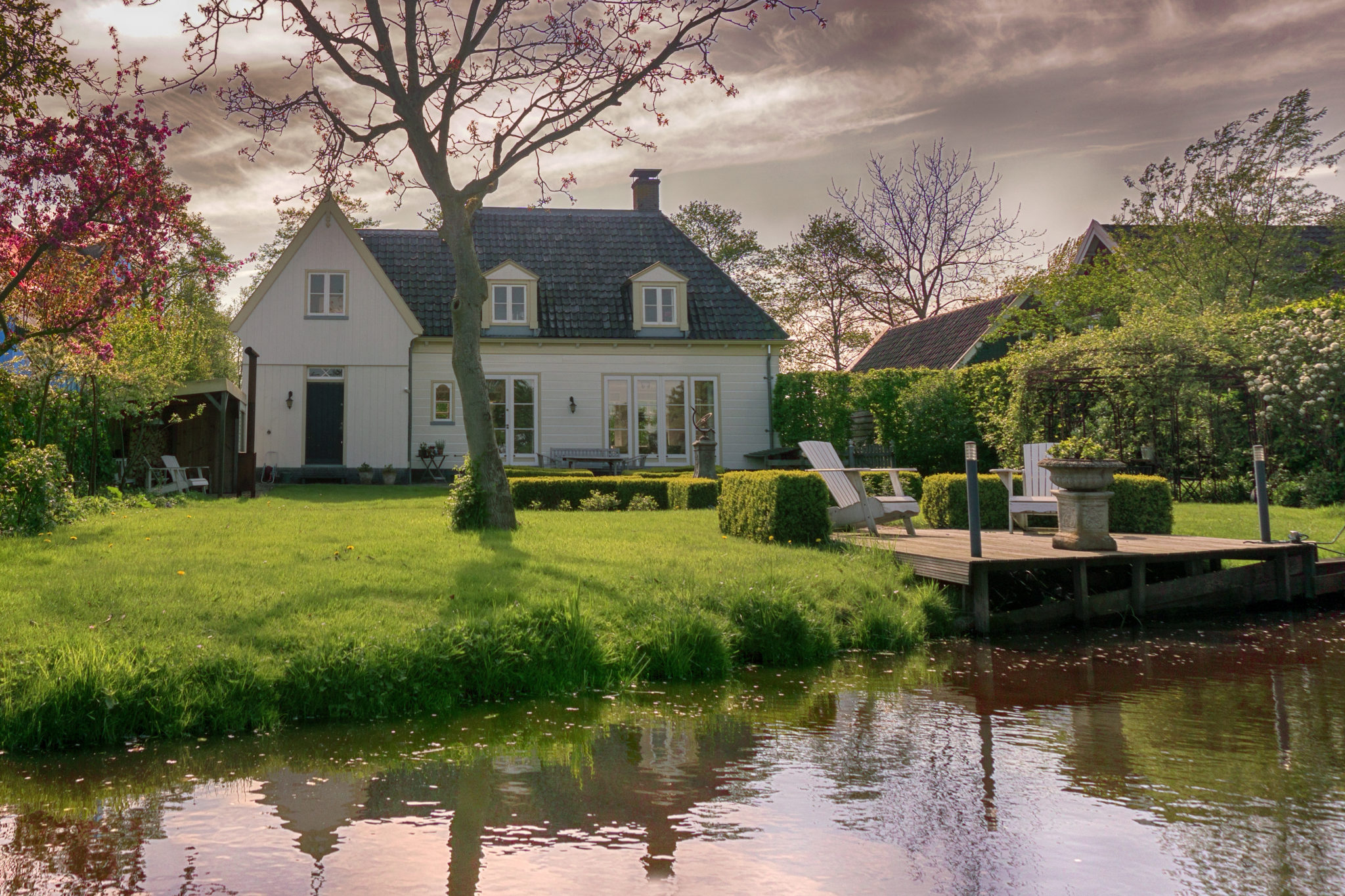

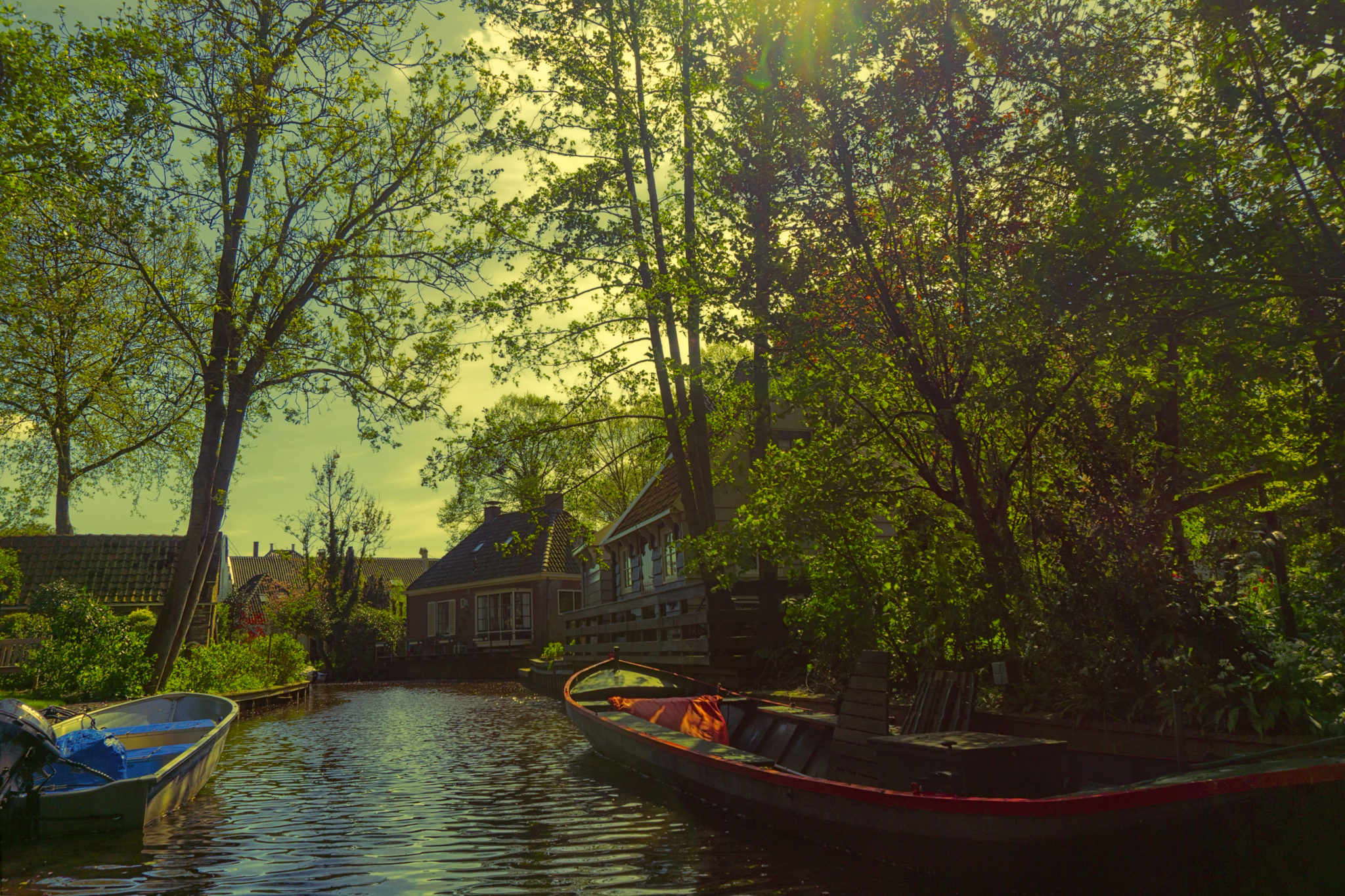
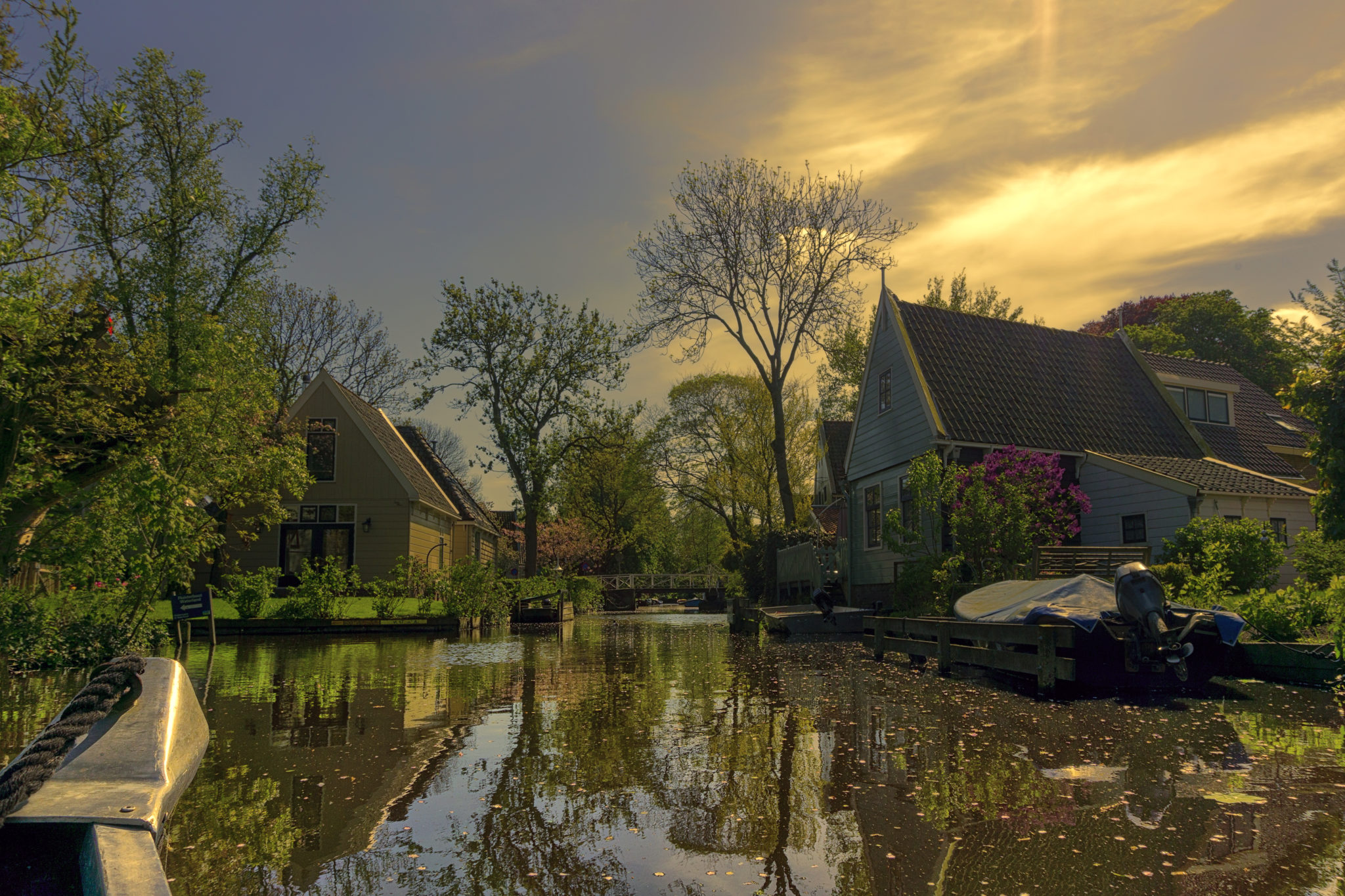
Βoat right through picturesque Broek in Waterland and admire the famous wooden houses.


3rd day: Amsterdam
(Edam to Amsterdam, 25 kilometers cycling)
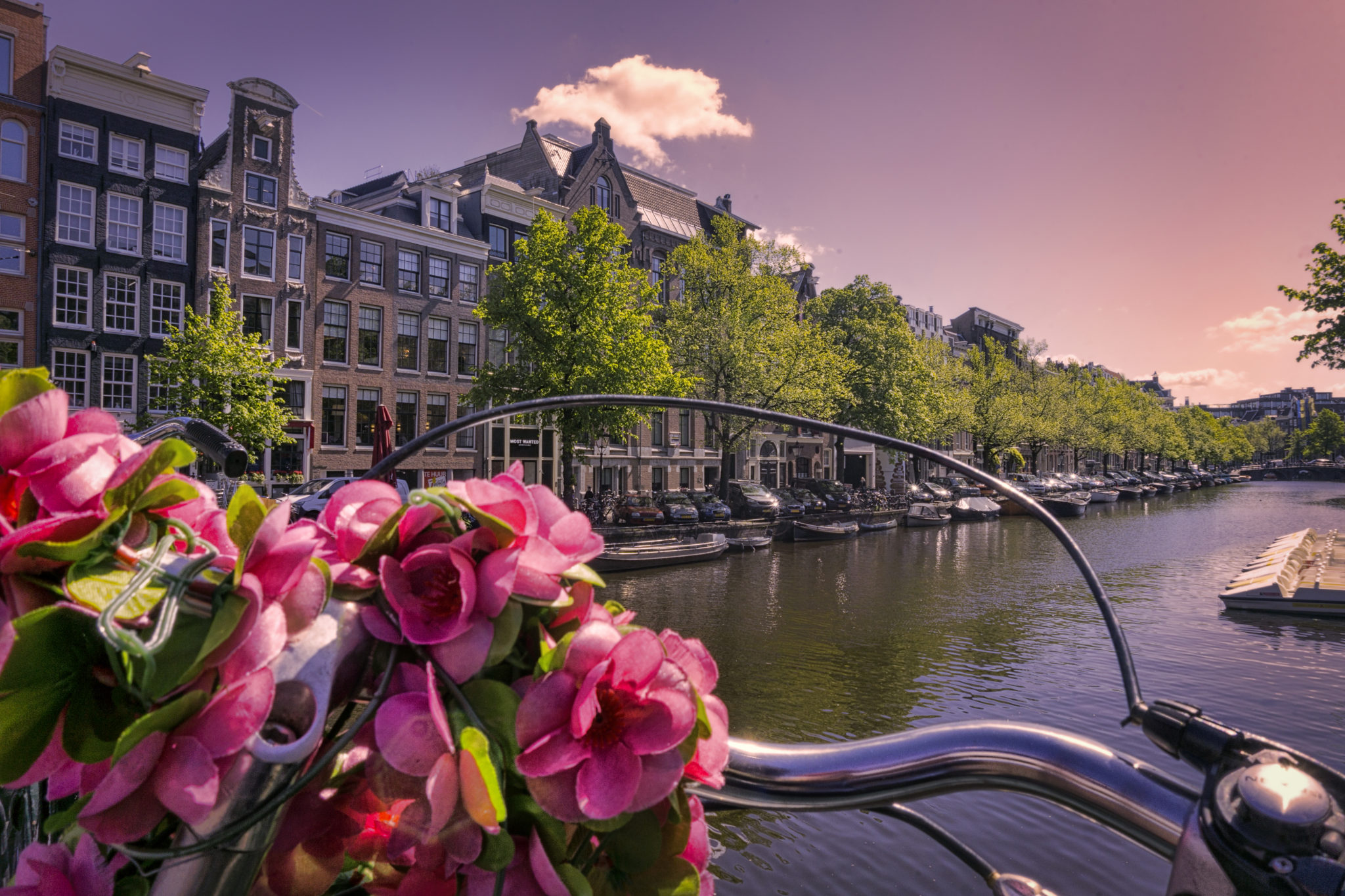

From its humble beginnings as a 13th-century fishing village on a river bed to its current role as a major hub for business, tourism and culture, Amsterdam has had a strong tradition as a Center of culture and commerce.
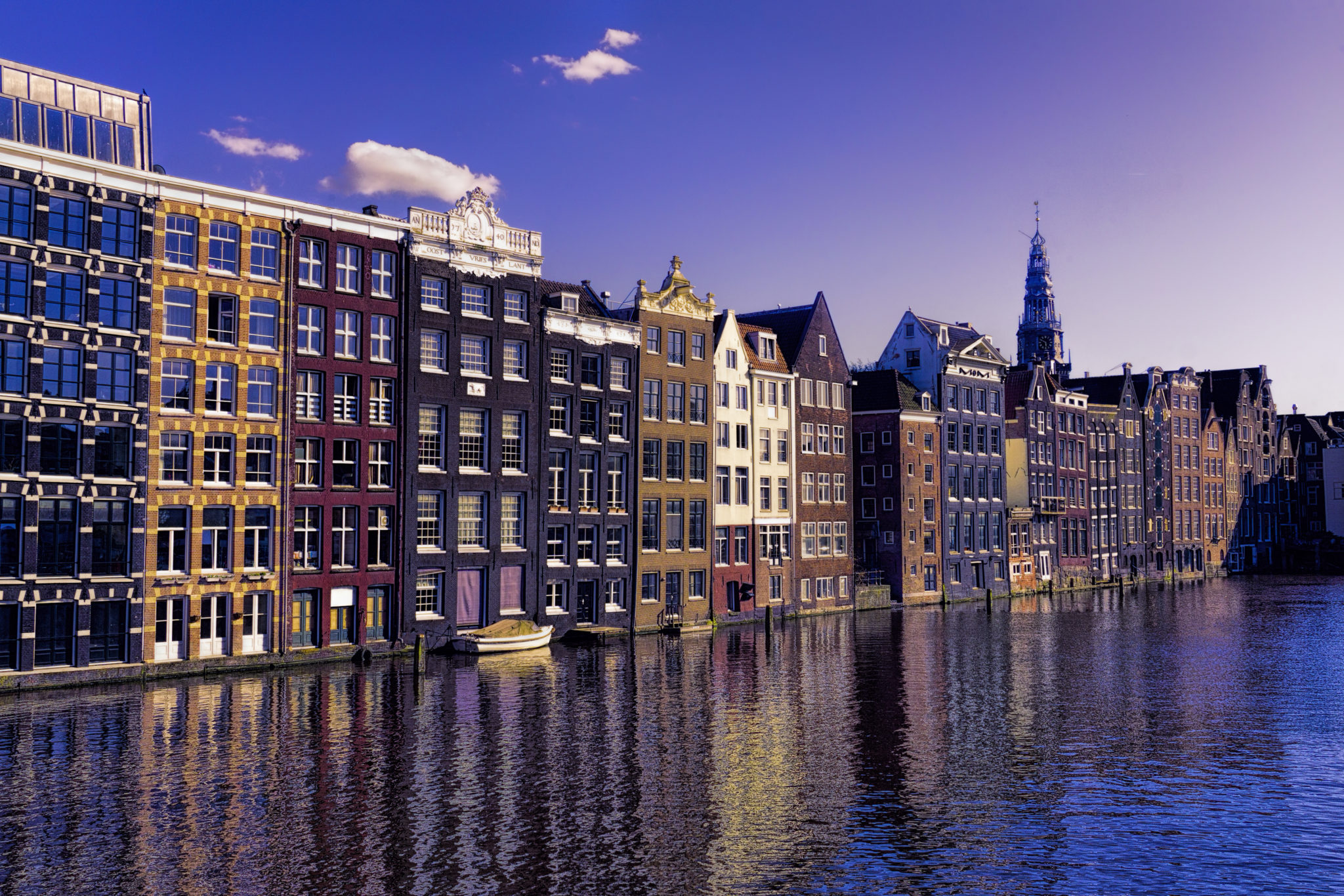

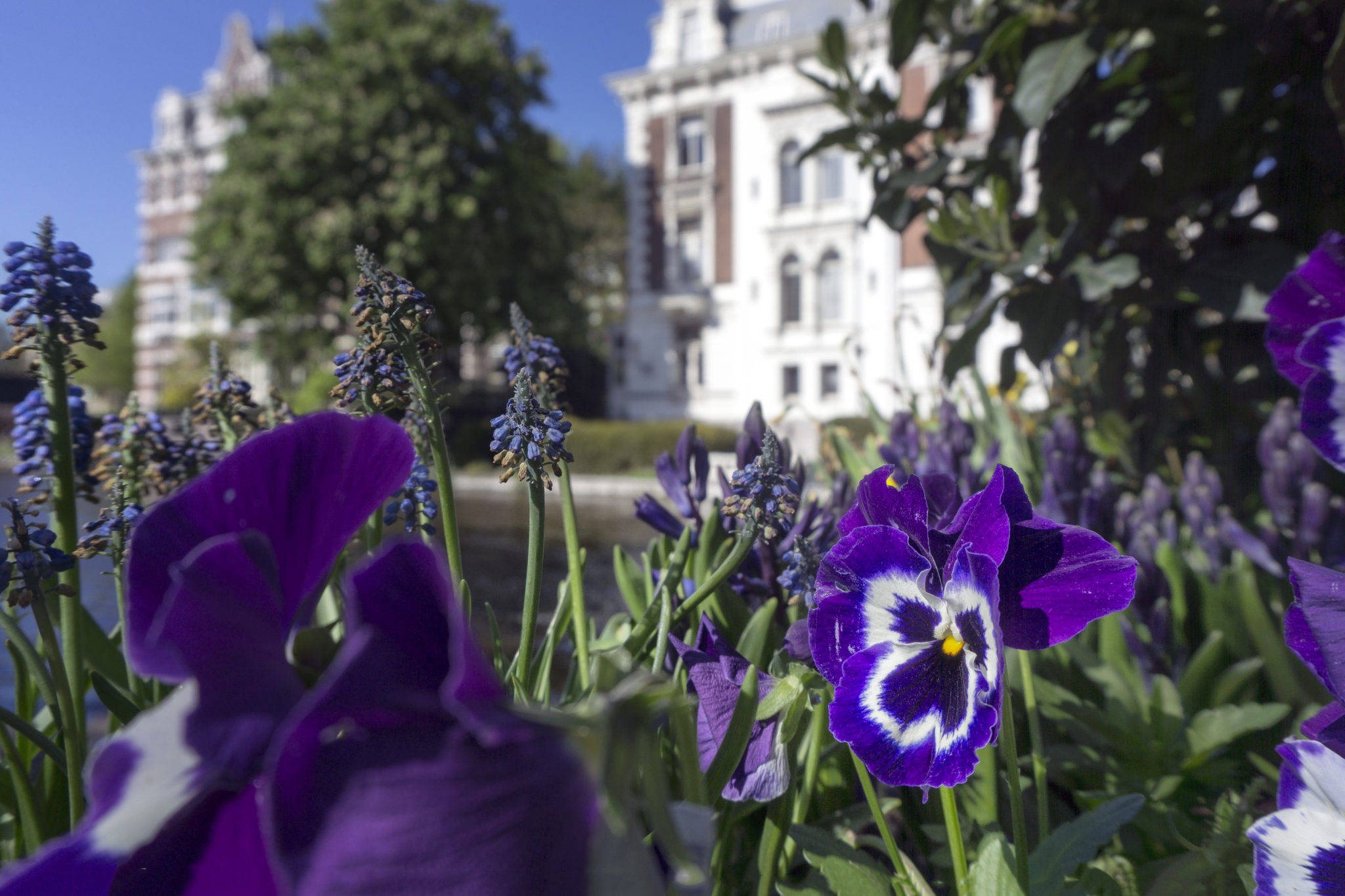

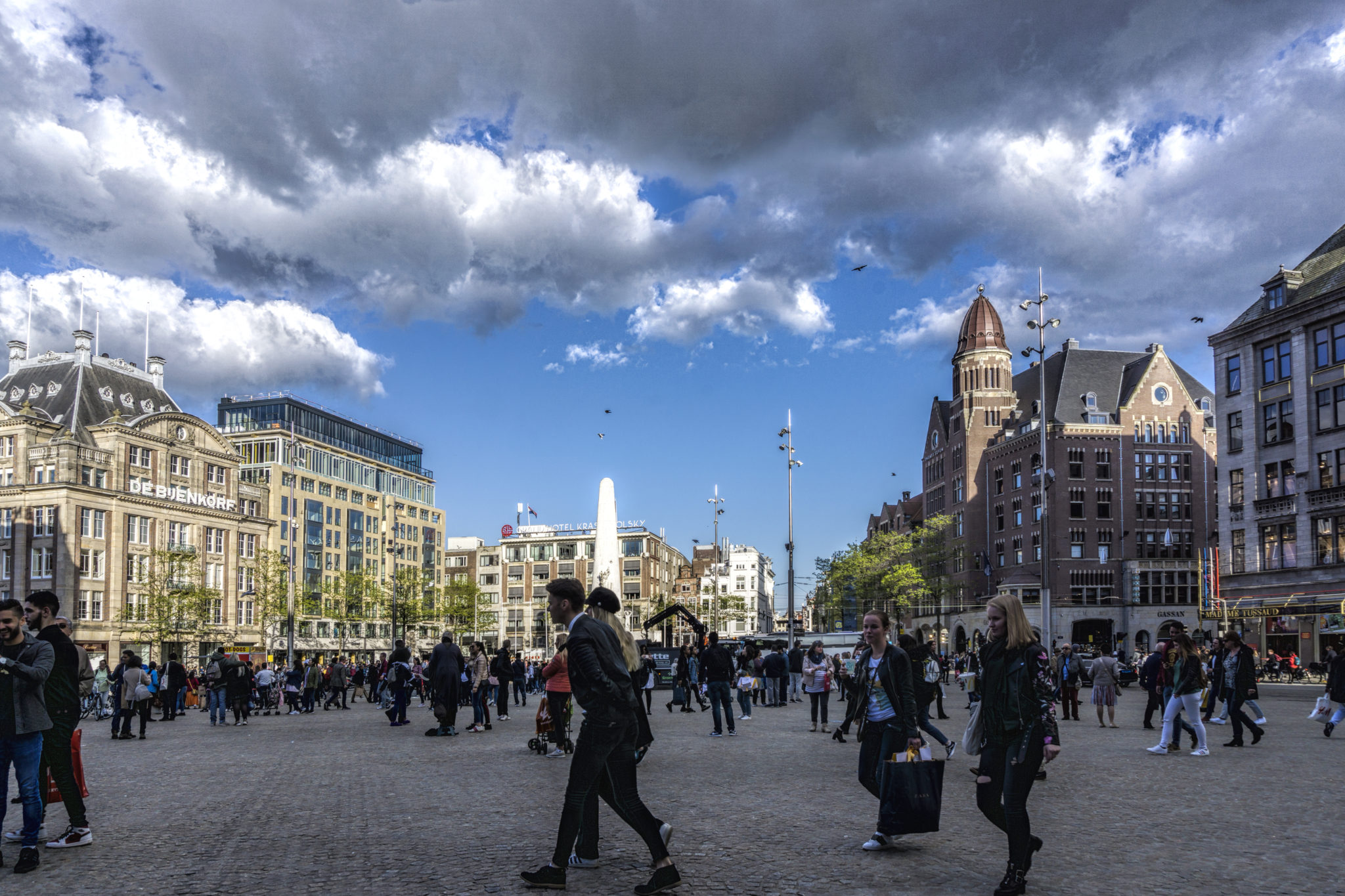

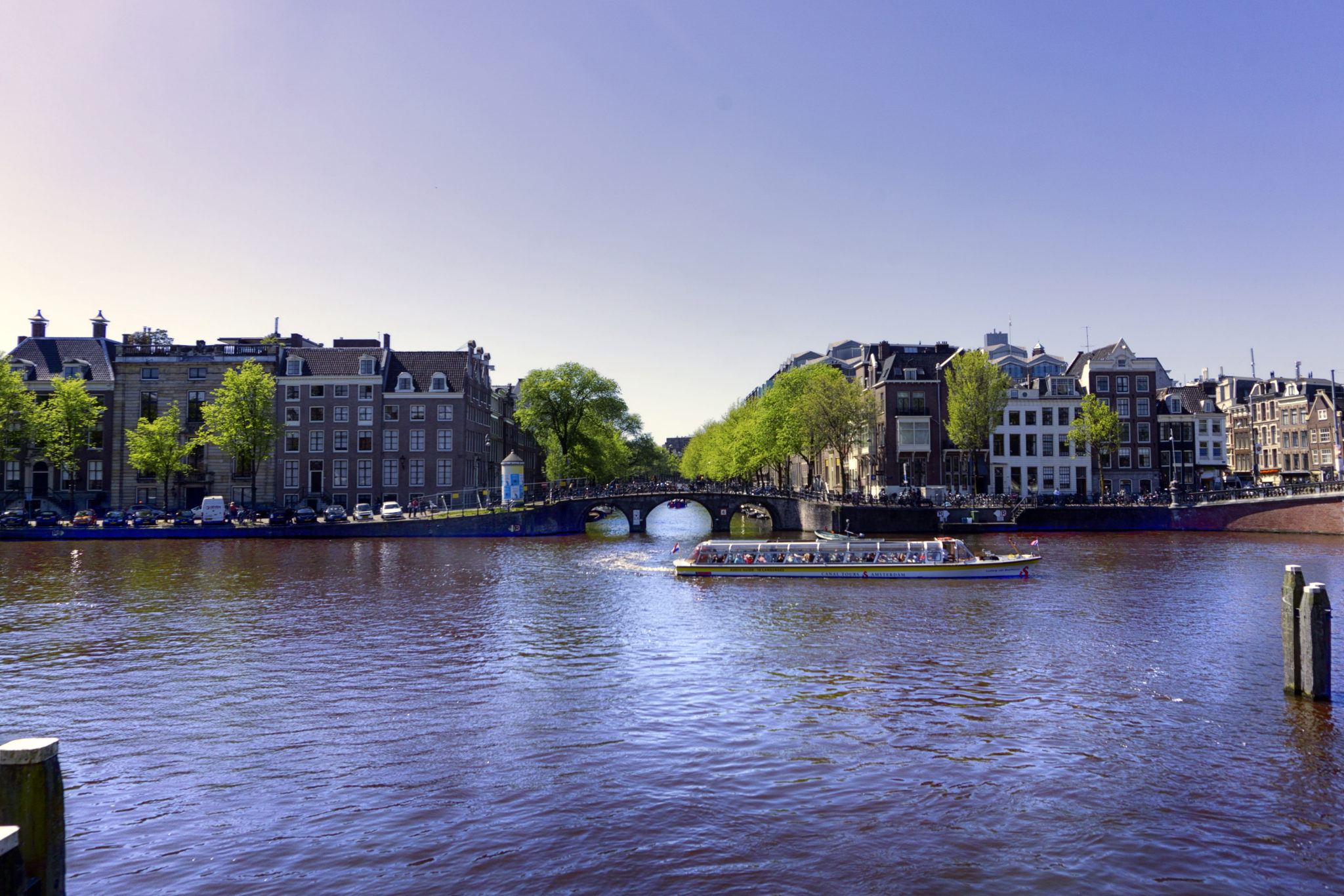

Created in the 17th century to keep the sea at bay, Amsterdam’s UNESCO protected canal belt is the quintessential picture-postcard vision of Amsterdam, and an unbelievably pretty sight by both day and night – when the bridges are lit up by fairy lights and the whole area takes on a magical feel. Floating along the canals by guided boat tour is a great way to get under the fabric of the city, and you’ll learn lots of fascinating facts along the way – such as why the tilting homes along the canals are known as ‘dancing houses’.
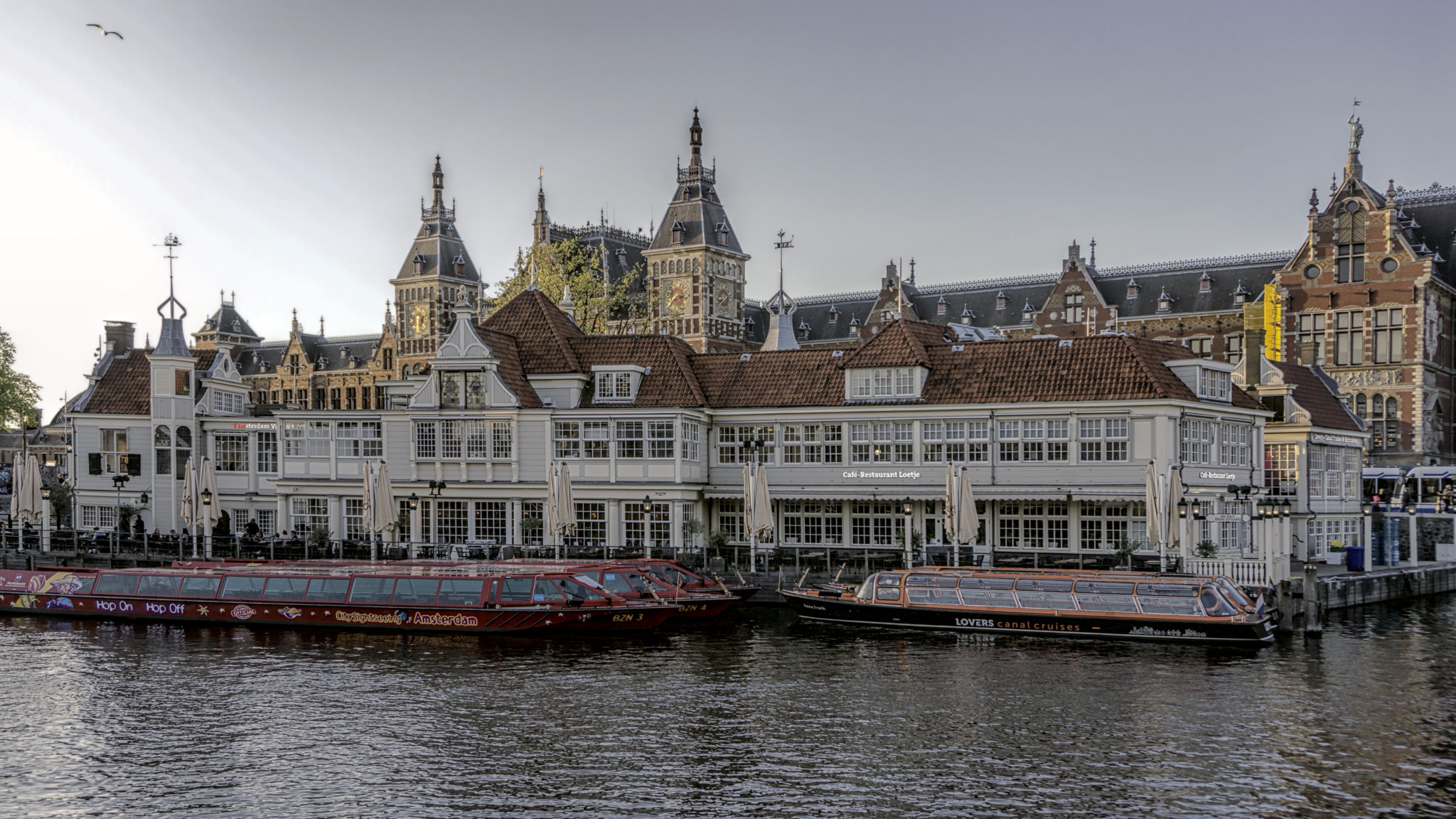

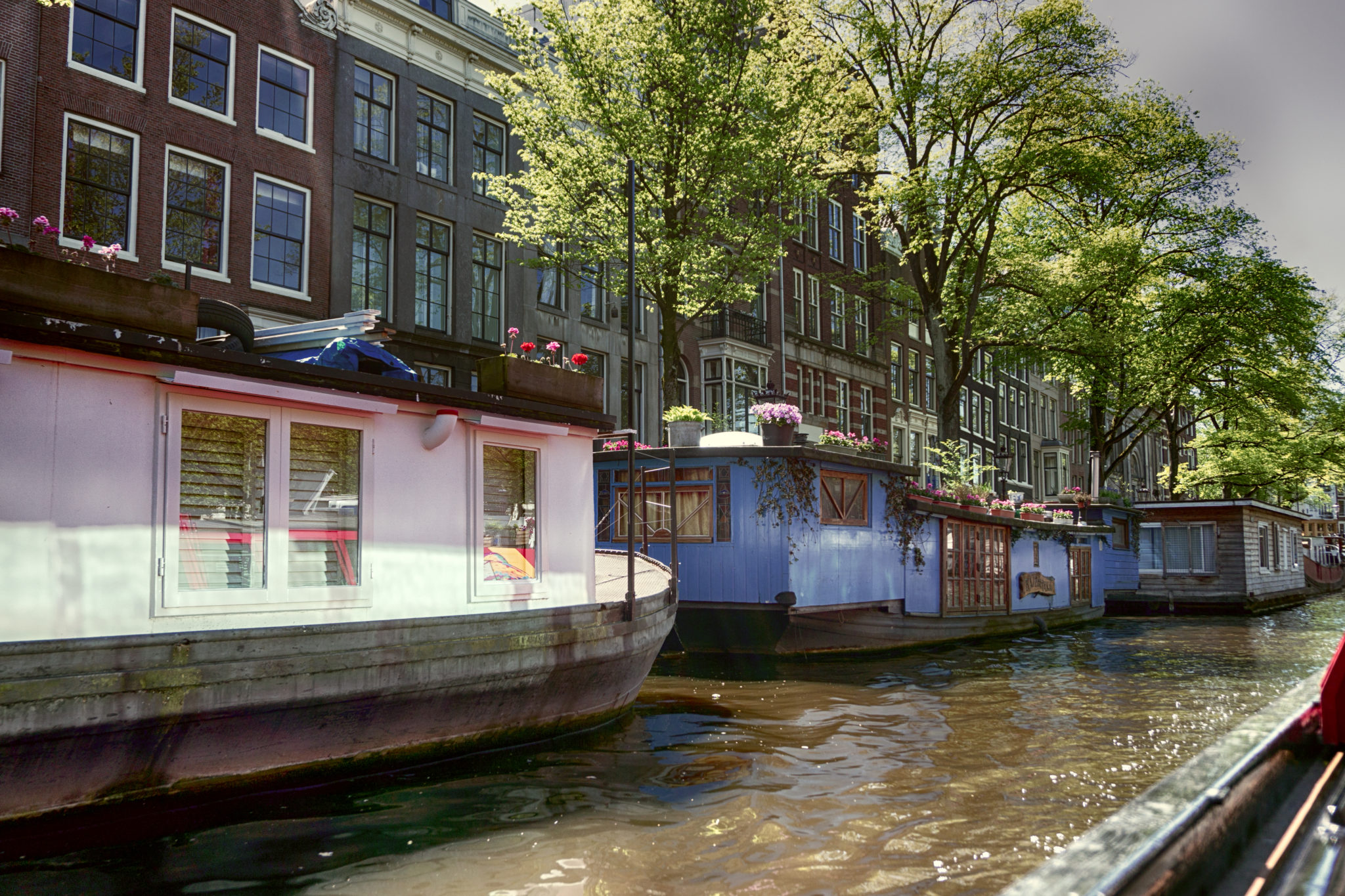


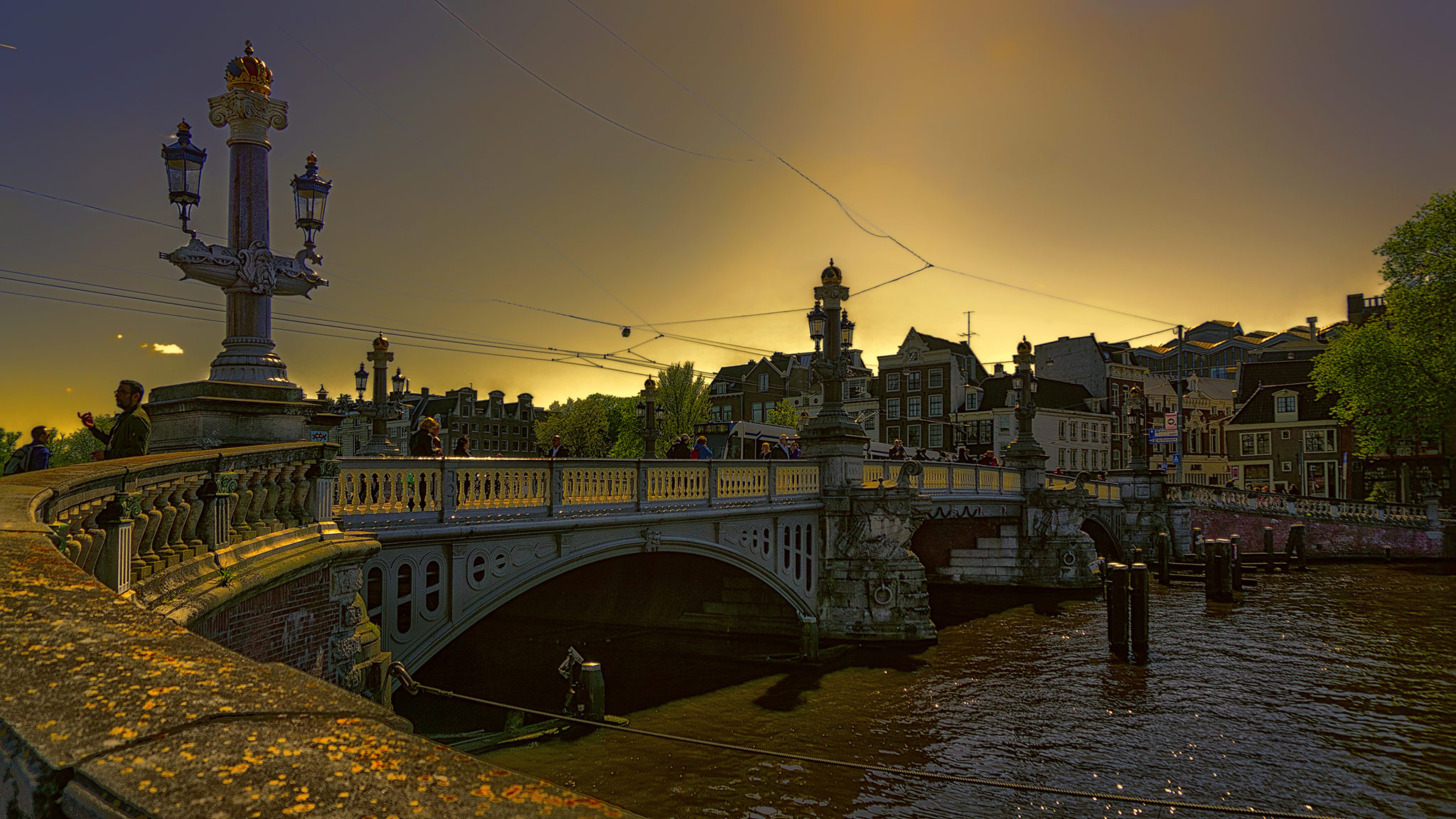

There are many different canal cruises to choose from, from hop-on-hop-off sightseeing tours to atmospheric candlelit night time cruises with food and wine.
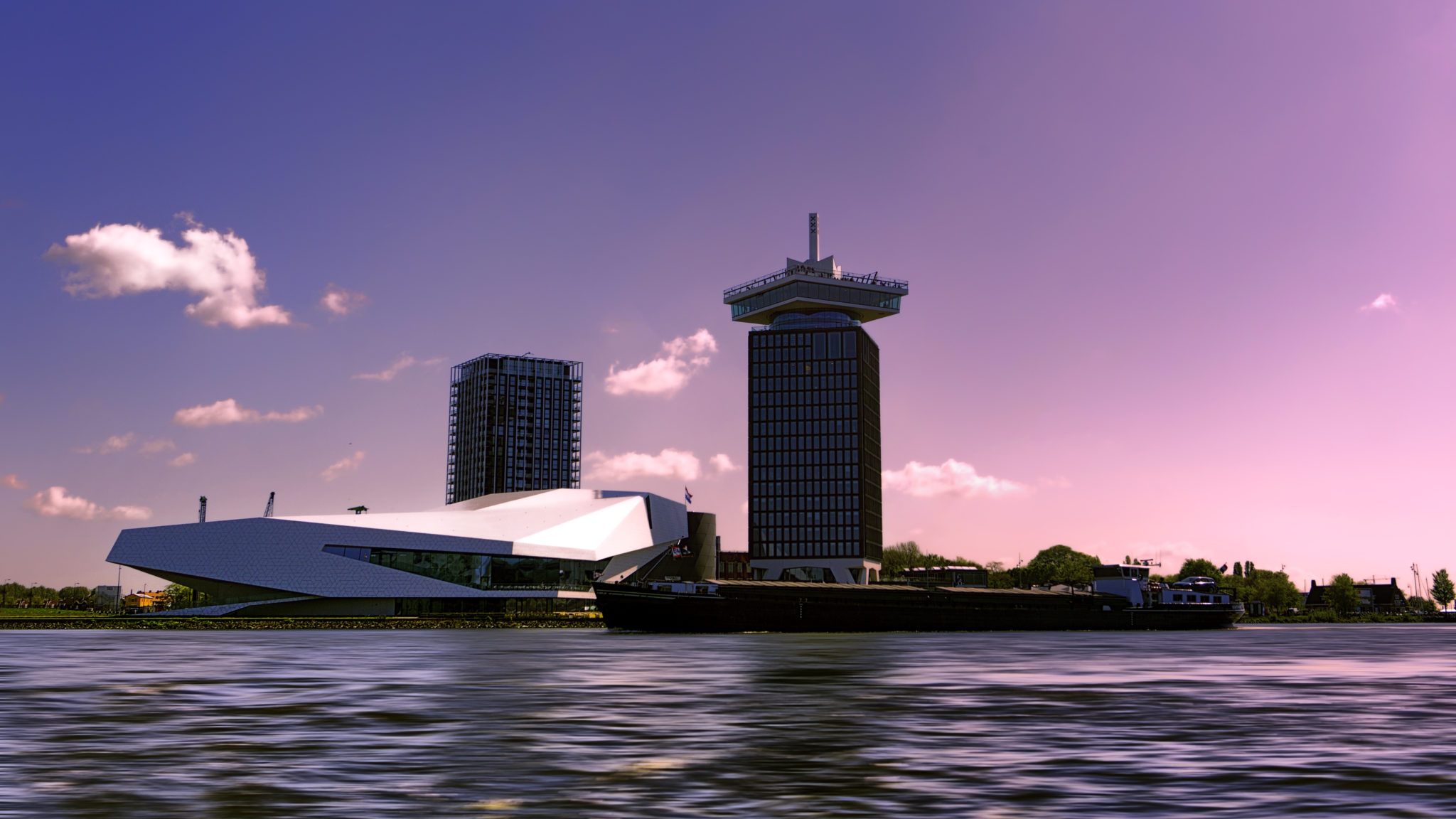

Dominating the view from the southern shore of the IJ behind Central Station, this striking white building has rapidly become one of Amsterdam’s most iconic landmarks since it opened in Spring 2012. An absolute must for film fans, the EYE Film Institute houses a permanent exhibition space which showcases retrospectives and contemporary exhibits, as well as a vast film library, cinema and fabulous restaurant bar with a terrace overlooking the water. Catch the free ’Buiksloterwg’ ferry from behind Central Station, which takes three minutes.

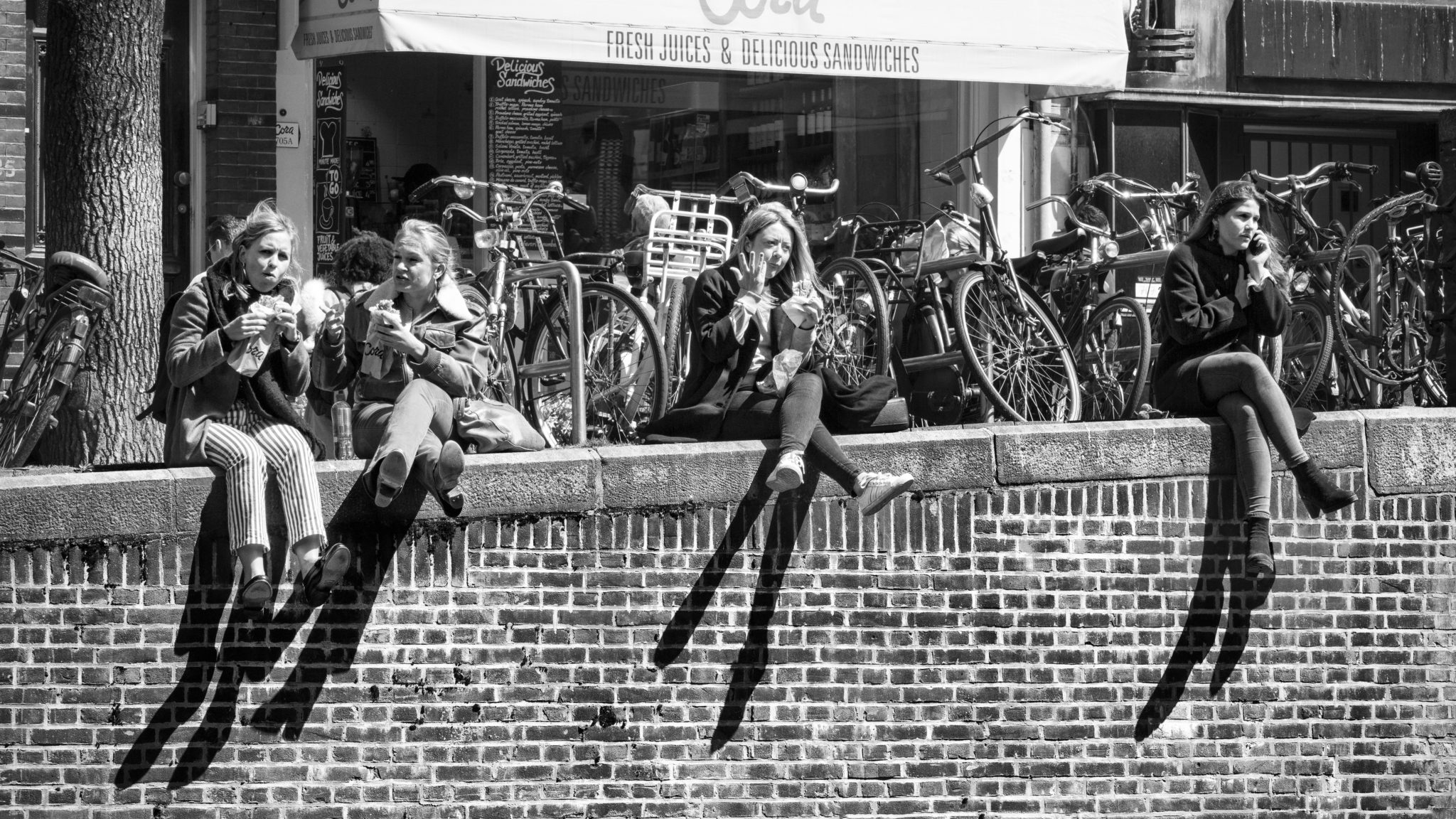


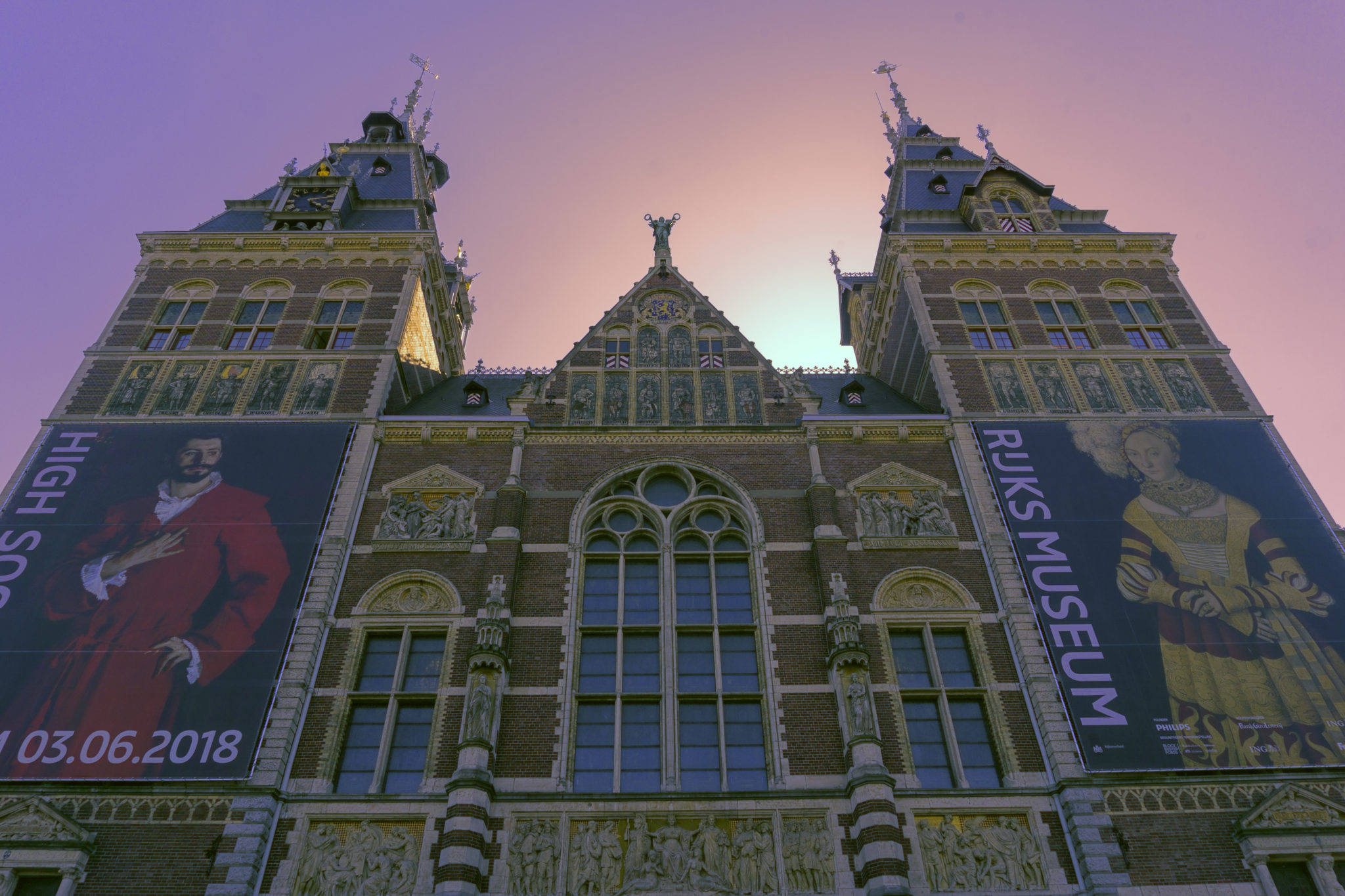
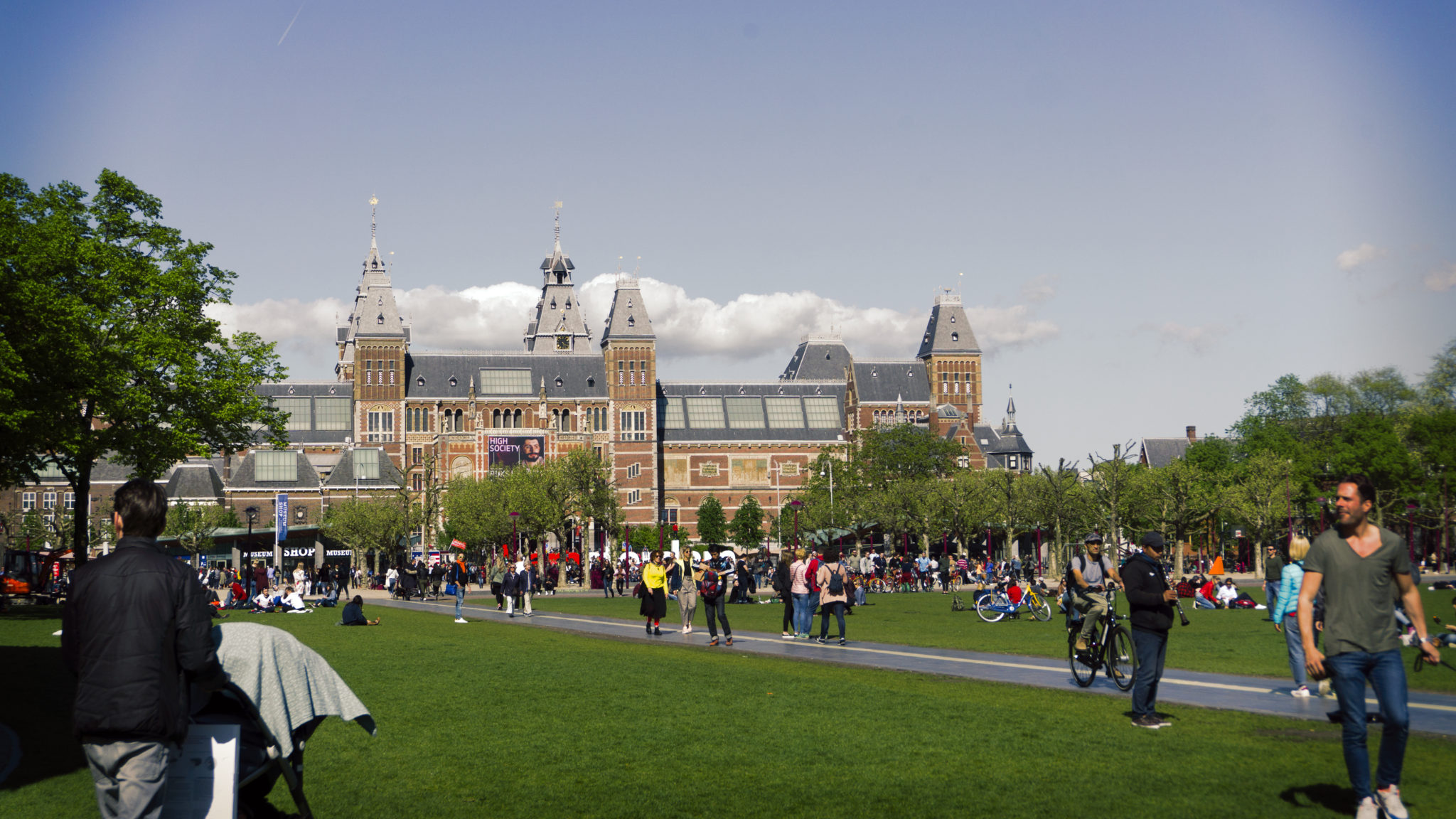
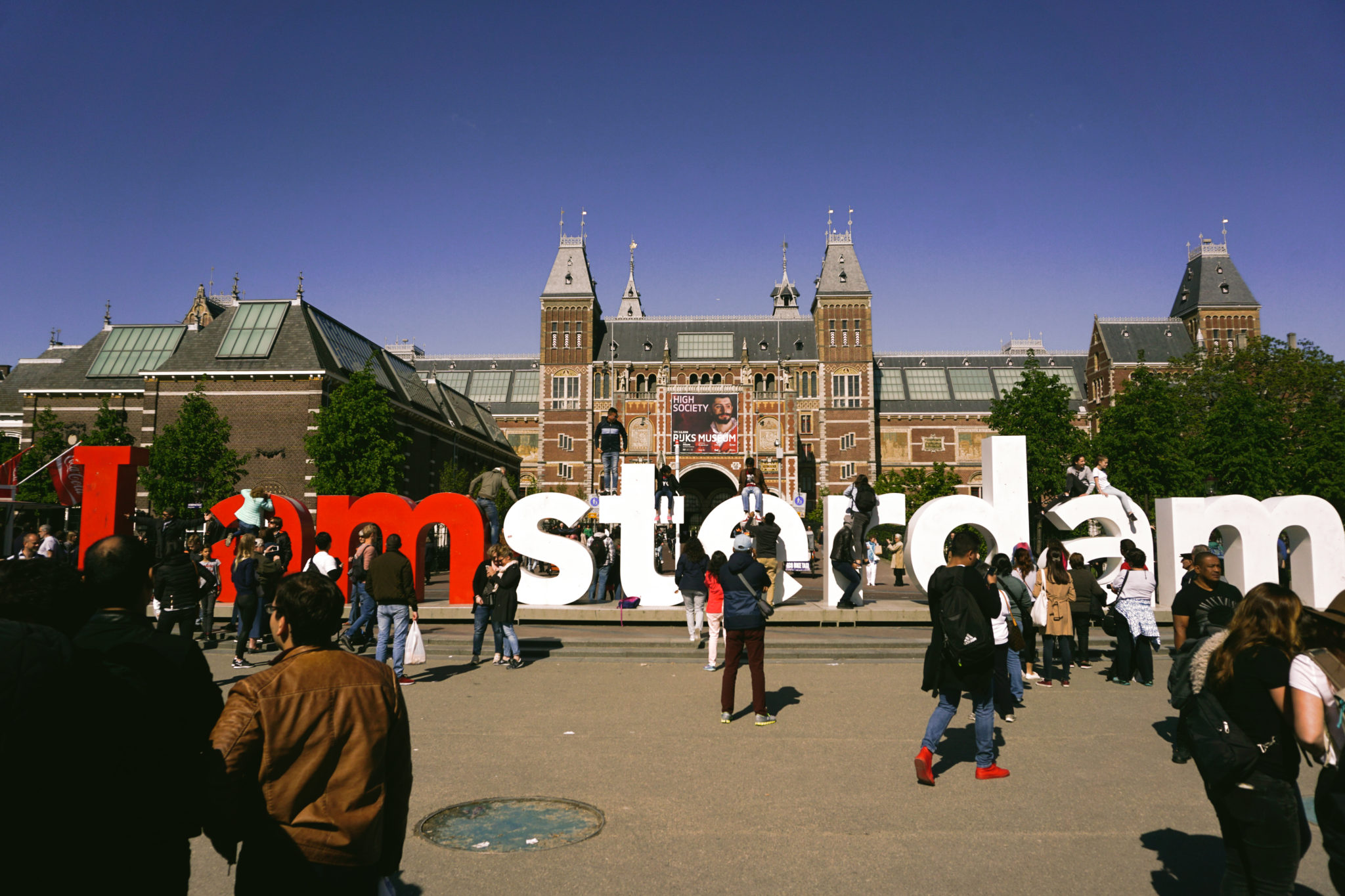
Home to the Rijksmuseum, the Van Gogh Museum and the Stedelijk Museum of Modern Art, Museumplein is the cultural beating heart of Amsterdam. Having recently been renovated to a world class standard, the leafy 19th century district of Oud-Zuid is an art lover’s utopia, and the open square between the buildings pulses with activity all day; with open-air exhibitions, markets and a large paddling pool to dip your toes into on warmer days.



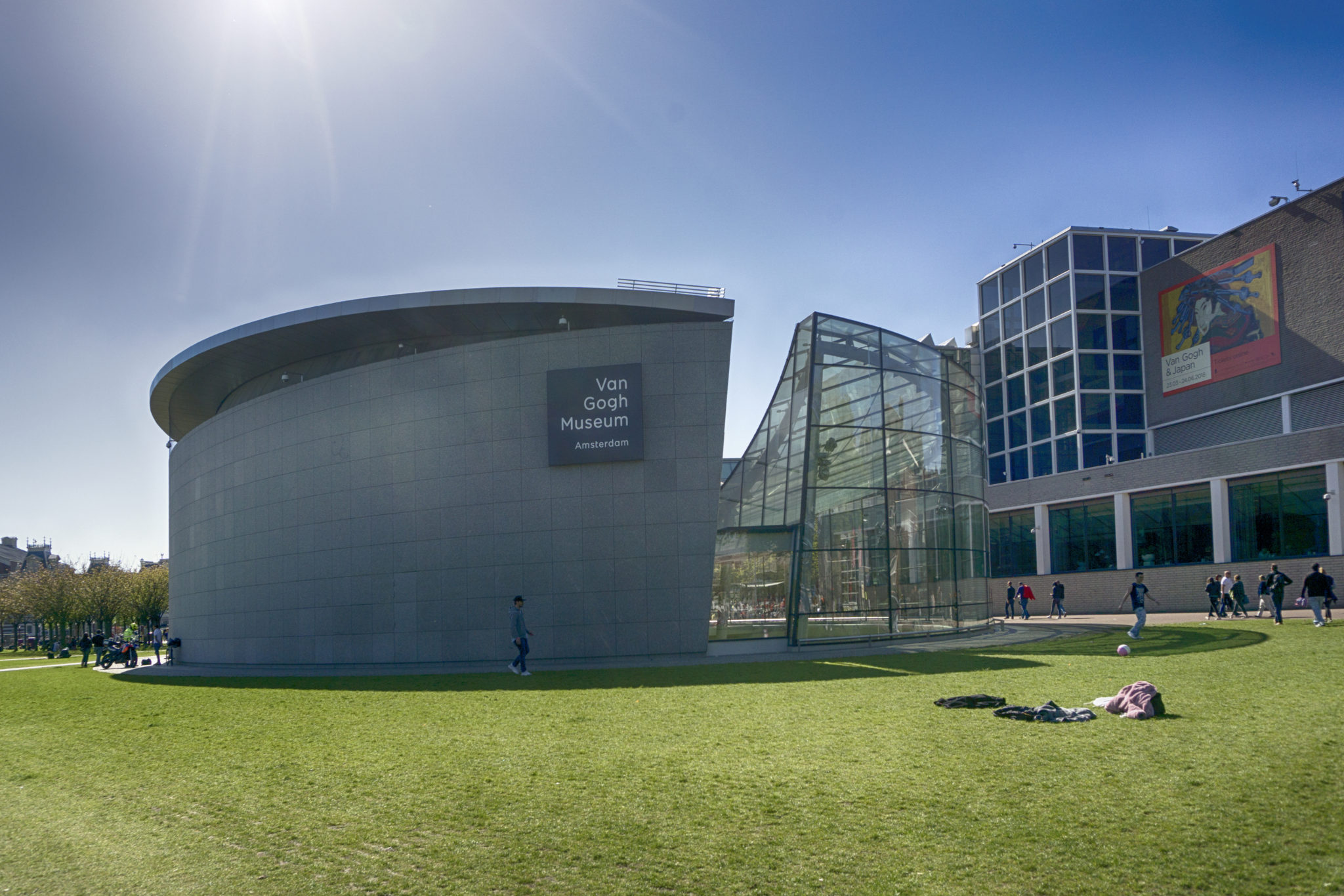

No trip to Amsterdam could be complete without paying homage to Dutch impressionist Vincent Van Gogh. The modern building on Museumplein is home to more than 1000 of the artist’s paintings, drawings and letters, and offers visitors the chance to not only get up close and personal with some of his instantly recognizable works, but also to track his development and learn more about the artists who inspired – and were inspired by – him.
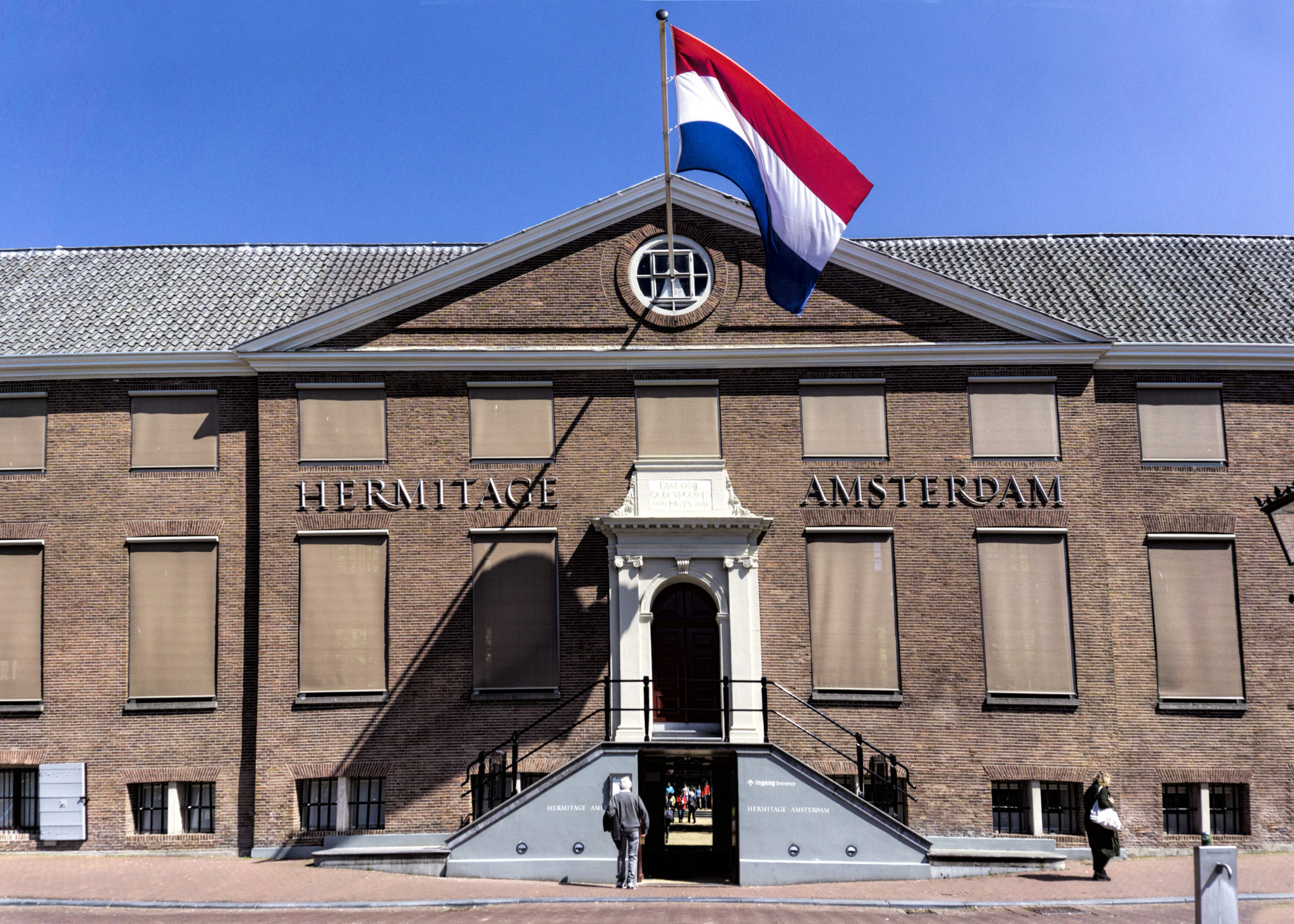

The Hermitage collection in Amsterdam displays rotating selections of works and artifacts from the Hermitage collection in Russia. These include paintings, graphic works, sculptures, applied art and archaeological discoveries. The Hermitage Amsterdam also has a special children’s section and regularly holds workshops focused on fun and creativity. All this has helped to establish the Hermitage Amsterdam as one of Amsterdam’s major museums.
The world-famous Amsterdam flower market
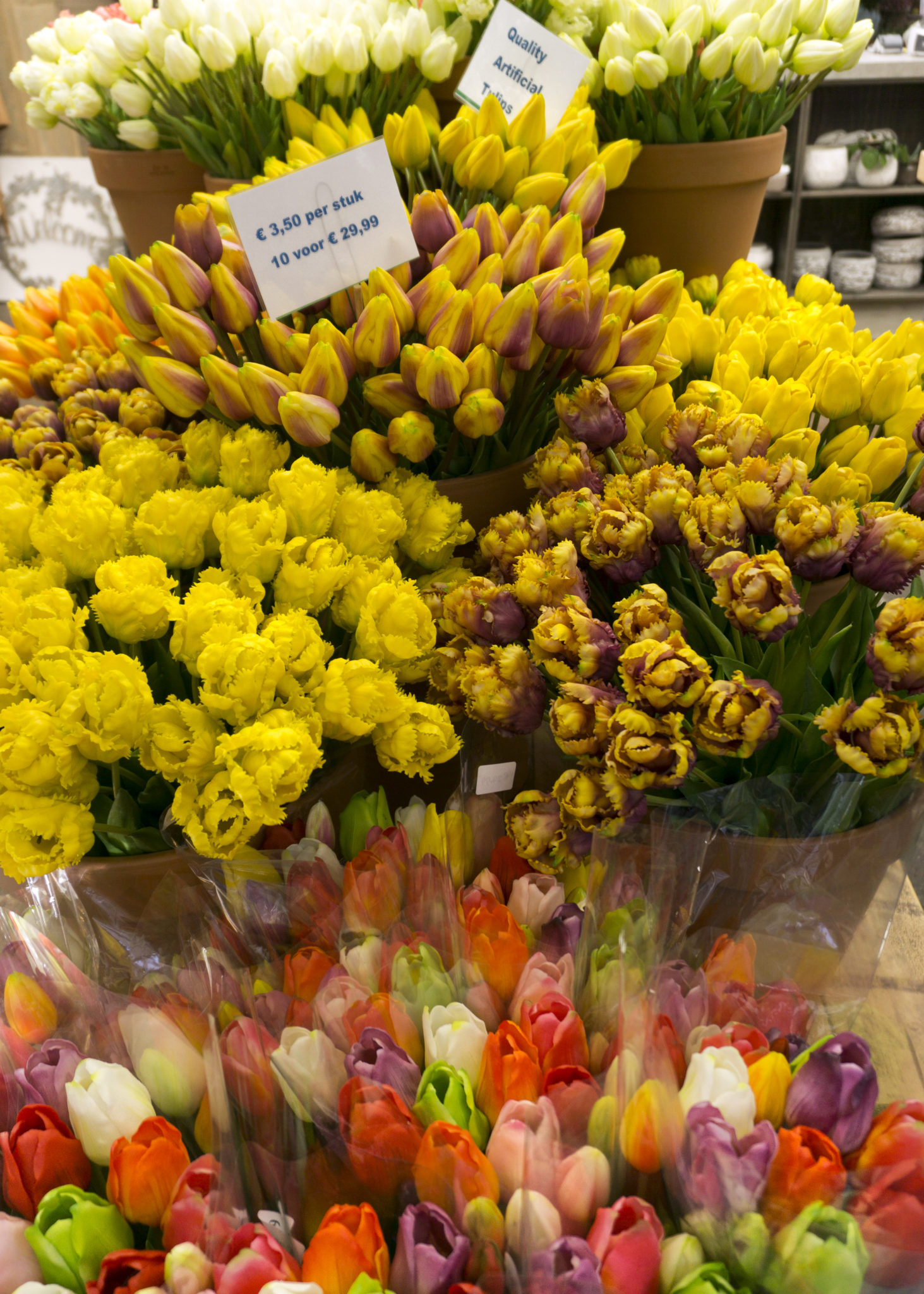

The Singel flower market is one of Amsterdam’s most colorful attractions. At the Amsterdam flower market you’ll find tulips of every color – either in bouquets or as bulbs to plant at home. But the market has far more than just tulips. No matter what your favorite flower, you’re bound to find it here. Besides cut flowers, there are plenty of house plants, seeds and gardening essentials. If you plan to buy bulbs to take out of the country, be sure they have a customs cleared stamp on the packet so you won’t have trouble at the border.
Amsterdam flea market
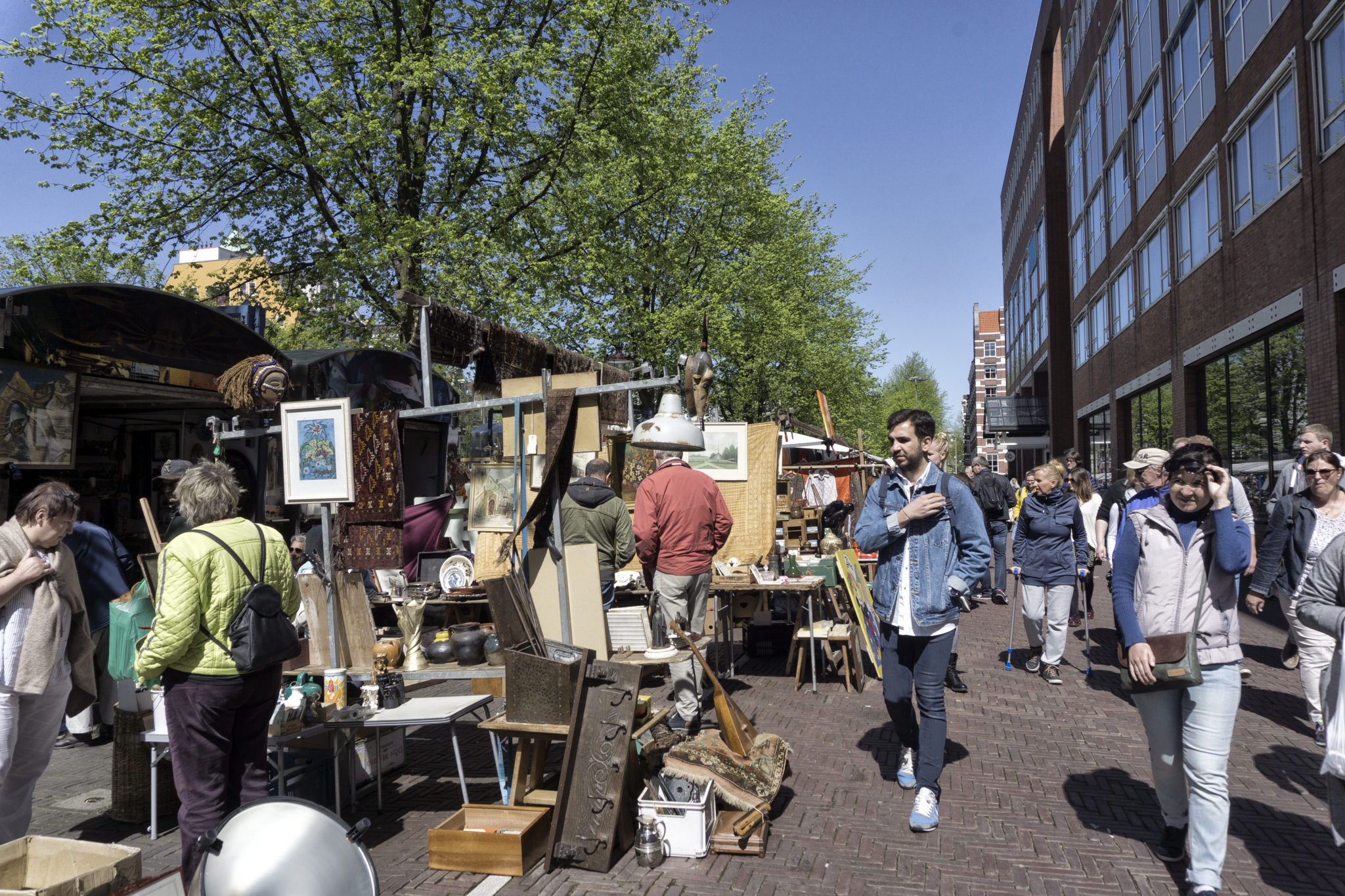

Situated in the former Jewish quarter, the Waterlooplein market dates back to 1885 when it was open every day except the Sabbath. These days you can wander through this Amsterdam flea market every day except for Sundays and public holidays. Every stall has something different on offer, including (second-hand) clothes, antiques, knick-knacks, souvenirs, bicycle parts and much more. It’s situated right beside Amsterdam City Hall, surrounded by attractions such as the Rembrandt House Museum, Dutch National Opera & Ballet and the River Amstel.
Red Light District Amsterdam
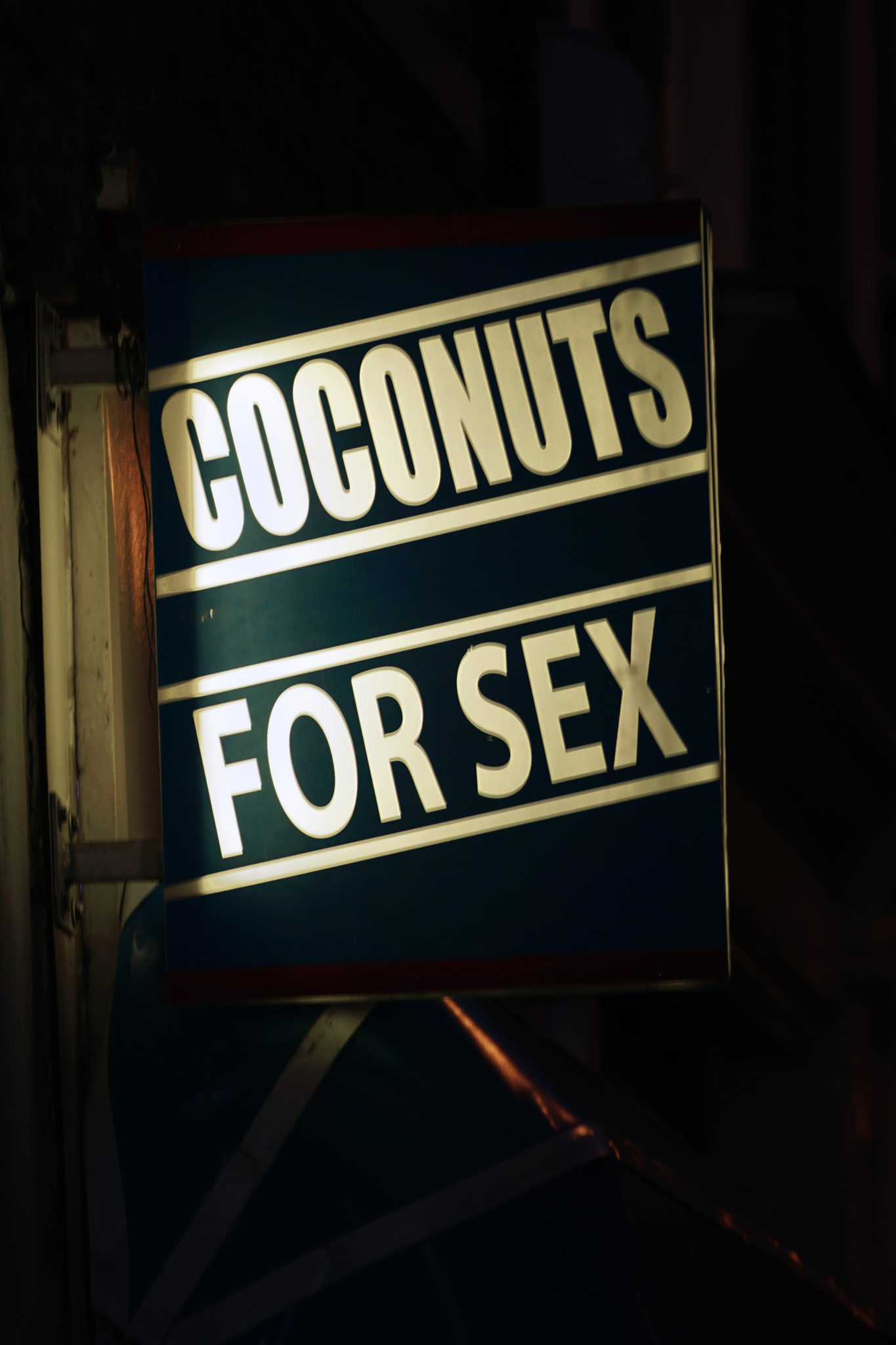

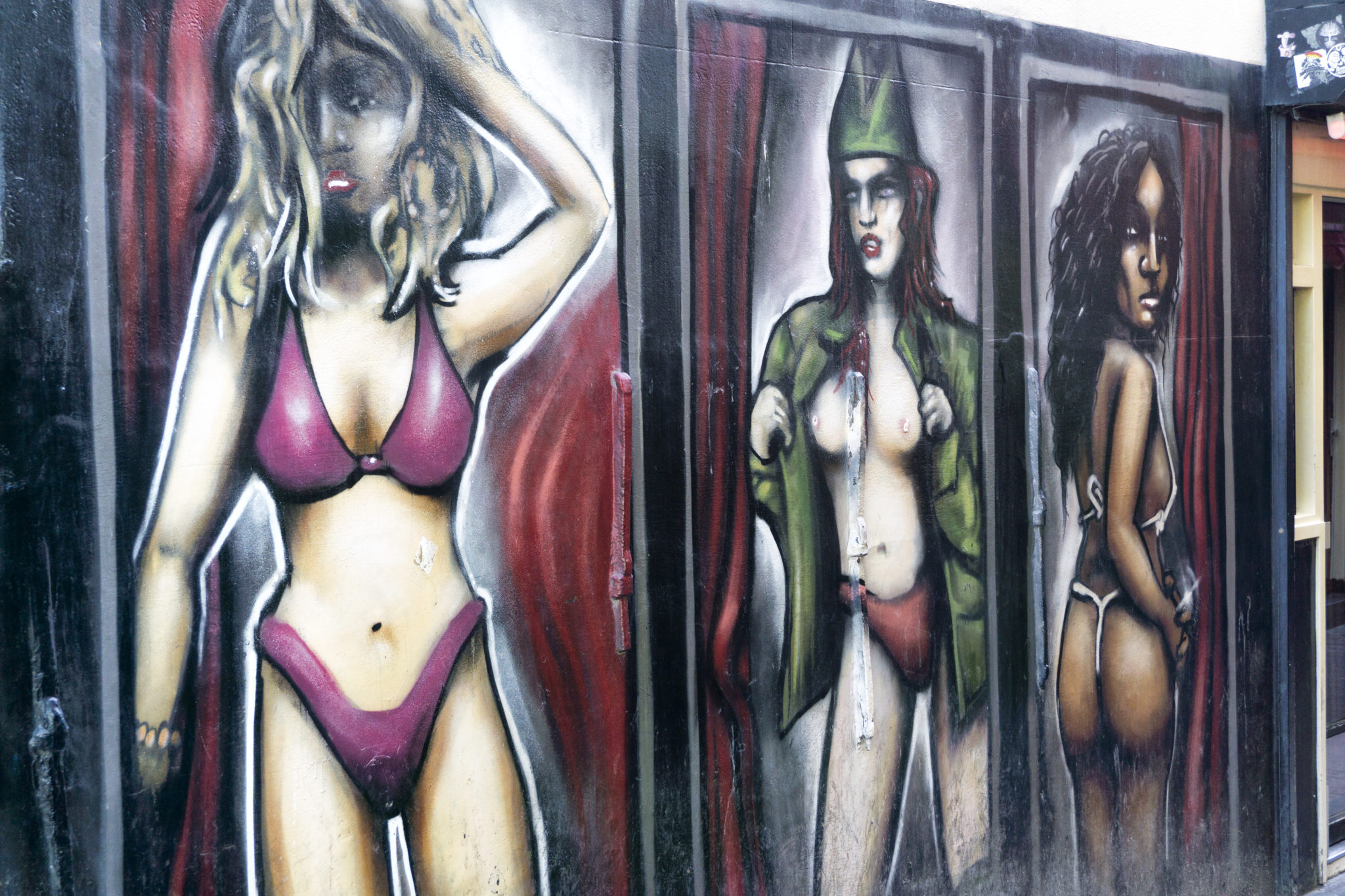

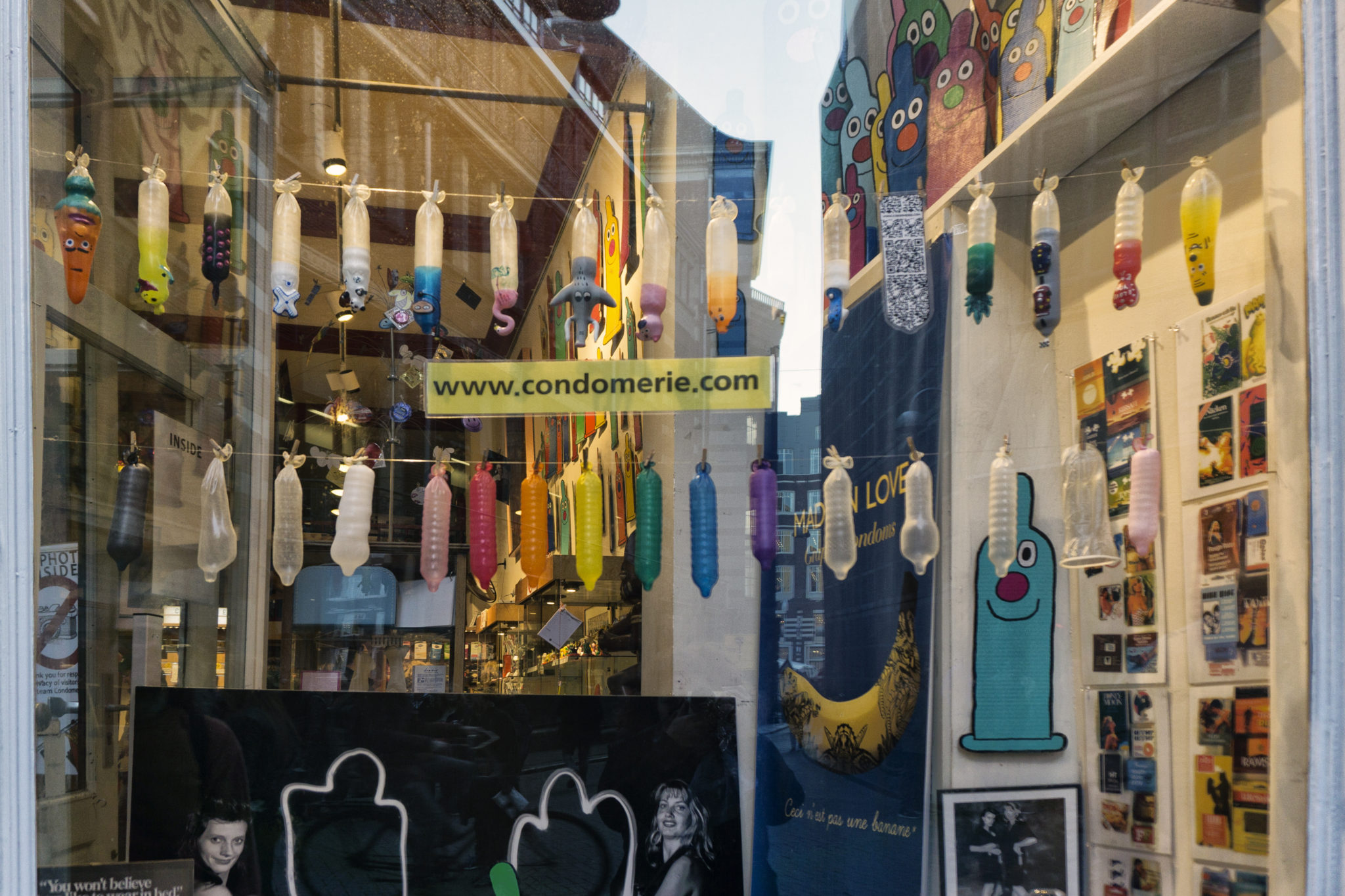

It is very likely that you have heard about this neighborhood and to be frank, everything you have heard is probably true. From brothels to sex shops, to museums, the Amsterdam Red Light District has it all. But contrary to what a lot of people might think, the Amsterdam Red Light District has a very friendly atmosphere and isn’t as dangerous as it used to be.
4th day: Zaanse Schans, Haarlem
(Edam to Zaanse Schans 19,3km cycling, Zaanse Schans to Haarlem 20km cycling)
ZAANSE SCHANS


Beautiful, unique and full of windmills, handicraft shops and museums.
You shouldn’t only read about the heritage of the Zaan district, you have to experience it! This is what architect Jaap Schipper must have been thinking when he came up with the plan for the Zaanse Schans in 1946. Starting from 1961, several buildings were transported to the area by road and water.
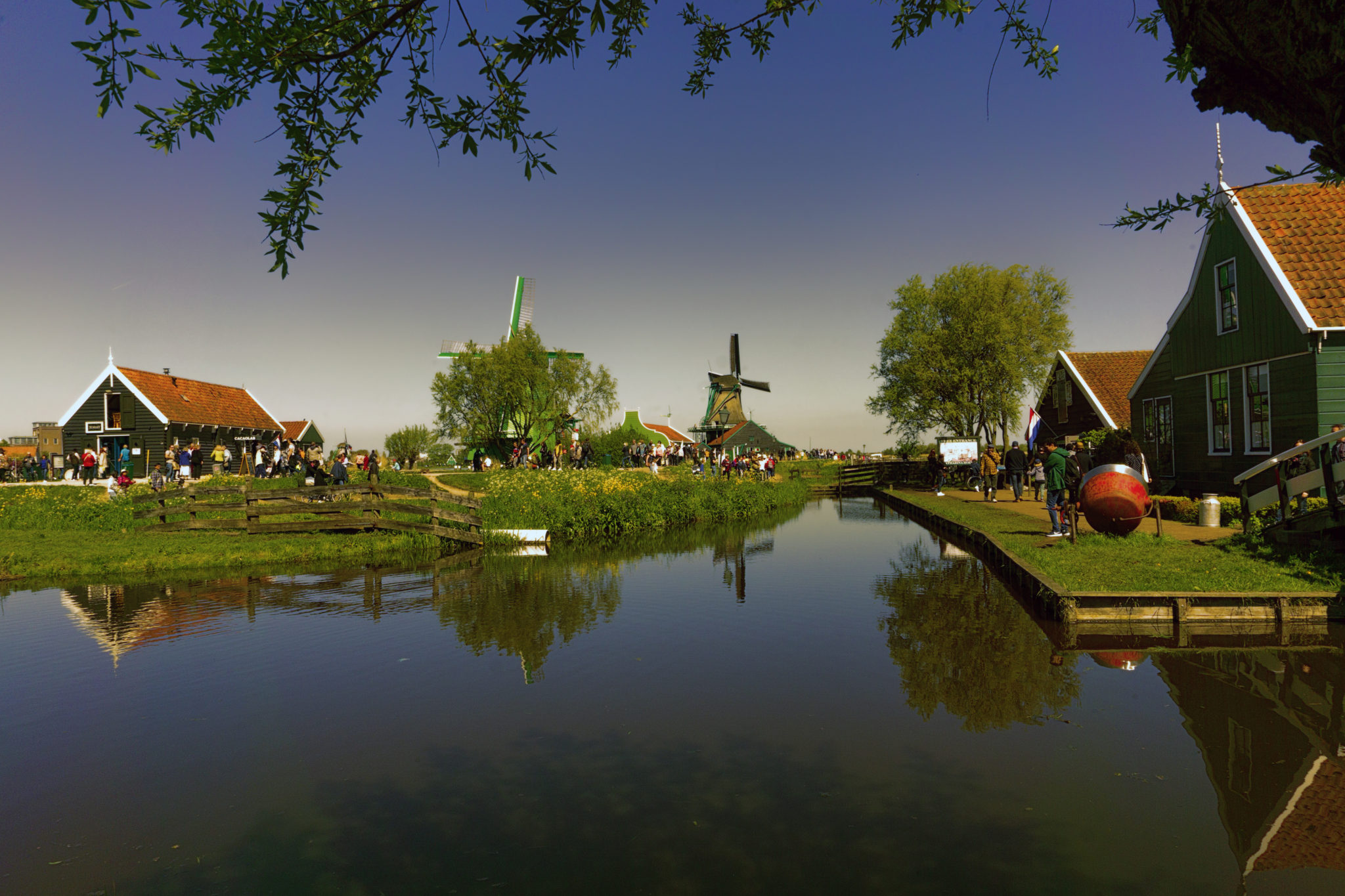

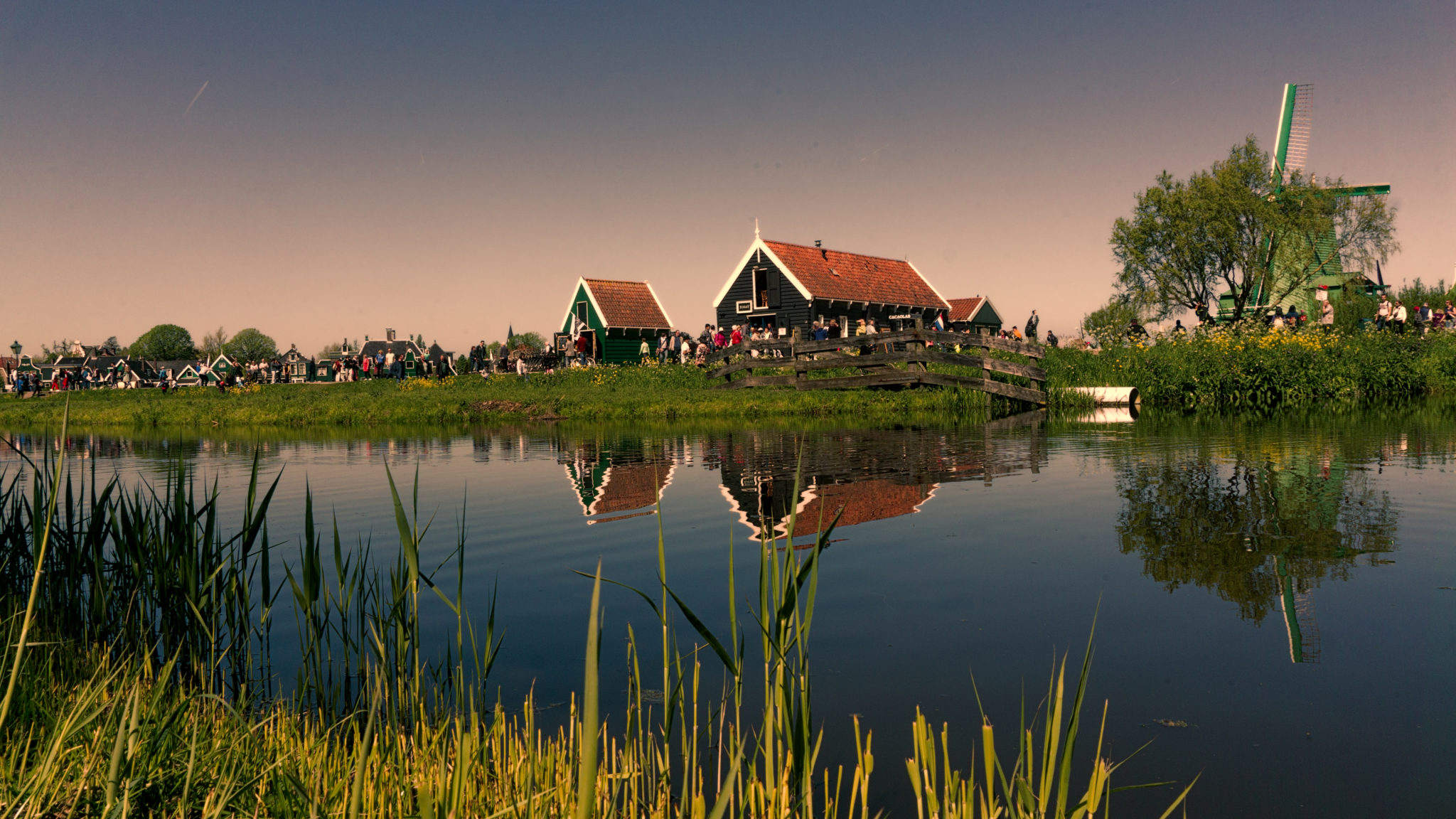

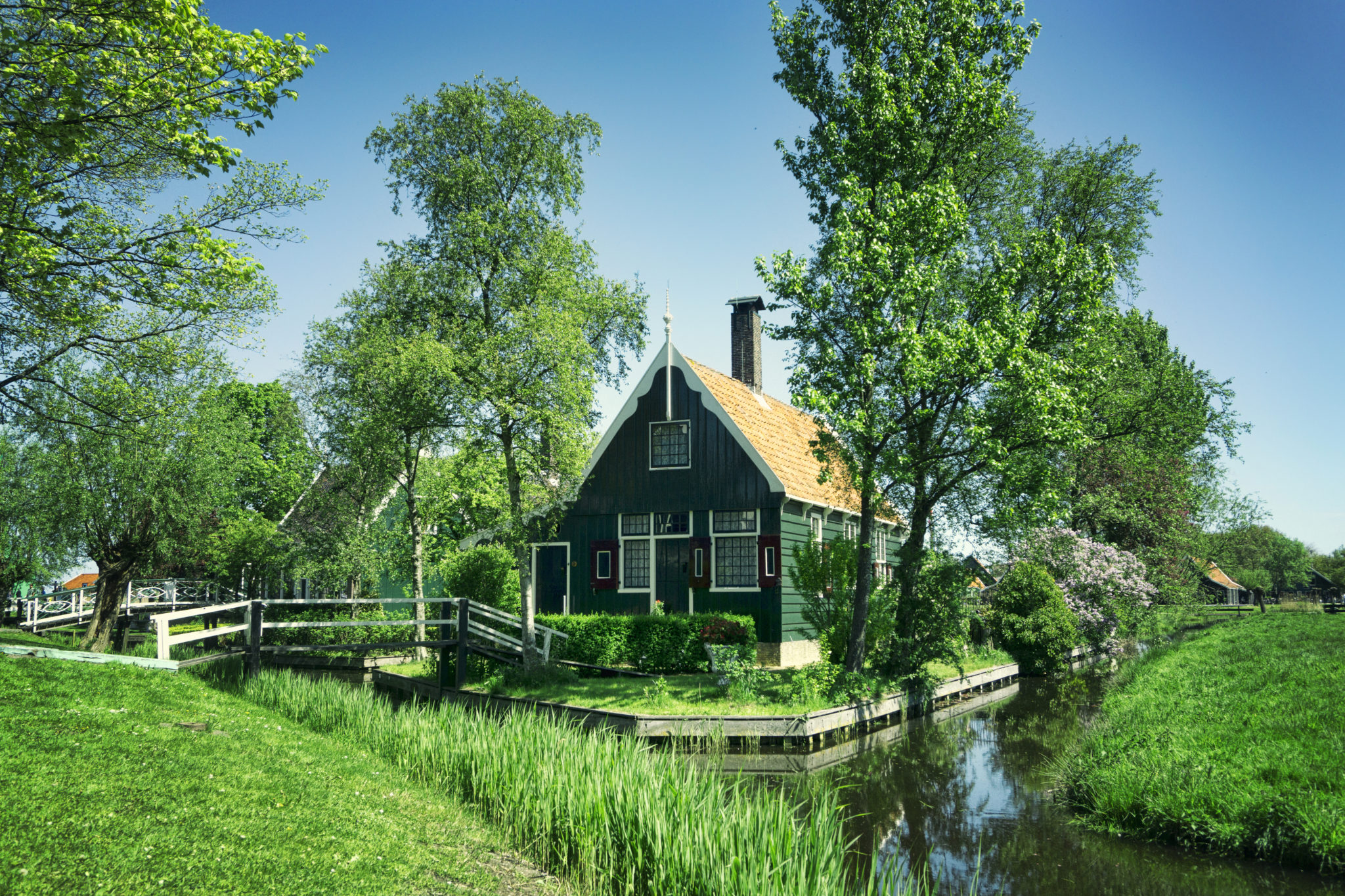

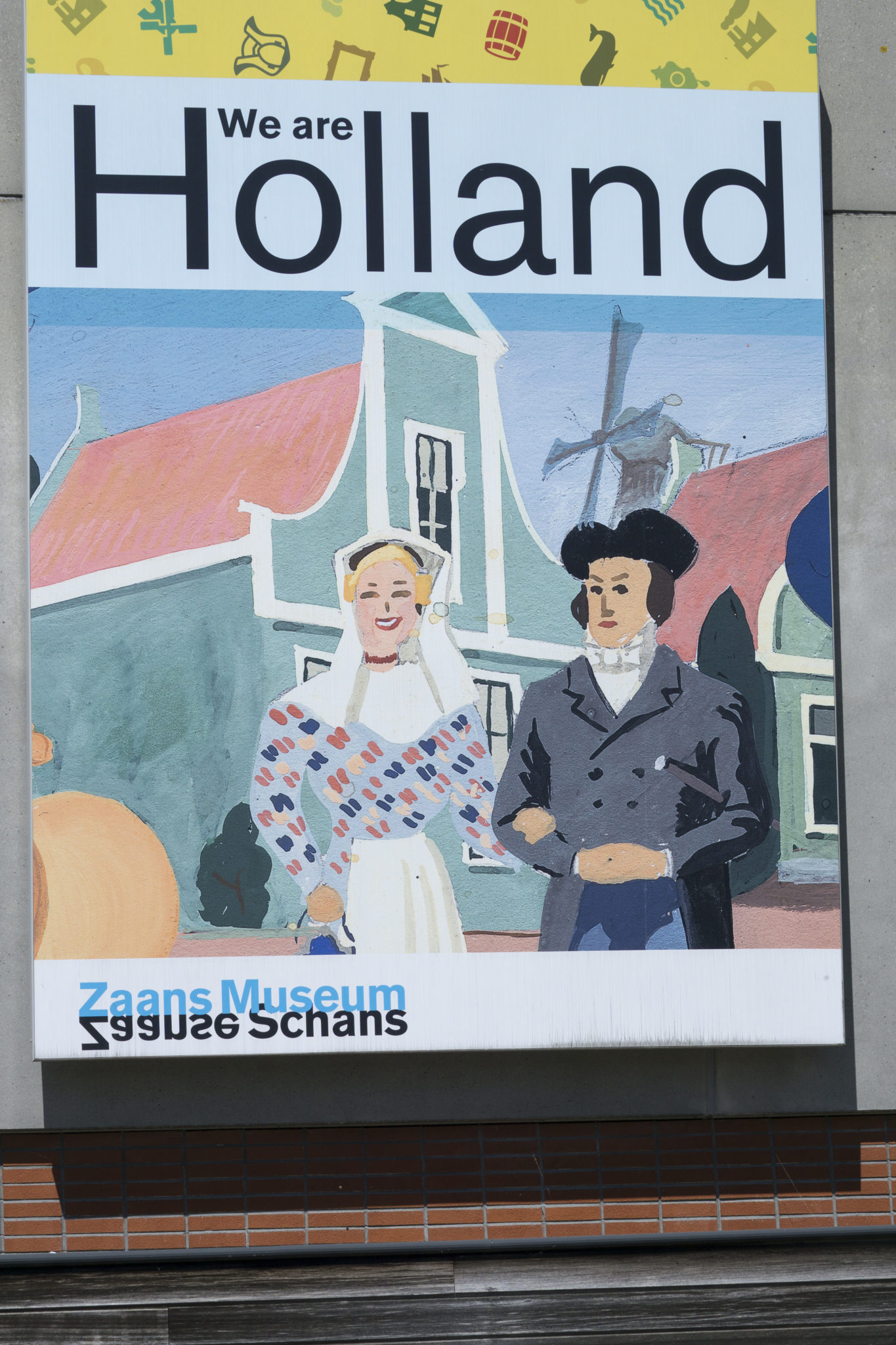

Stroll past the bakery museum and enjoy the smell of fresh cookies, or take a look at the warehouse where clogs are made. You should be sure not to miss the cheese factory, pewter foundry and the various windmills. The Zaanse Schans is a unique part of the Netherlands, full of wooden houses, mills, barns and workshops. Make a cycling or sailing trip, browse the shops or treat yourself at the pancake restaurant. A day out at the Zaanse Schans in North Holland is fun and educational.
HAARLEM
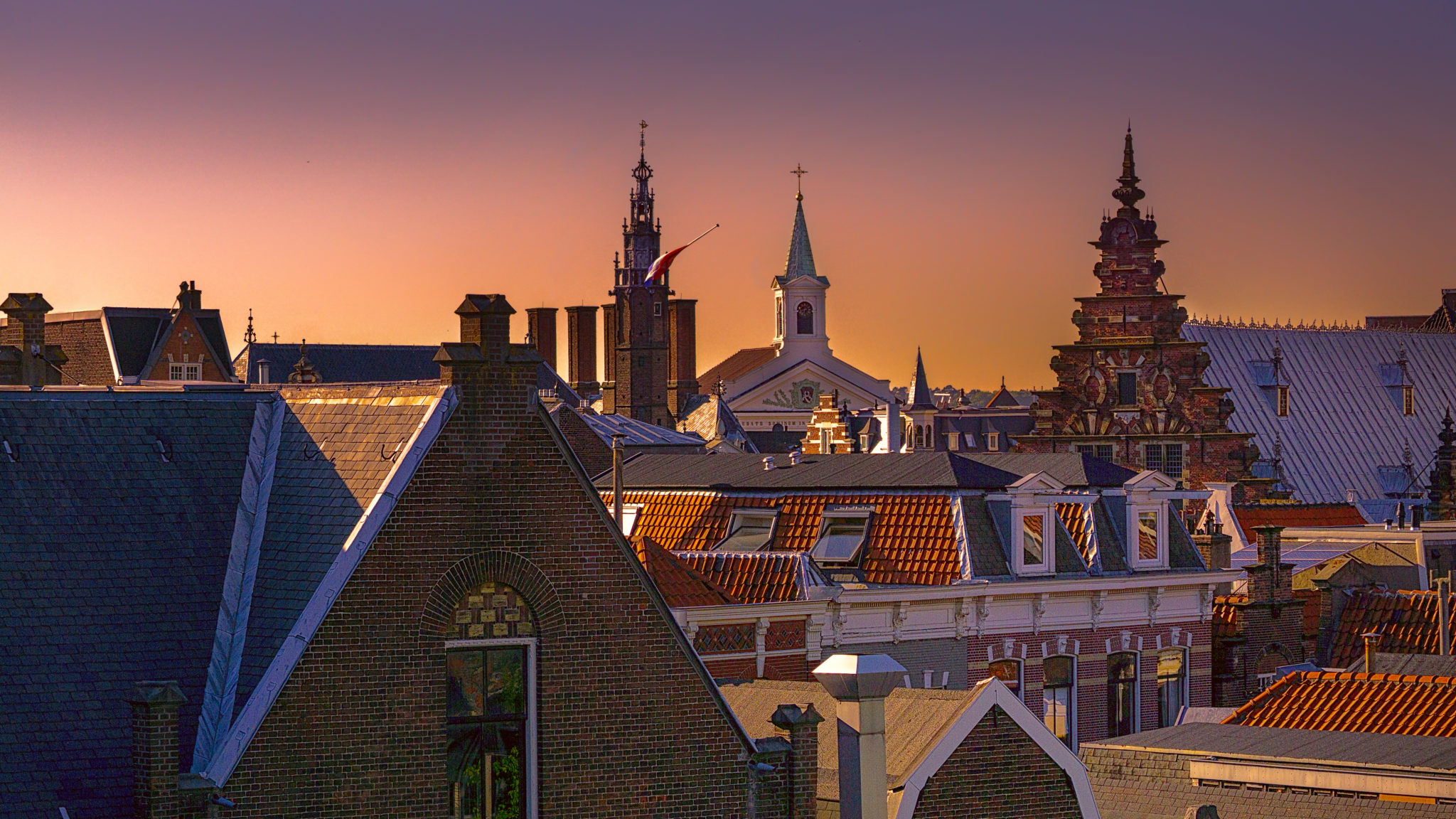

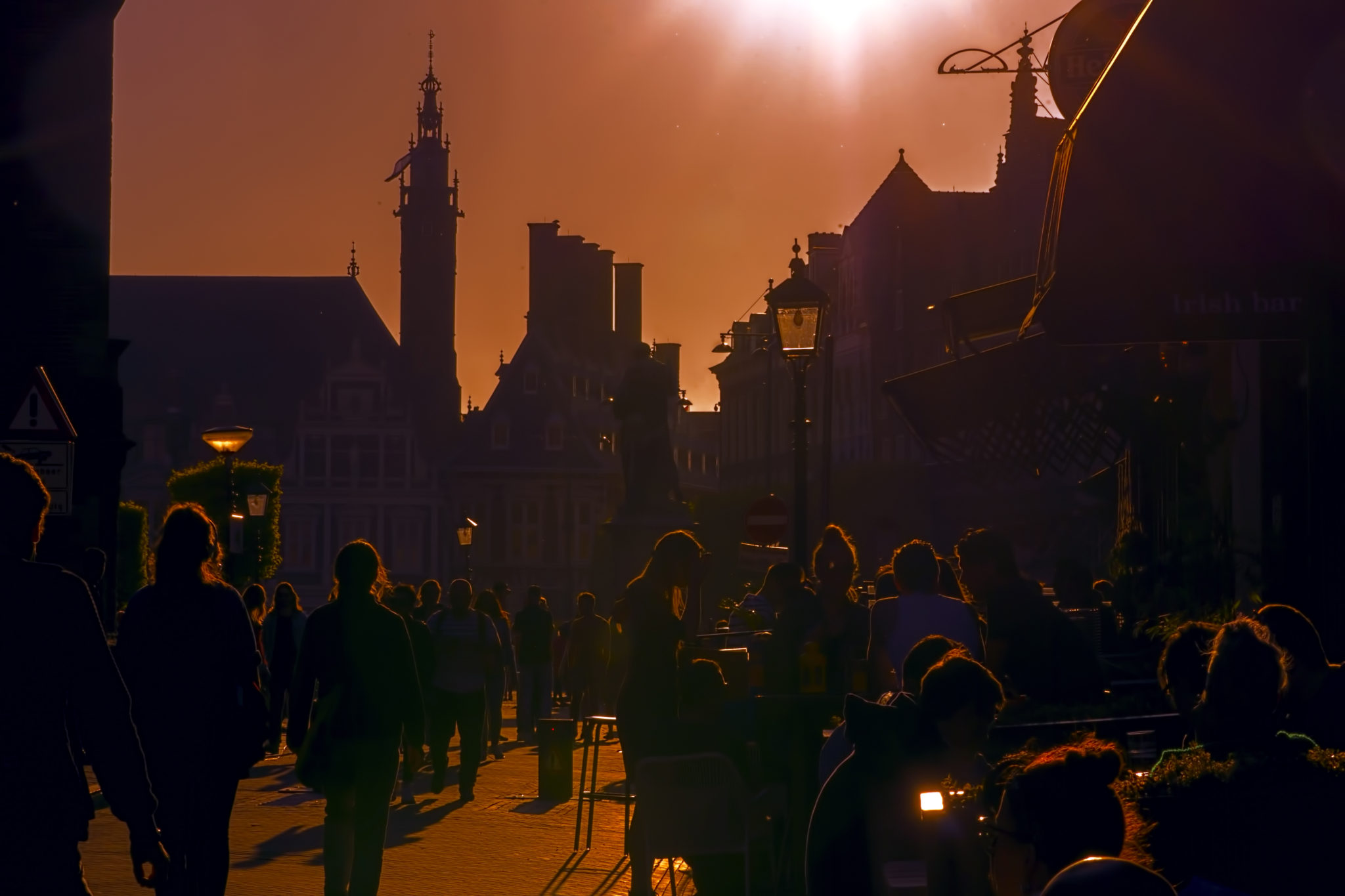
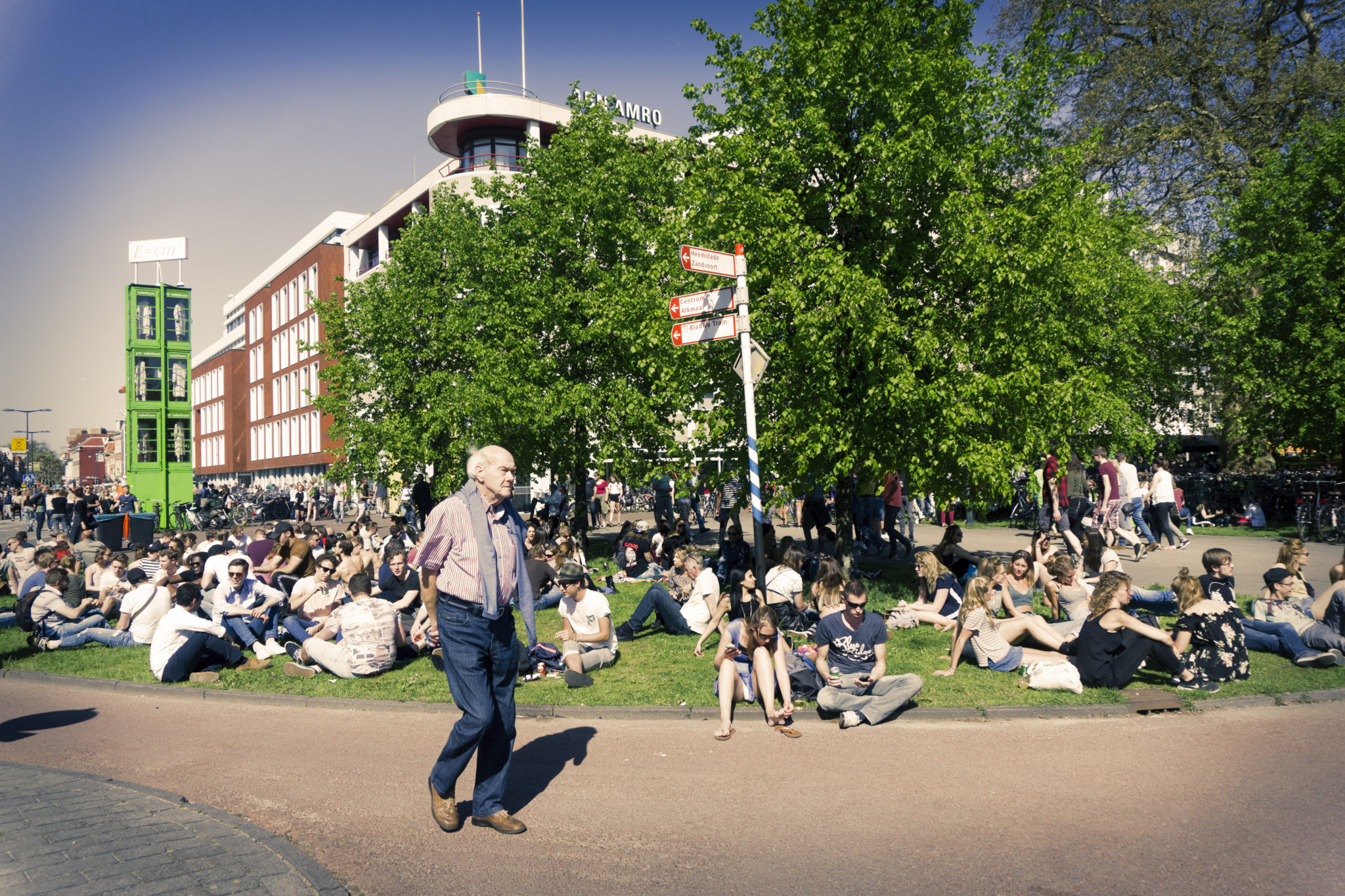
Haarlem is a charming, medieval city in North Holland with lots for tourists to the Netherlands to see and do.
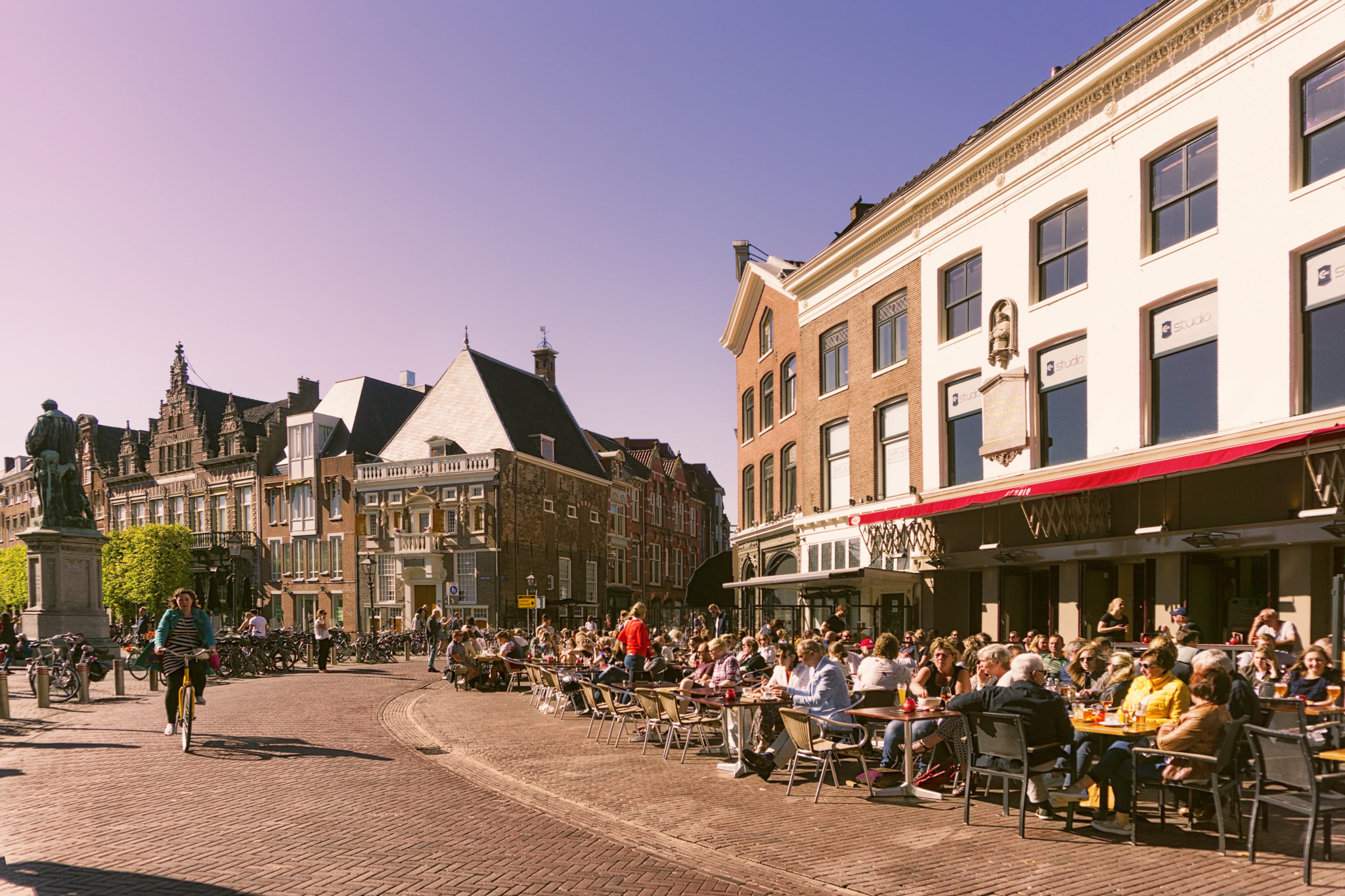

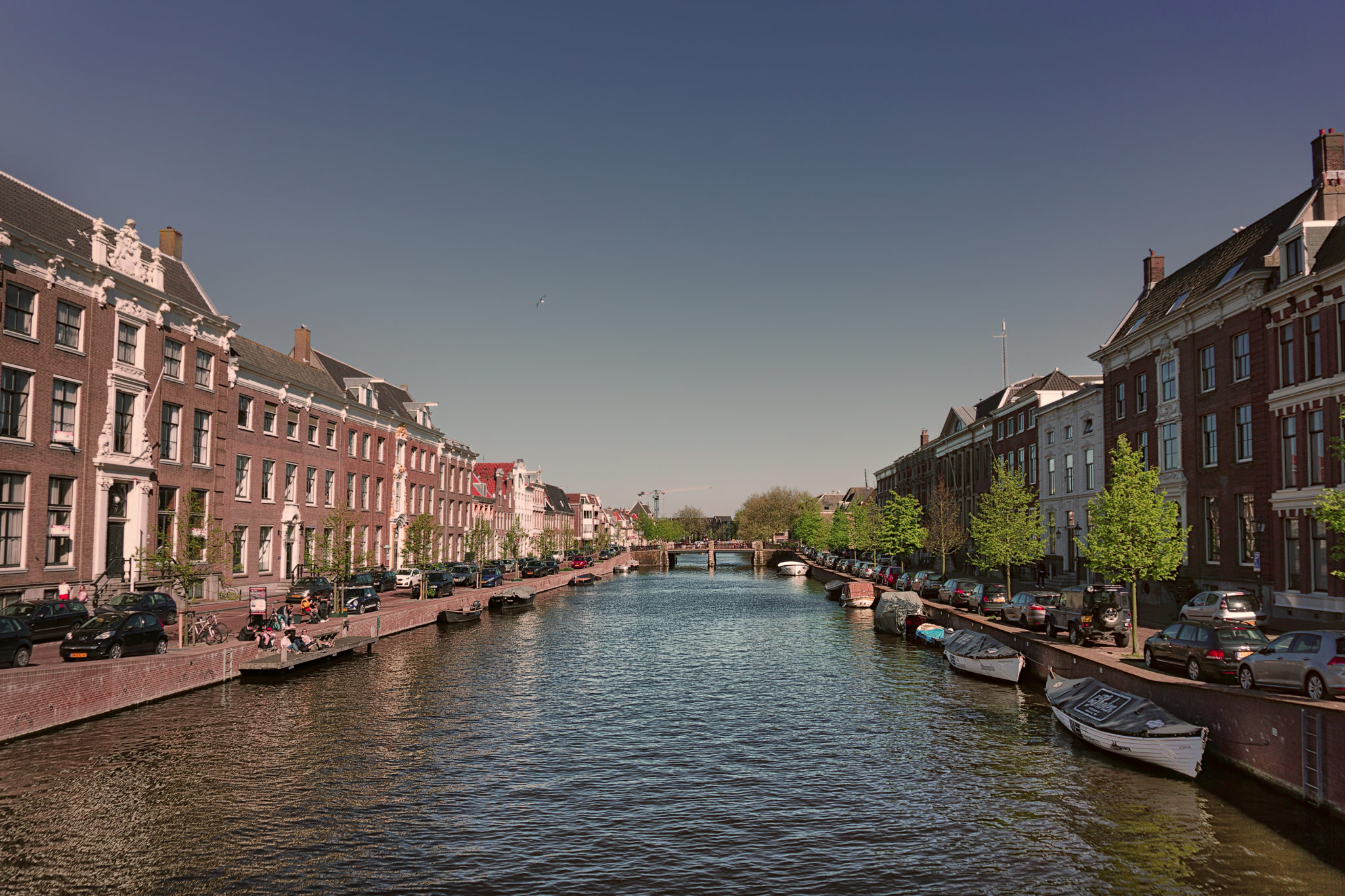

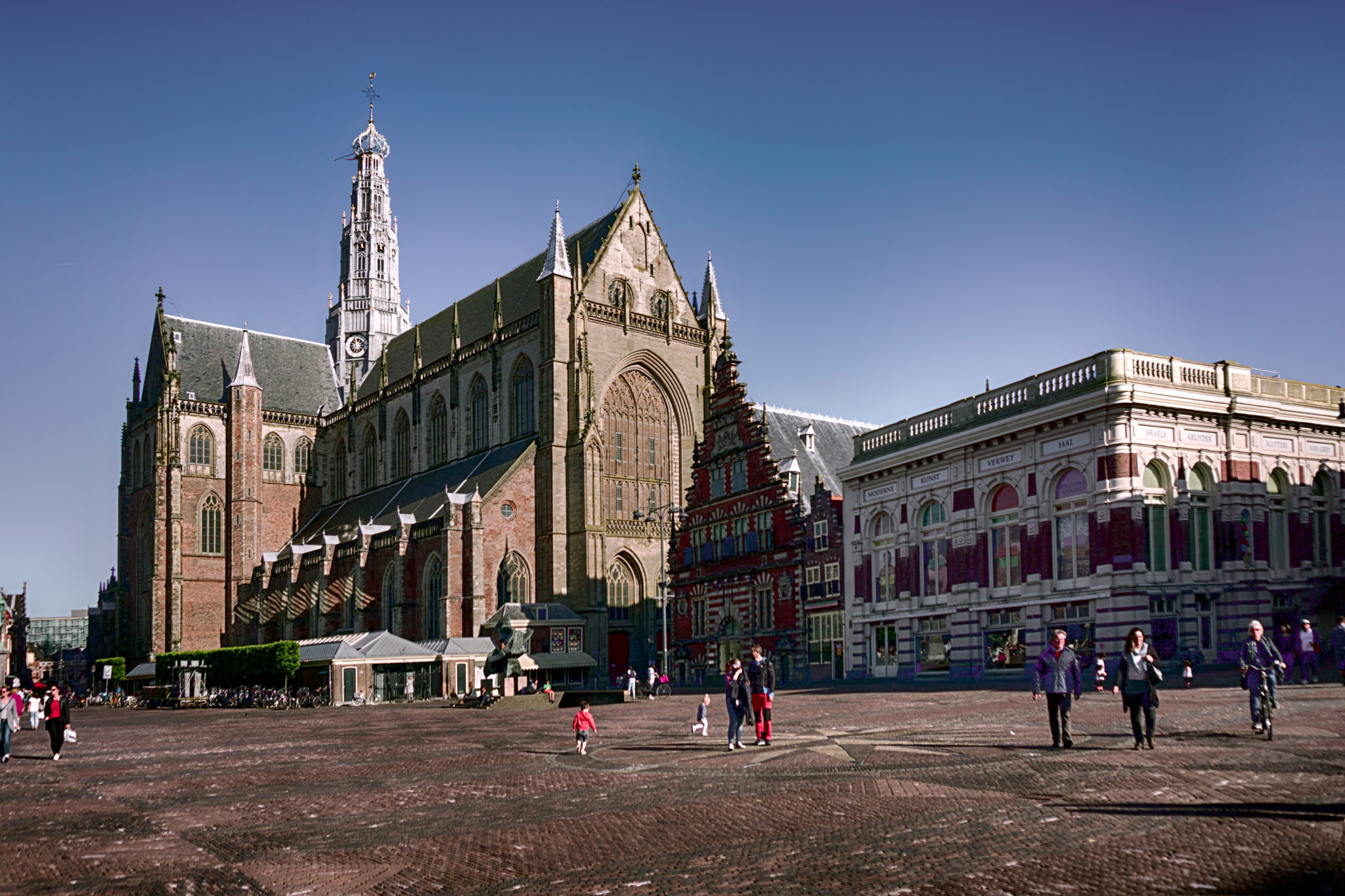

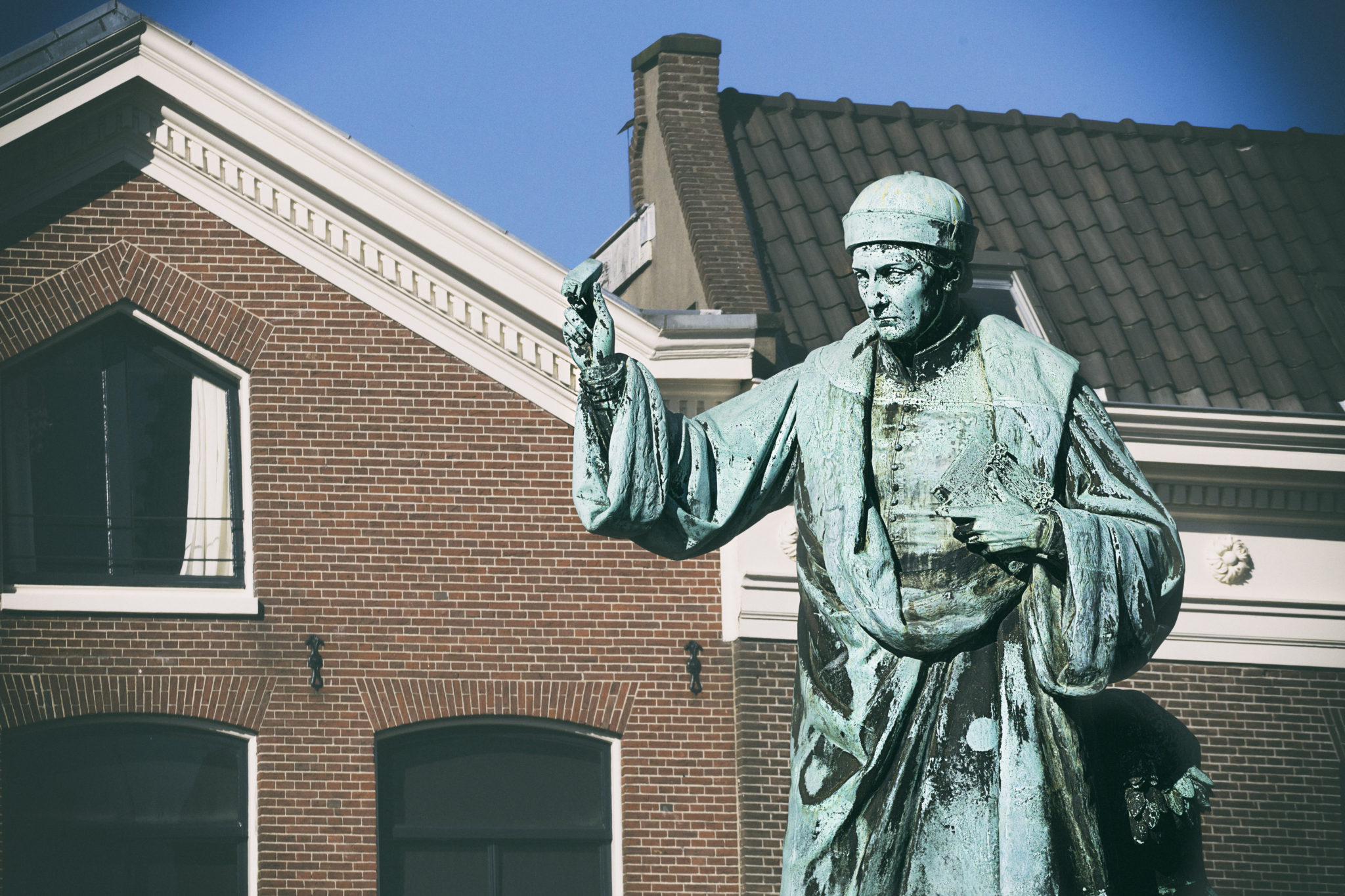

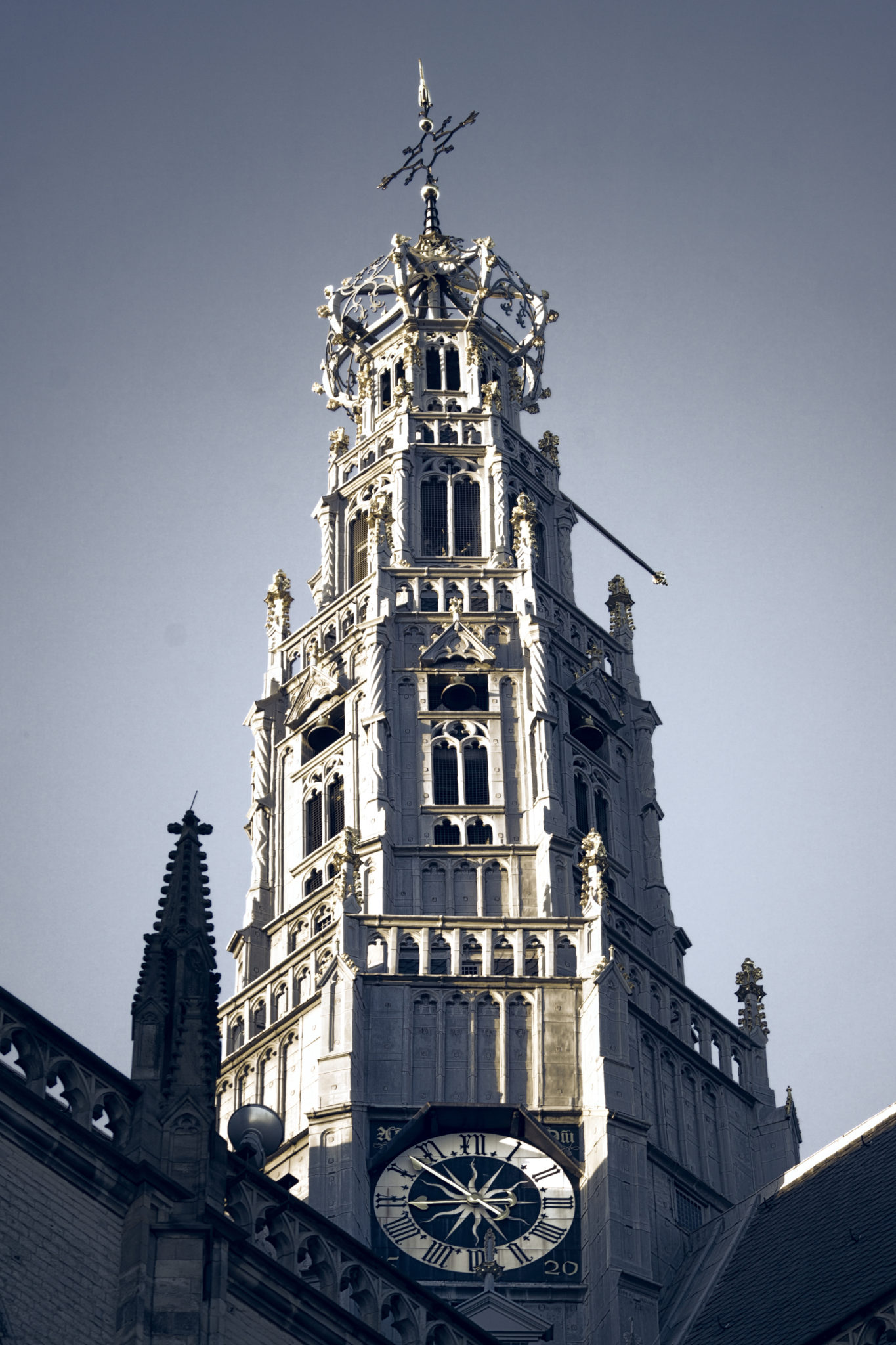

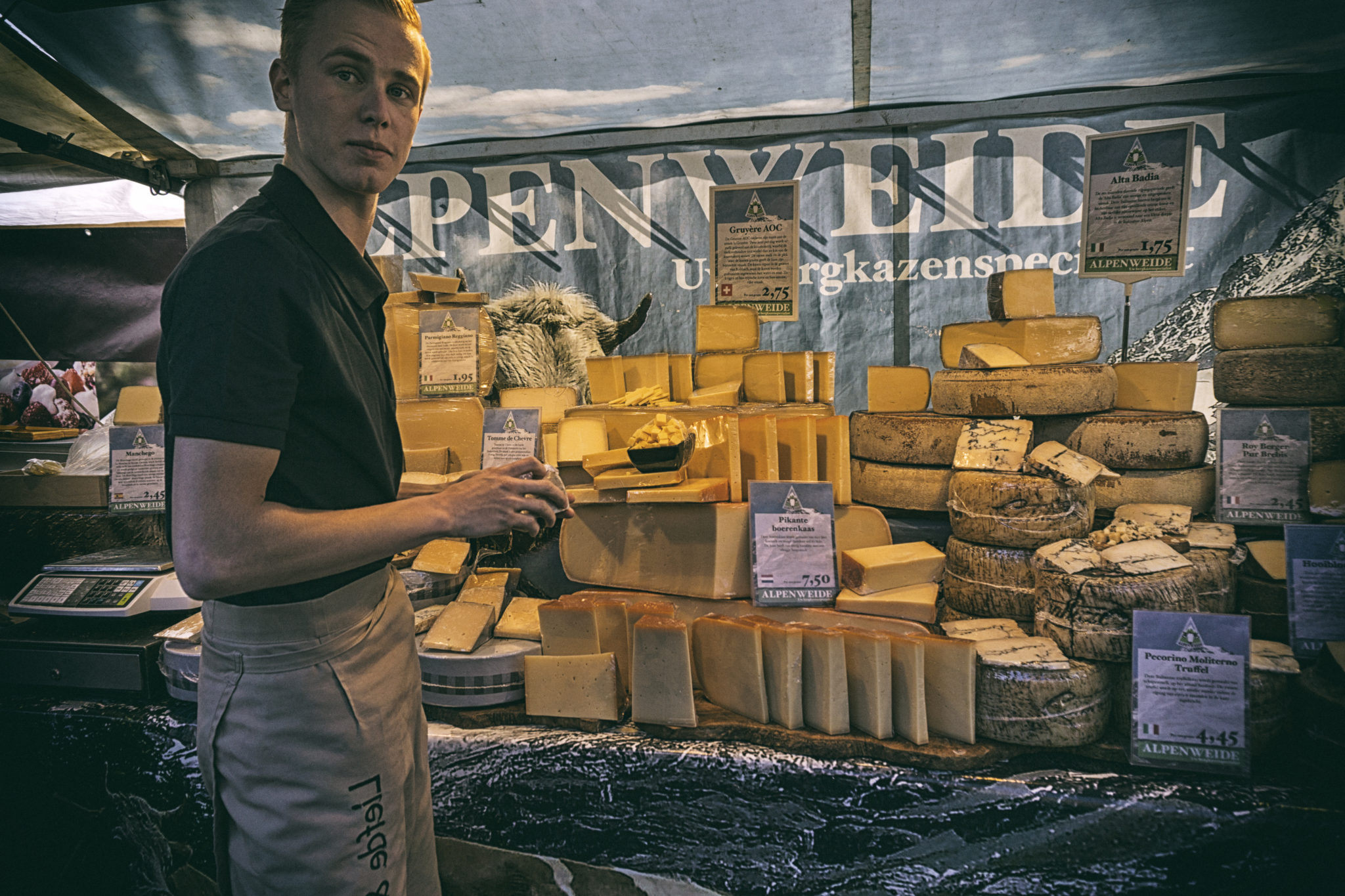

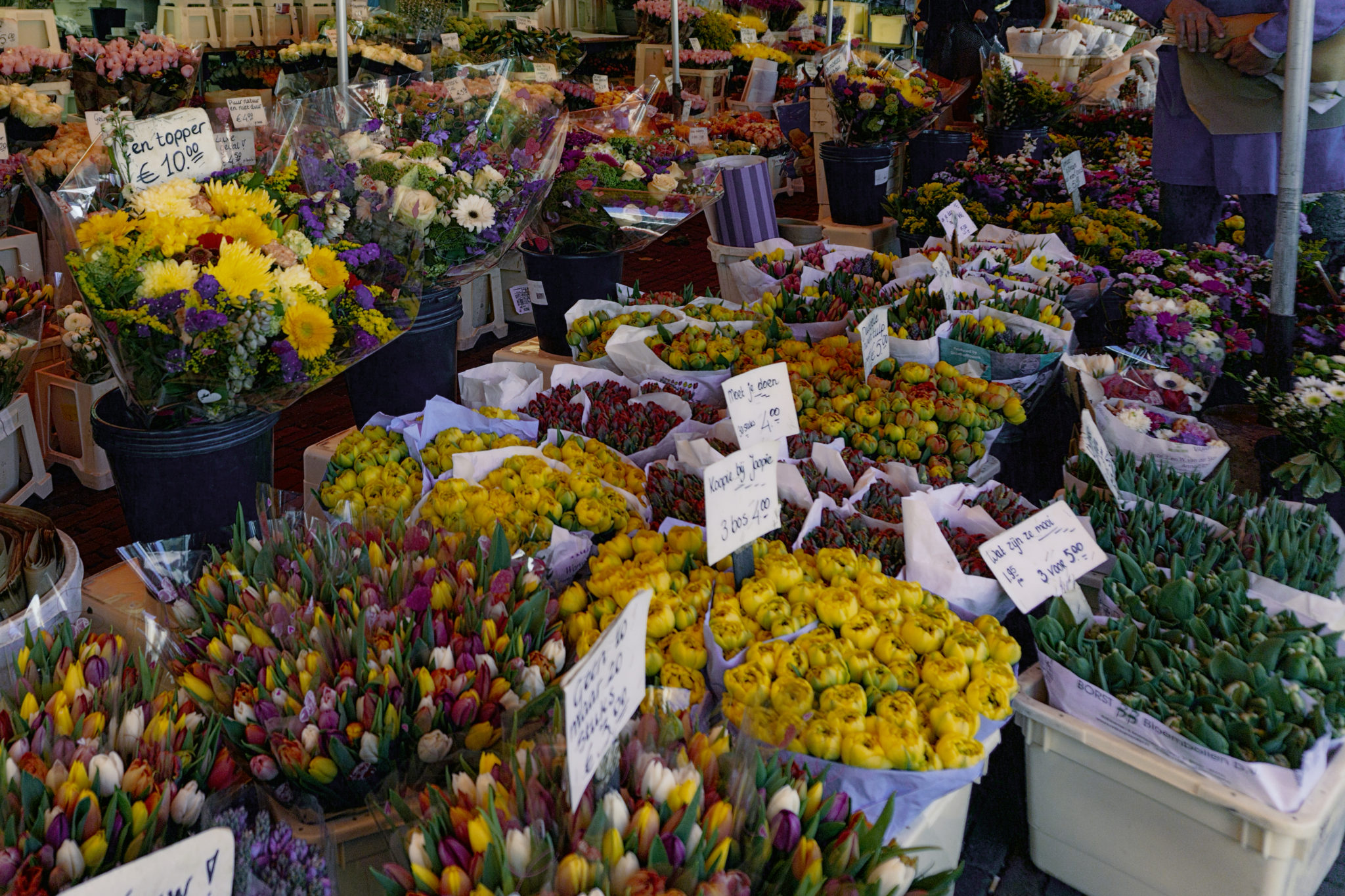

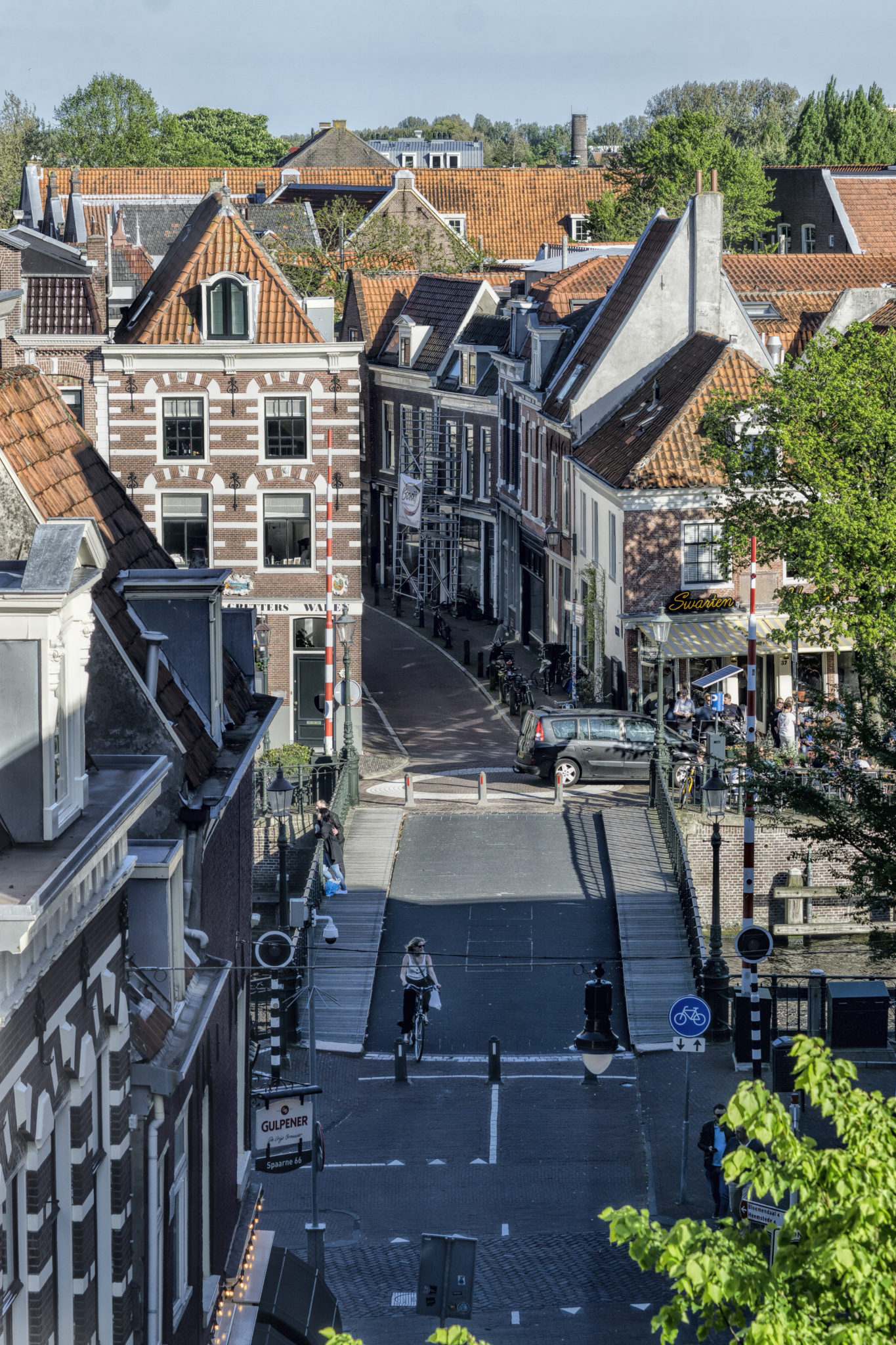

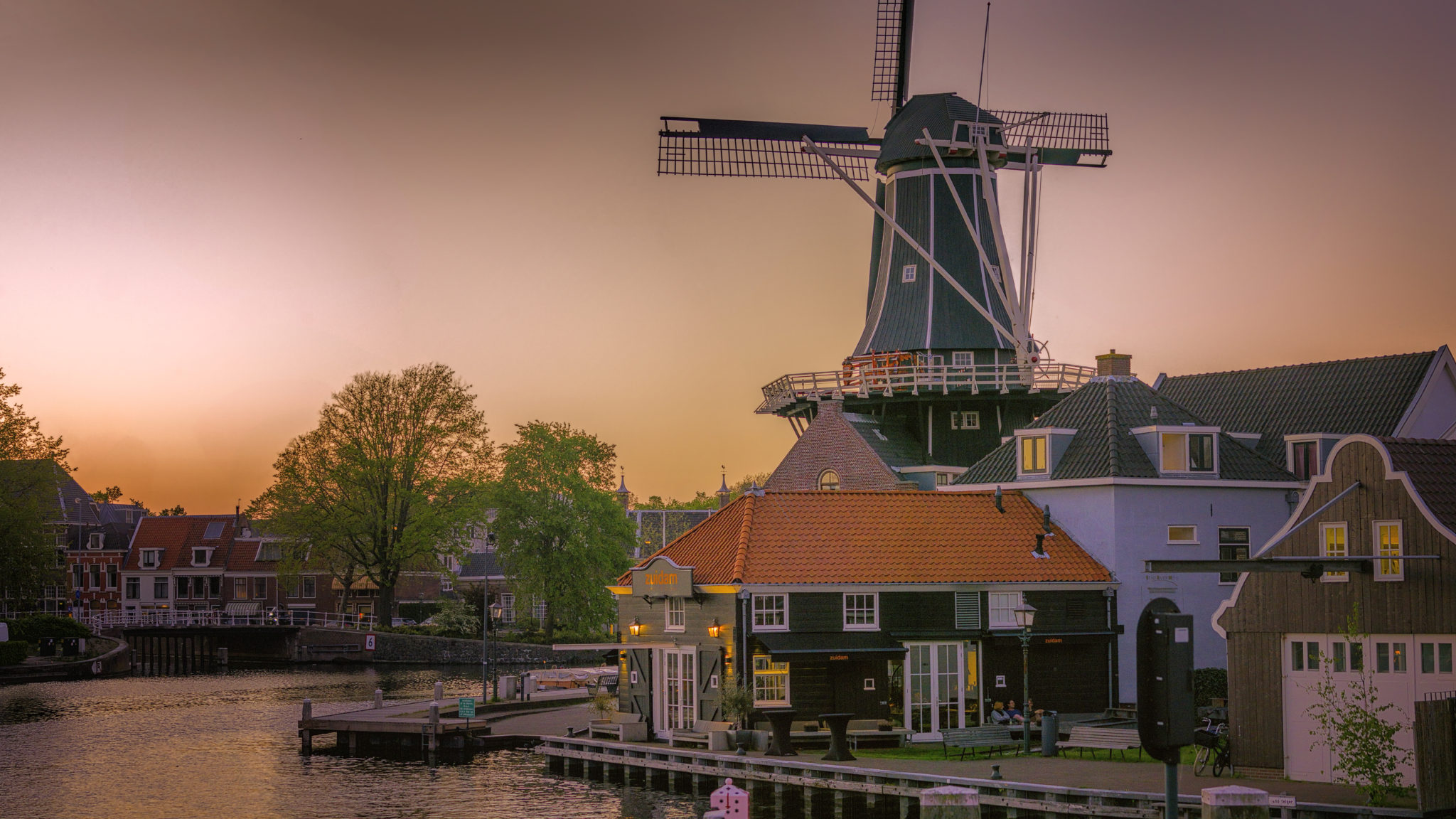

Visitors to Haarlem will soon discover just why the city is so adored by locals. The city’s lovely shopping streets – lined with little boutiques – and cosy restaurants add to the allure. Named by the Huffington Post, as one of the “10 Secret European Spots You’ll Want To Visit Stat” you should definitely include Haarlem on your European itinerary!

5th day: Haarlem- Tulip Fields- Keukenhof
(Haarlem to Keukenhof, 20km cycling)
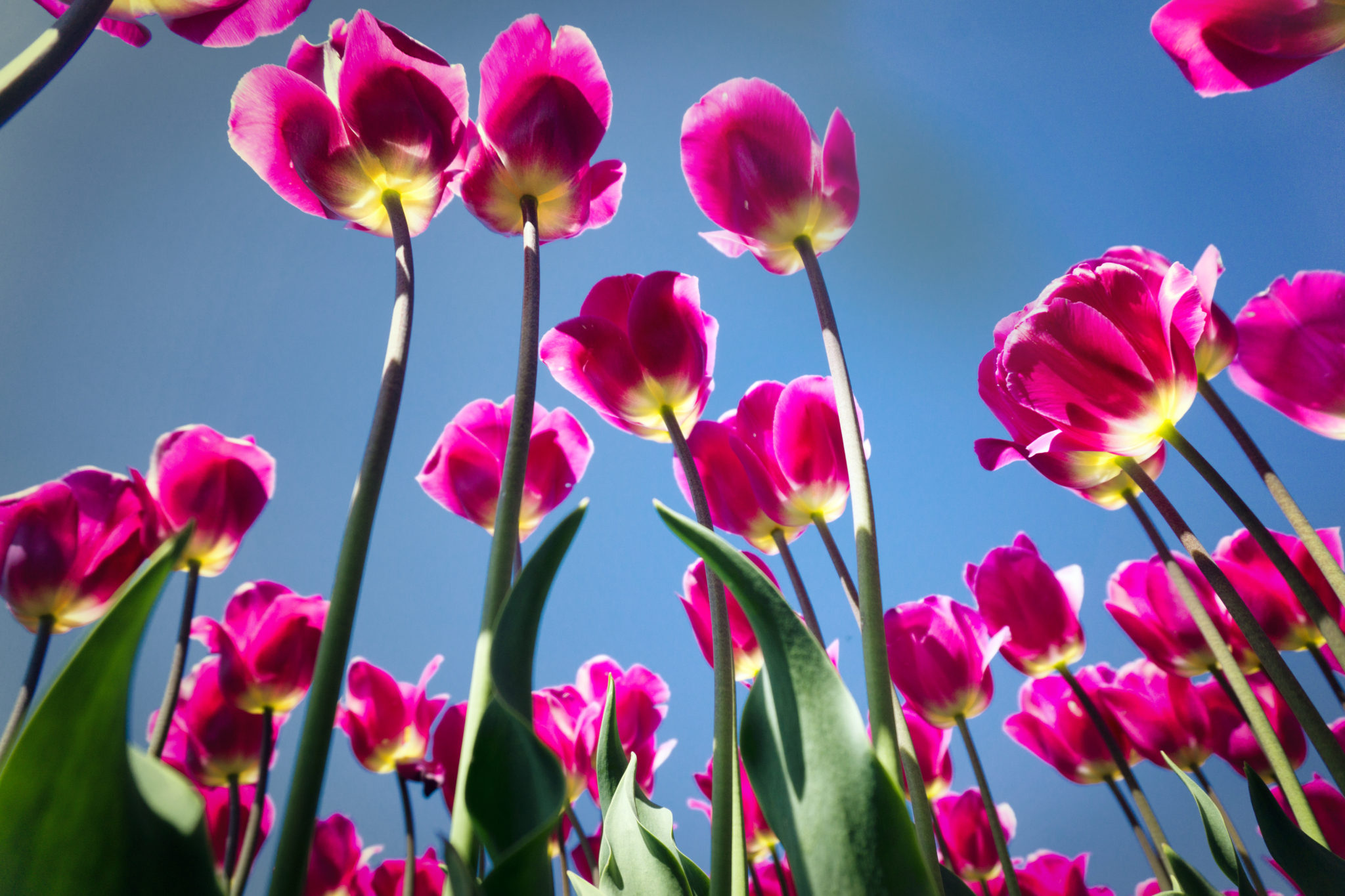

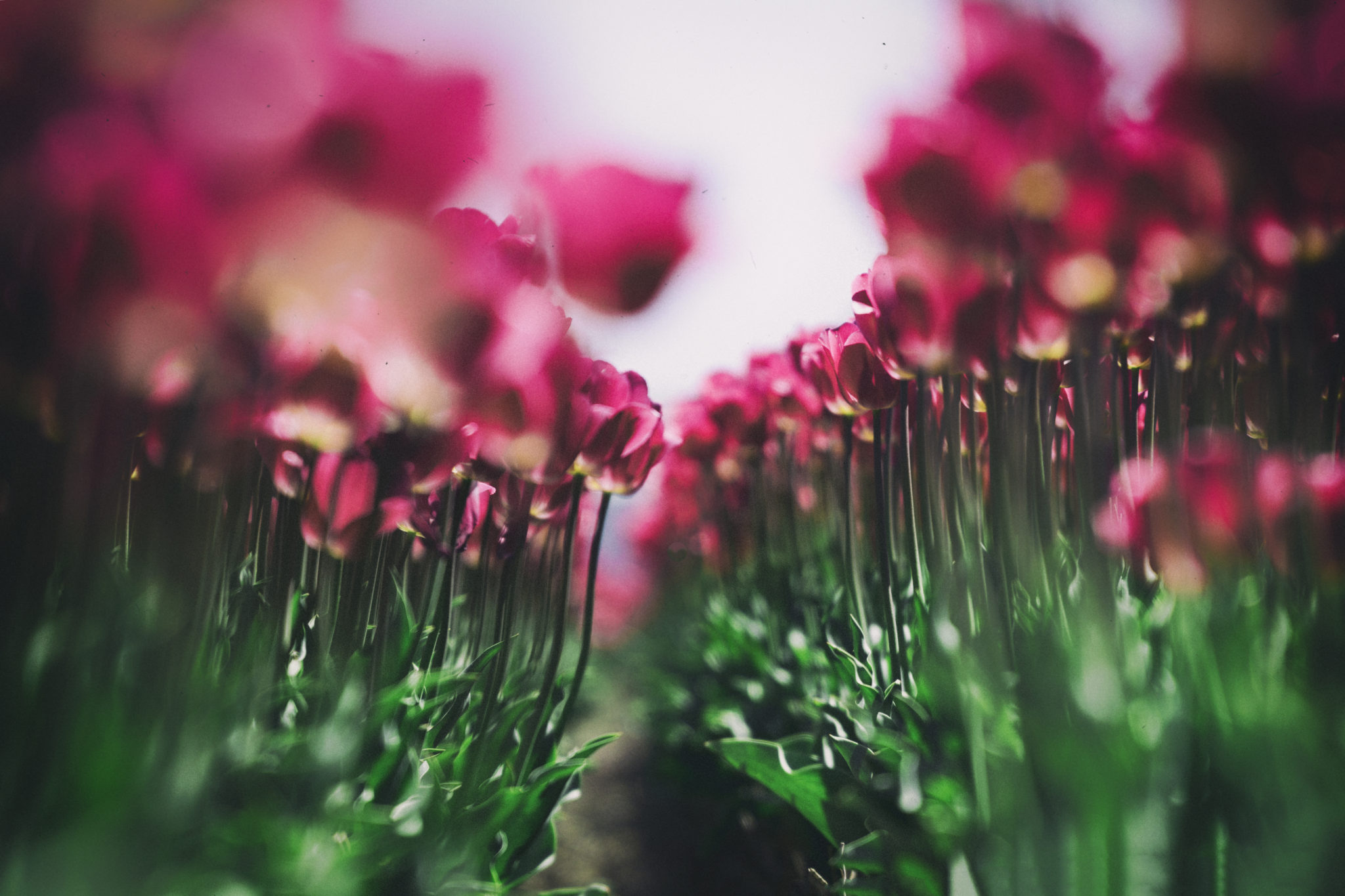
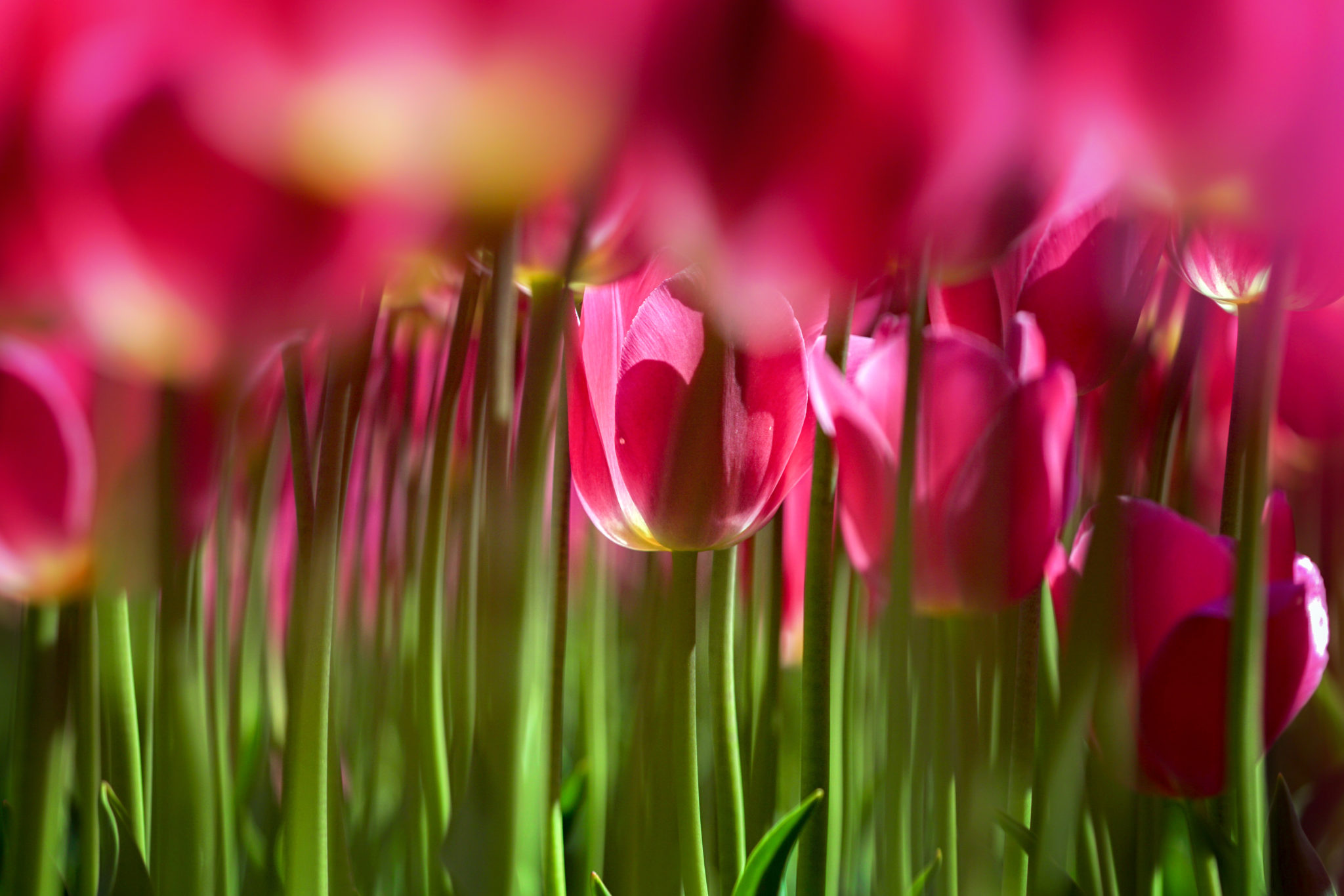
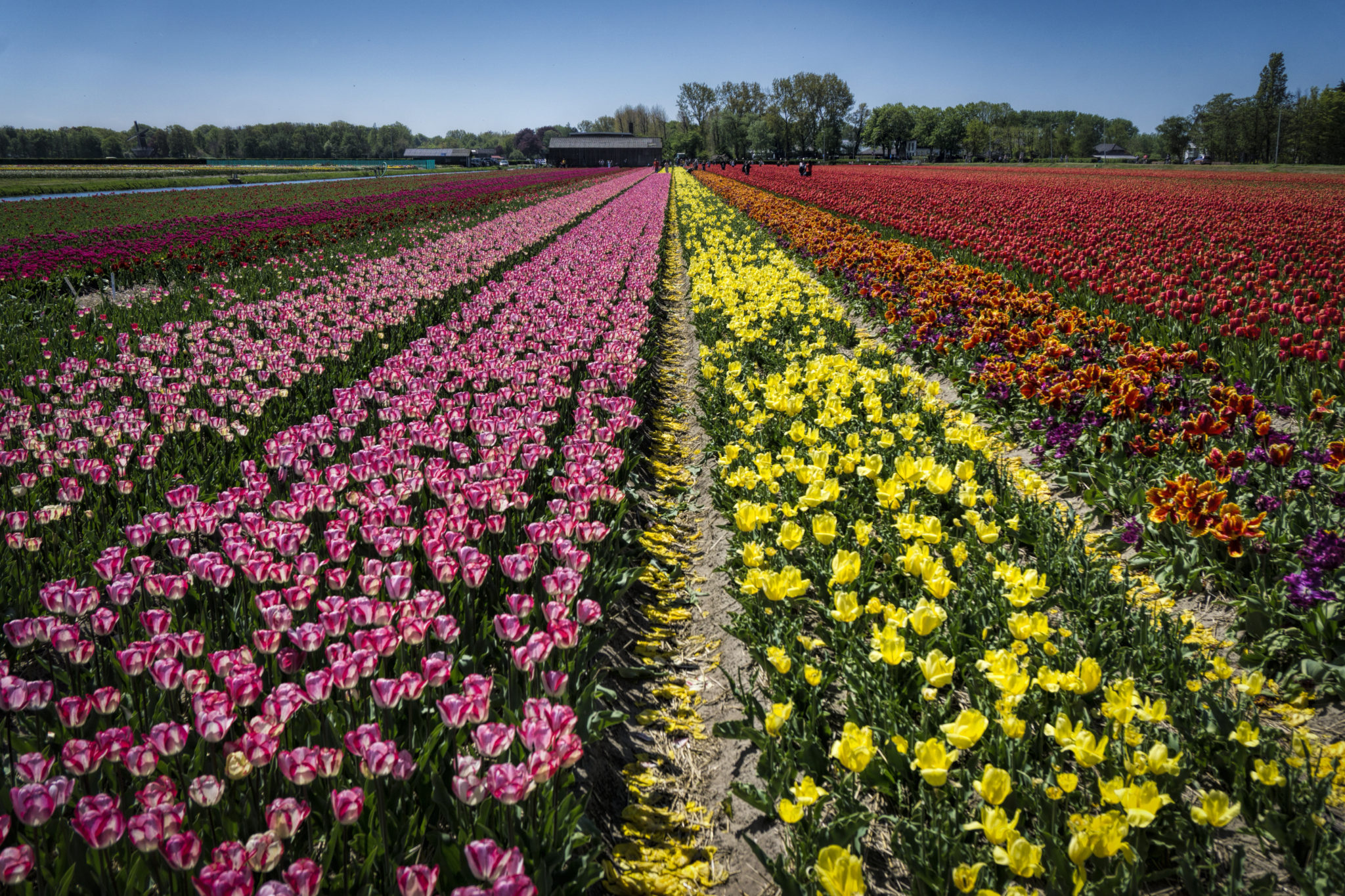
Haarlem is at the center of the Dutch flower-growing district and is a main export point for flower bulbs. Not far from the famous Keukenhof gardens and flower fields of Lisse and Hillegom, the city is a great base for visitors to the Netherlands to see the tulips in full bloom.

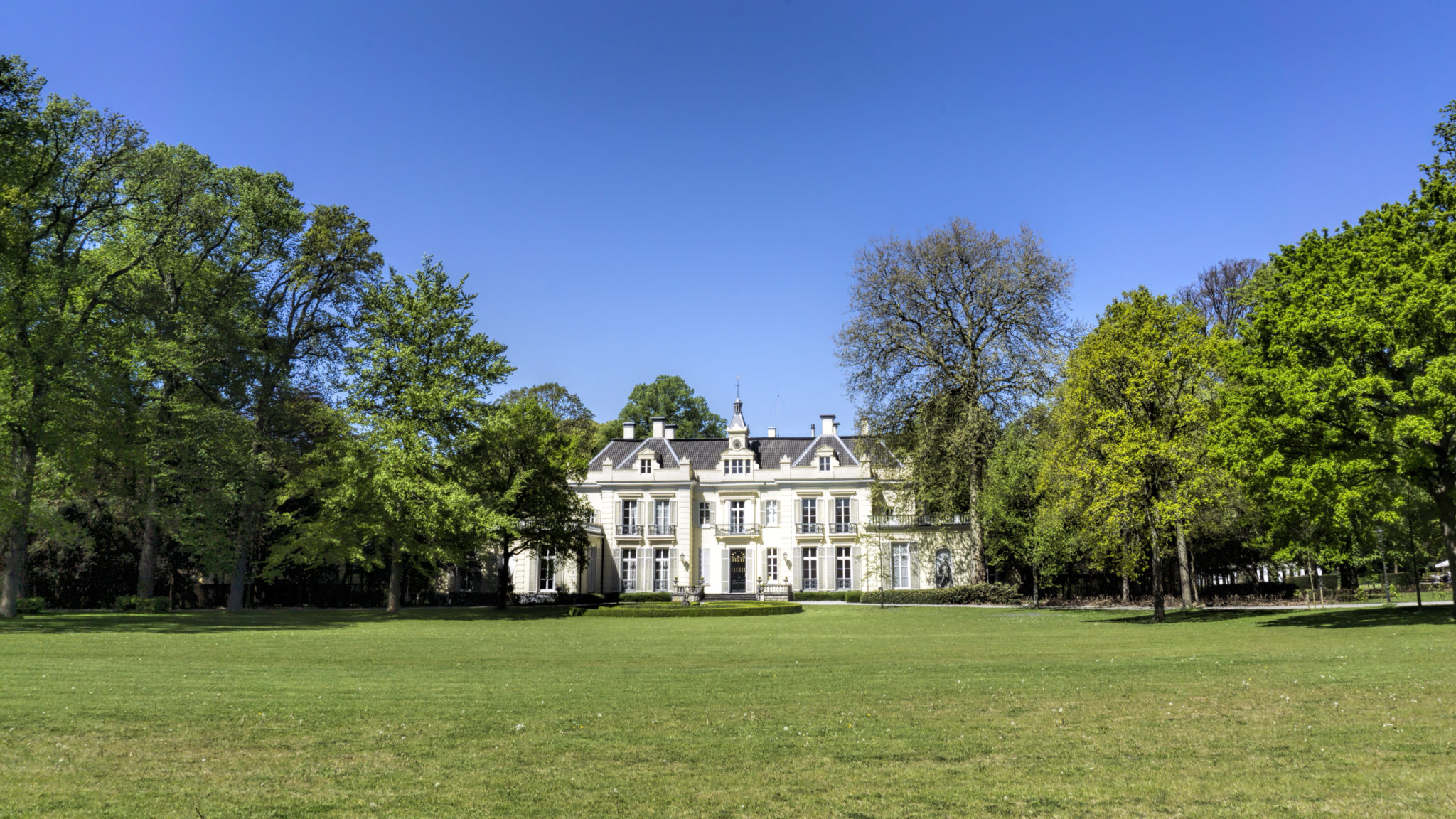

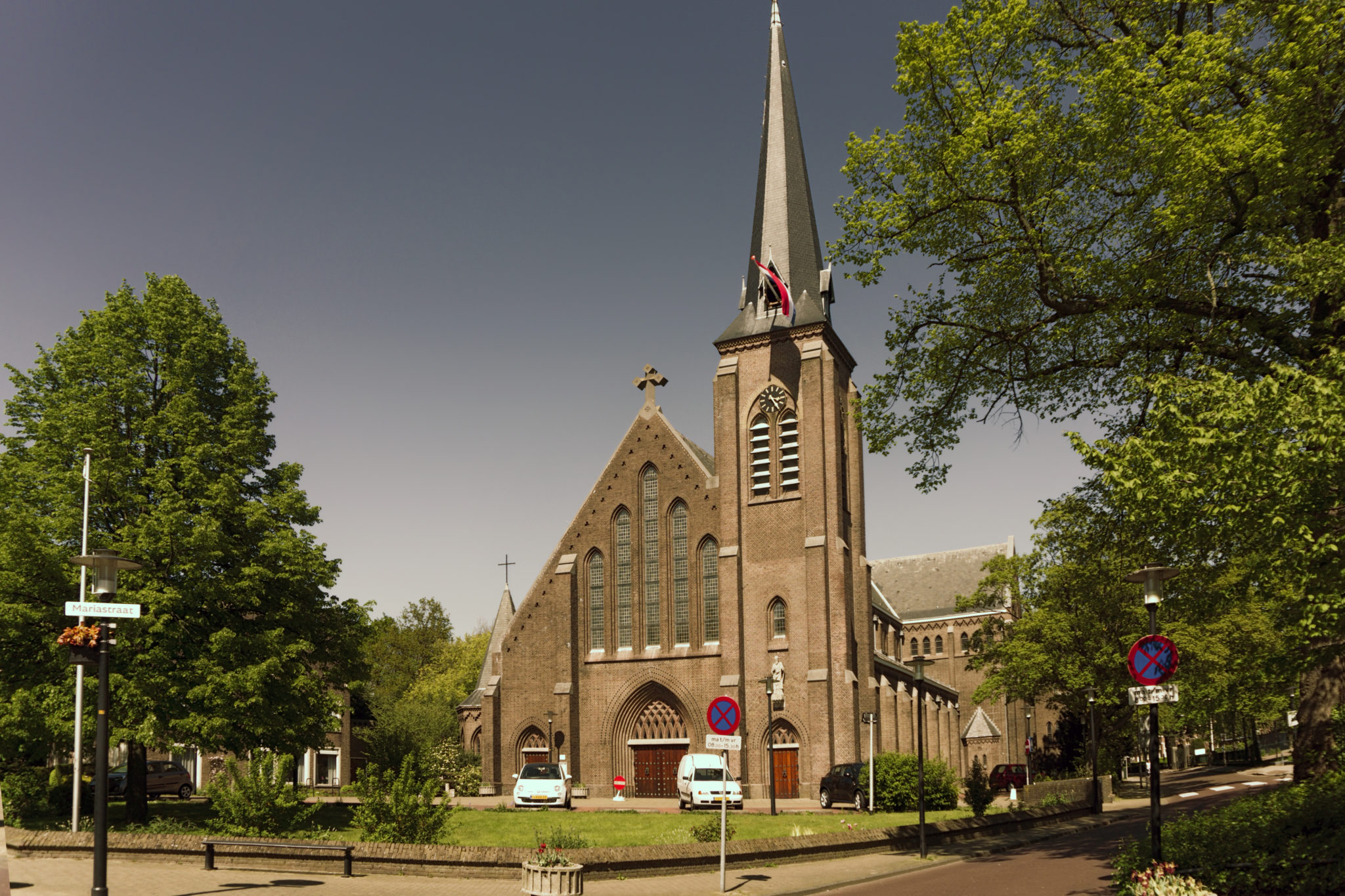

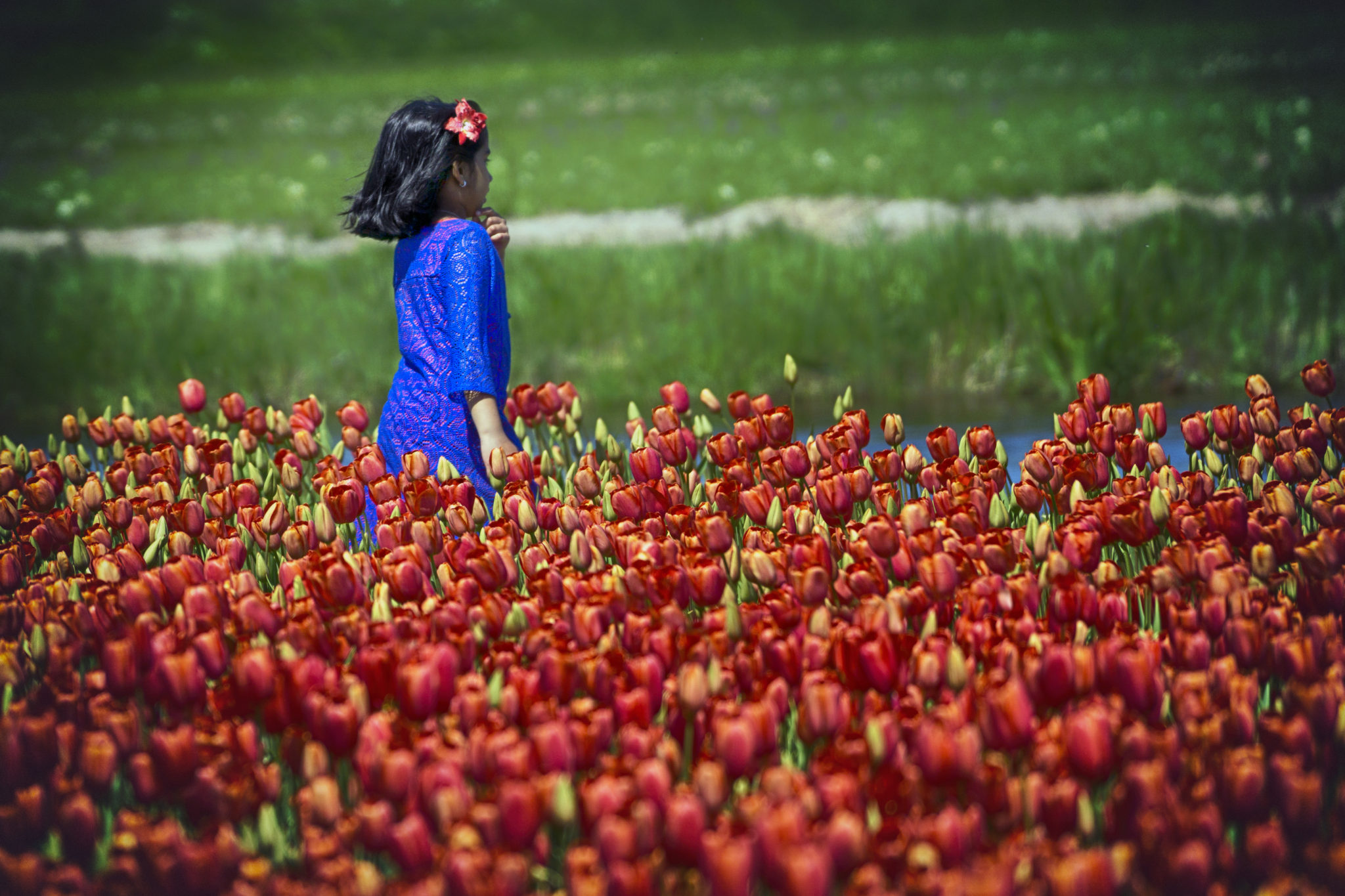

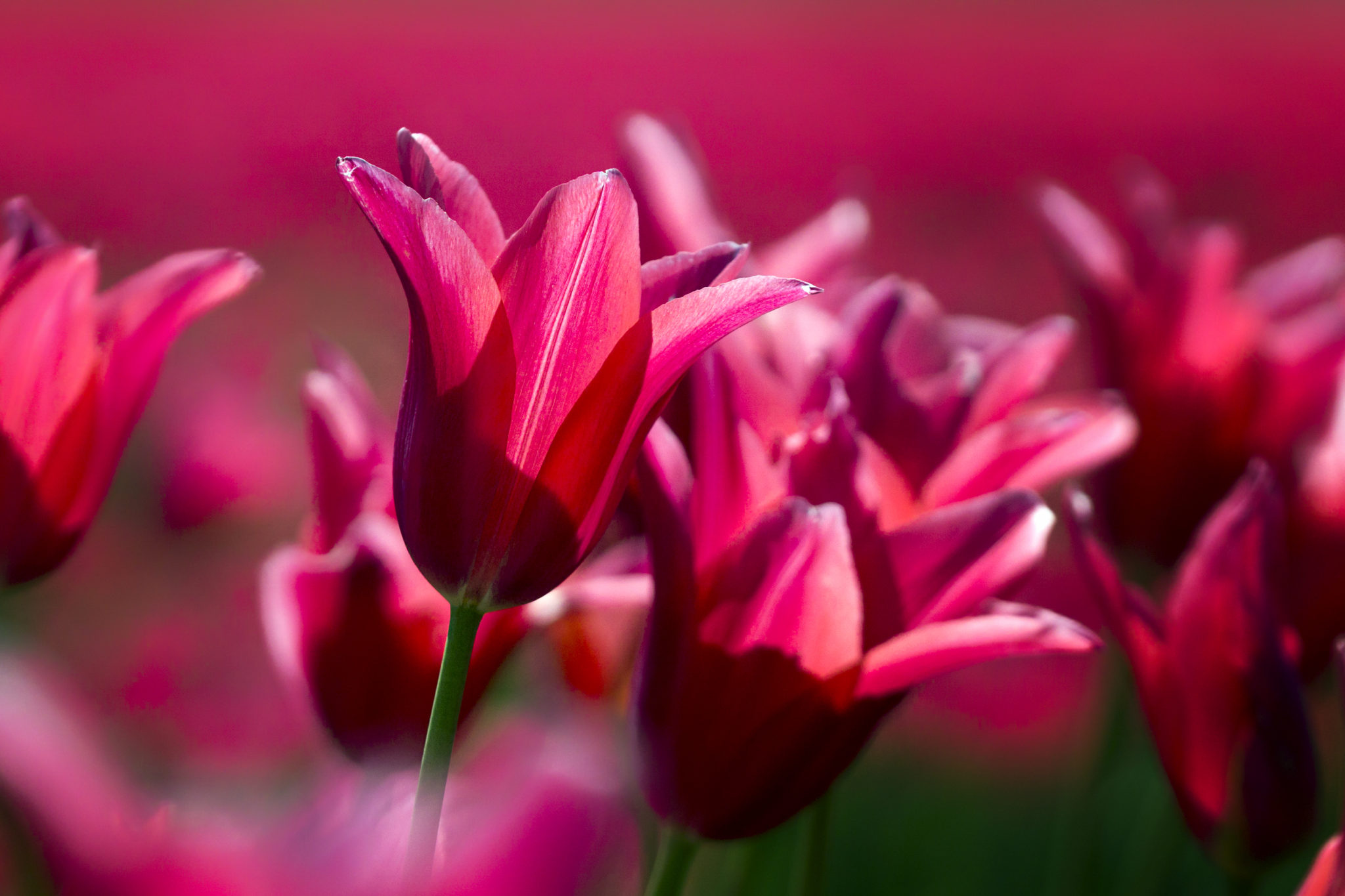

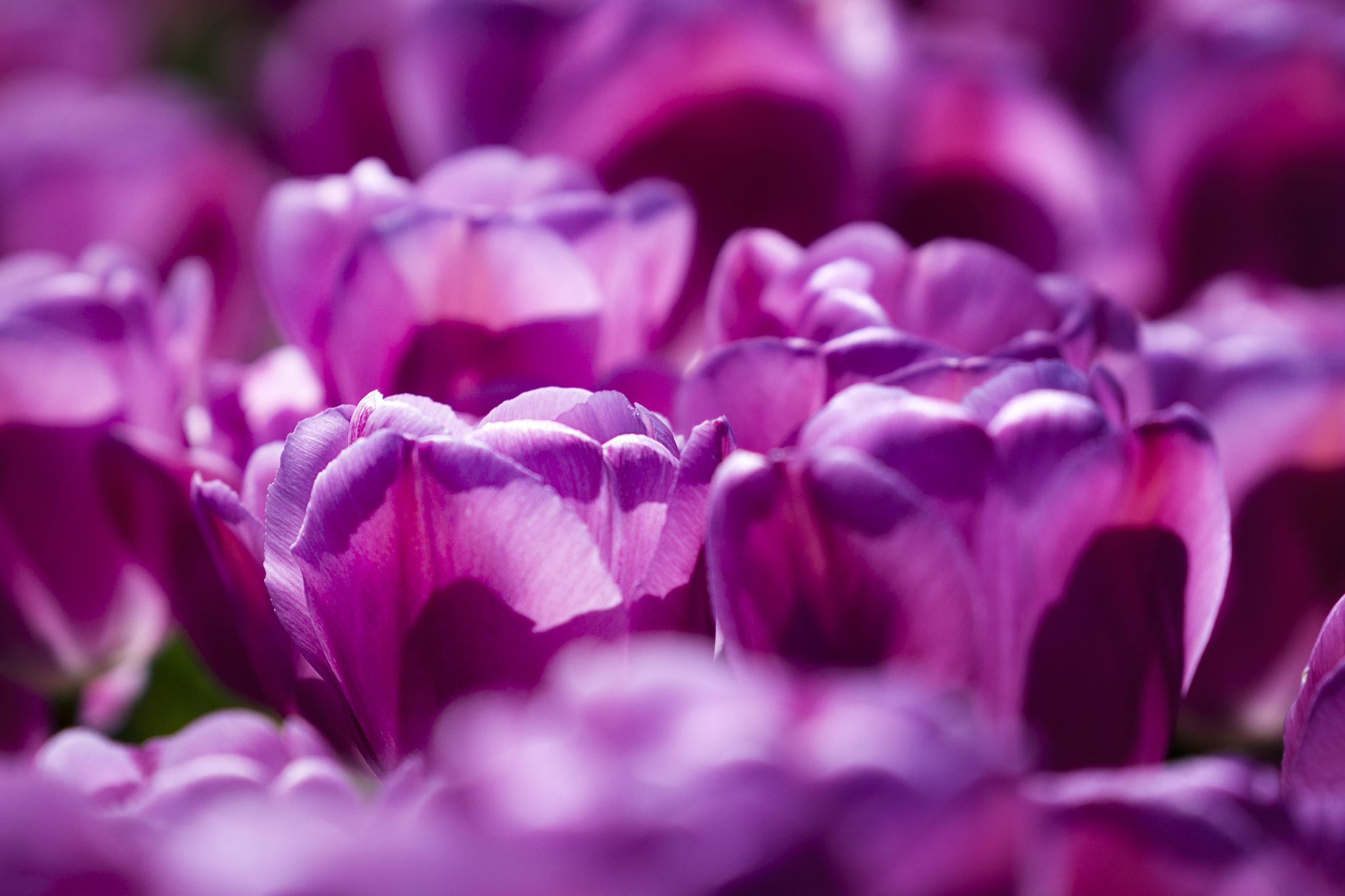

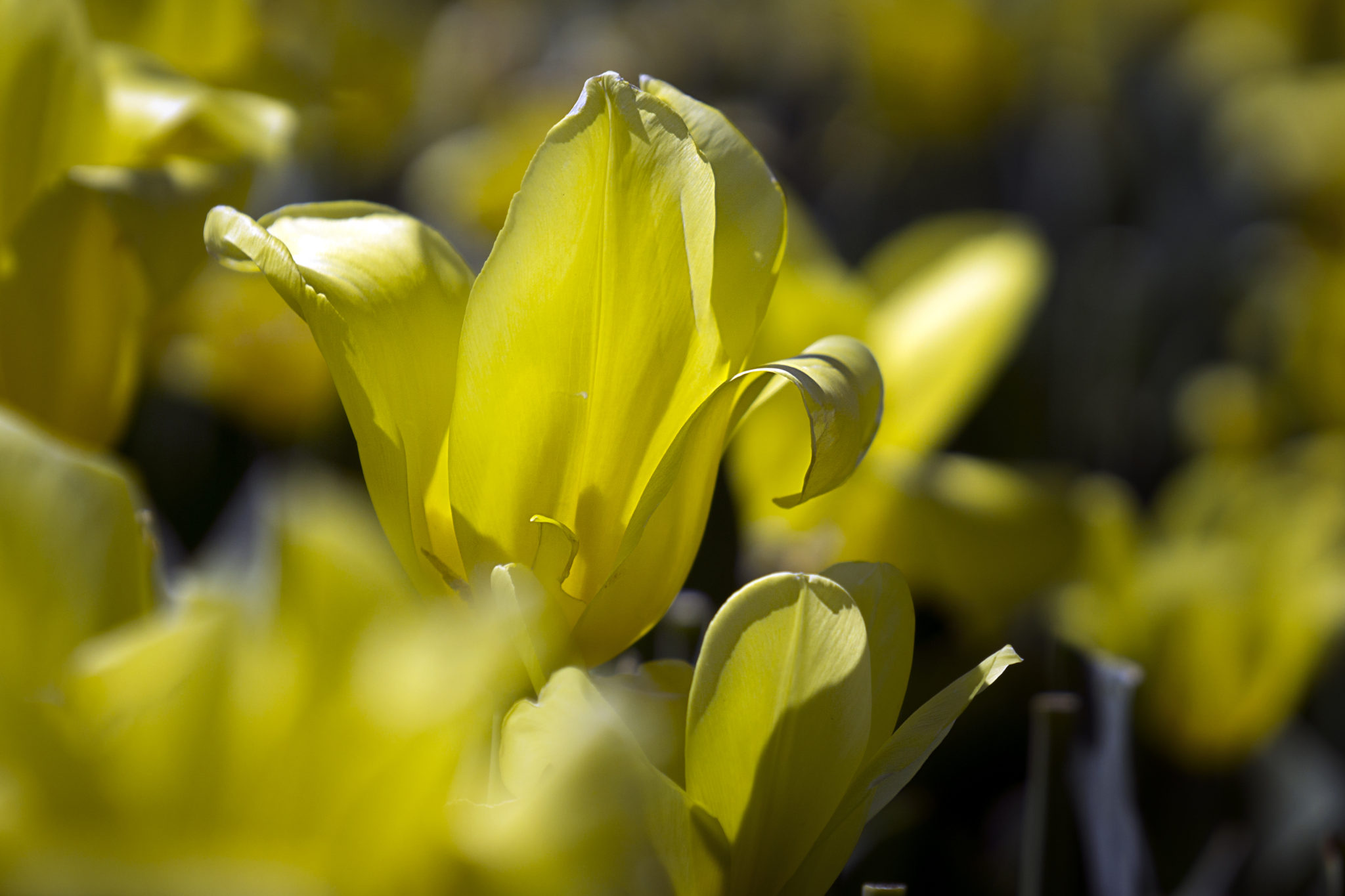

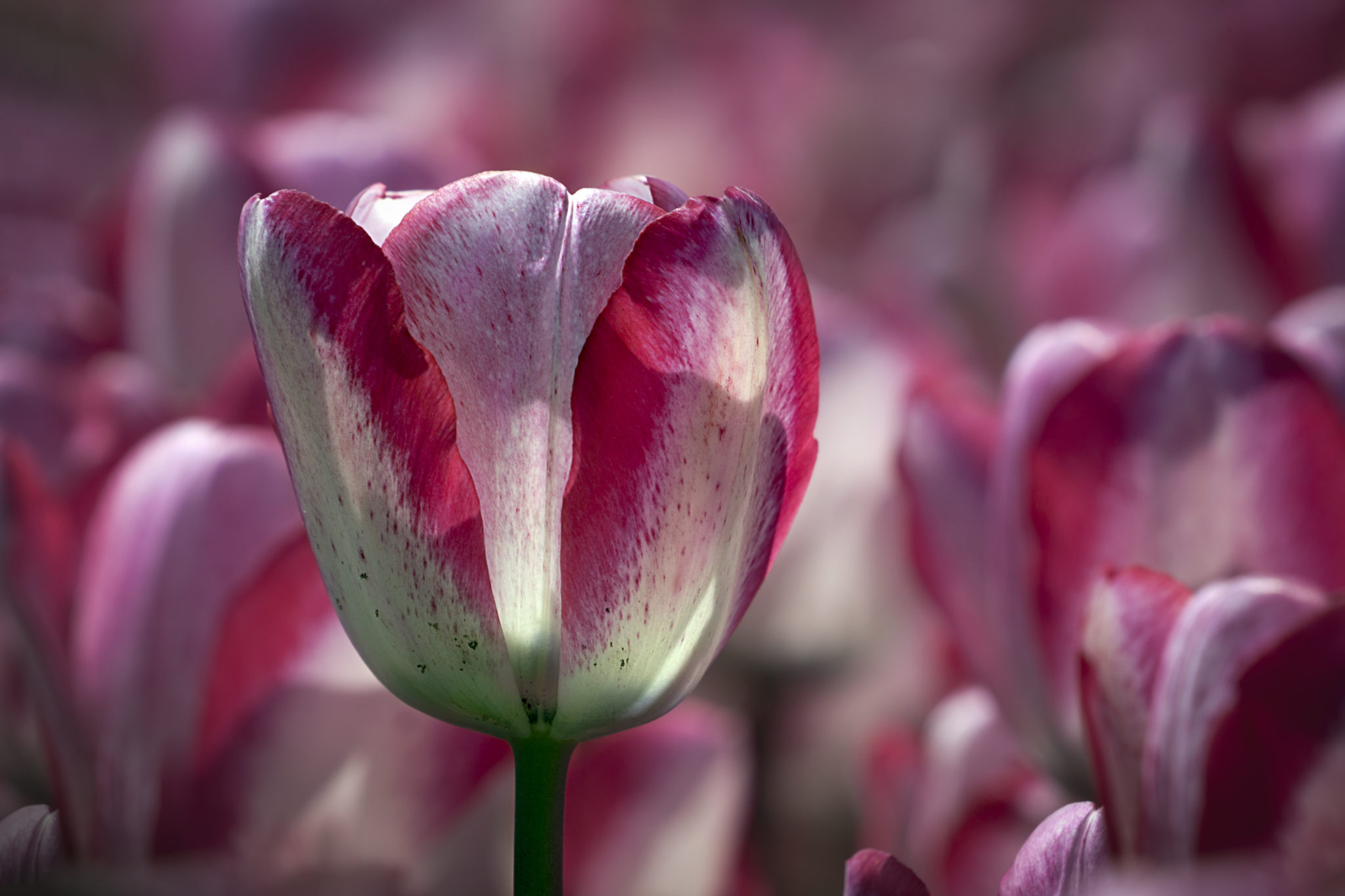

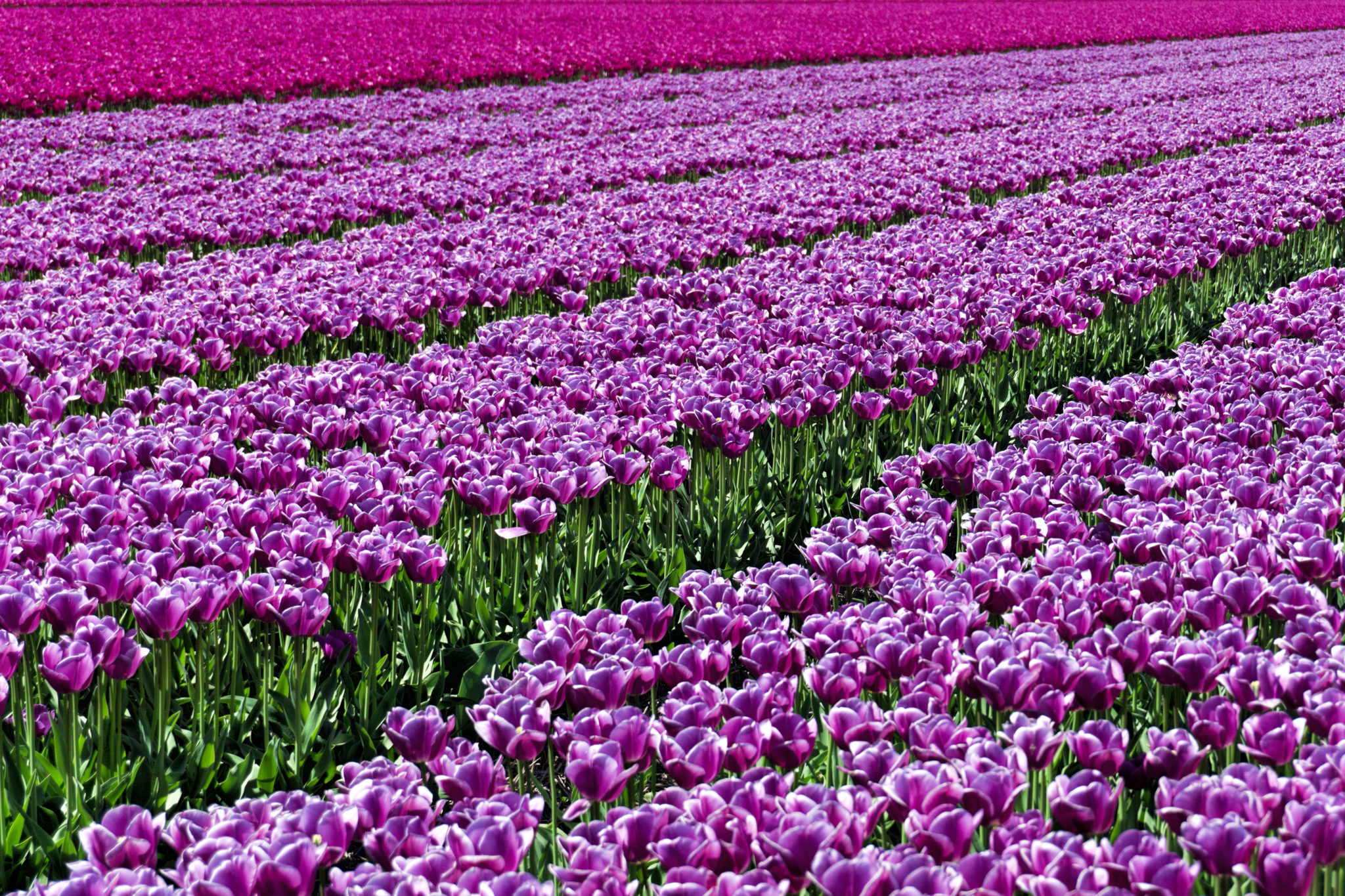
There are large bulb fields north and south of Haarlem, which draw hundreds of thousands of tourists every spring. Just a 15 minute bicycle ride will take you from the city center of Haarlem to the colorful bulb fields where you will find yourself surrounded by millions of tulips, crocuses, daffodils and hyacinths.




Keukenhof
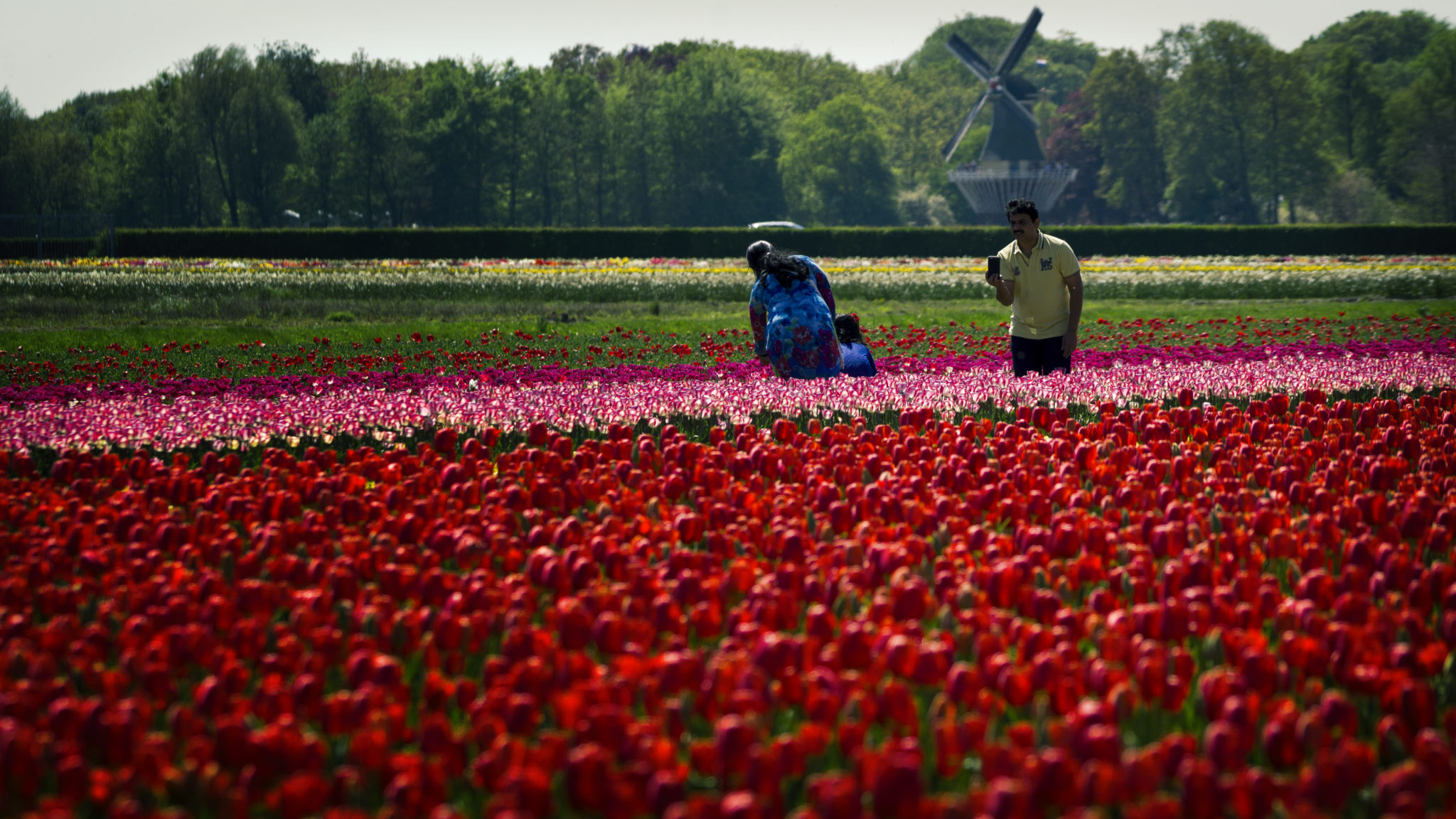

The Keukenhof in Lisse is the world’s most famous flower bulb park. If you are up for a sportive challenge, rent a bike to ride the twenty kilometers to Keukenhof park through the loveliest flowering fields. Expect to spend at least an hour on your bike, although it is likely to take you longer because you will want to stop to take some photographs.
6th day: Haarlem- Den Haag- Delft- Rotterdam
(Haarlem to Madurodam 48km cycling, Madurodam to Hague 4,5km cycling, Hague to Delft 8,5km cycling, Delft to Rotterdam 15,5 km cycling)
DEN HAAG
Madurodam is a miniature park and tourist attraction in the Scheveningen district of The Hague in the Netherlands. It is home to a range of 1:25 scale model replicas of famous Dutch landmarks, historical cities and large developments.
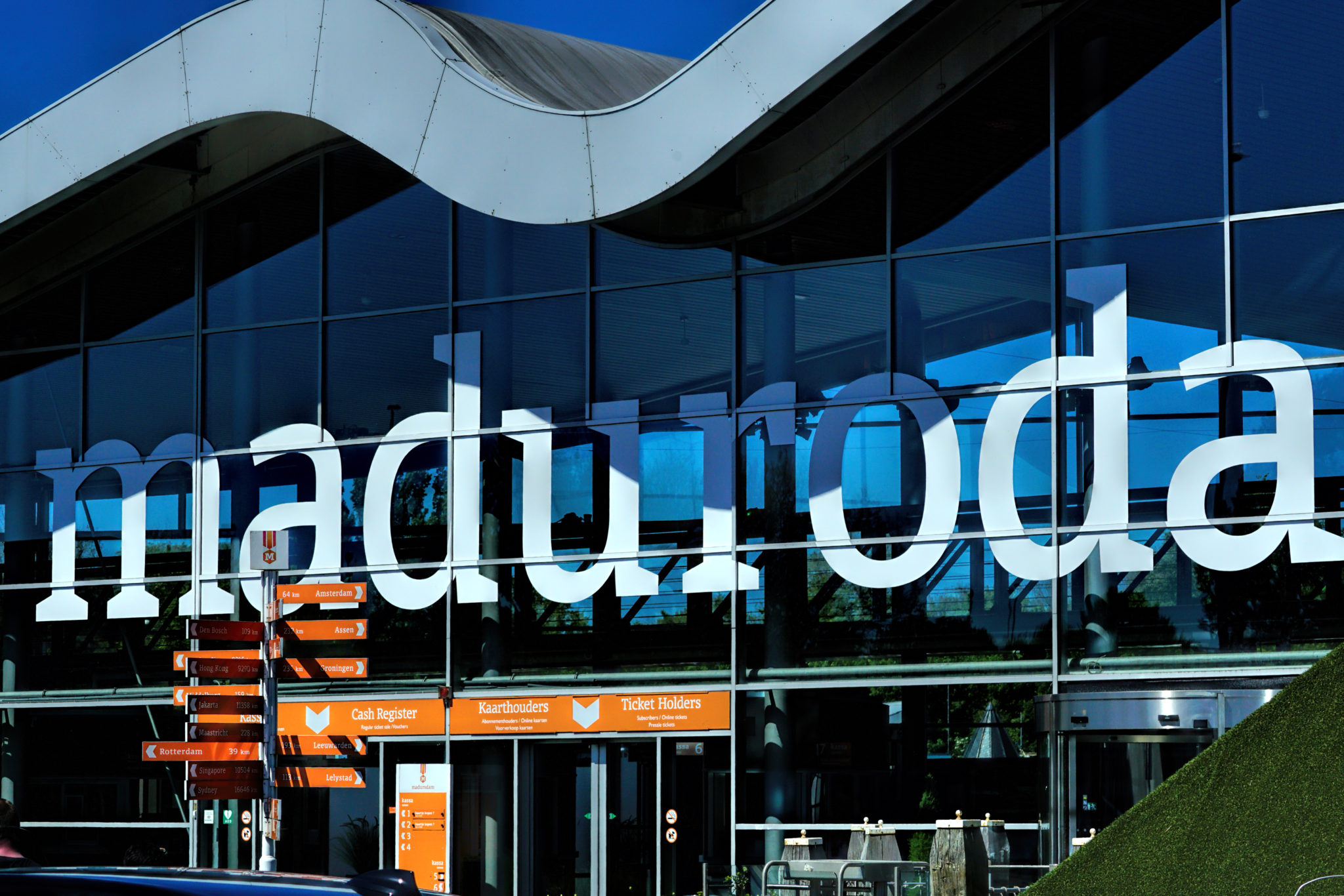

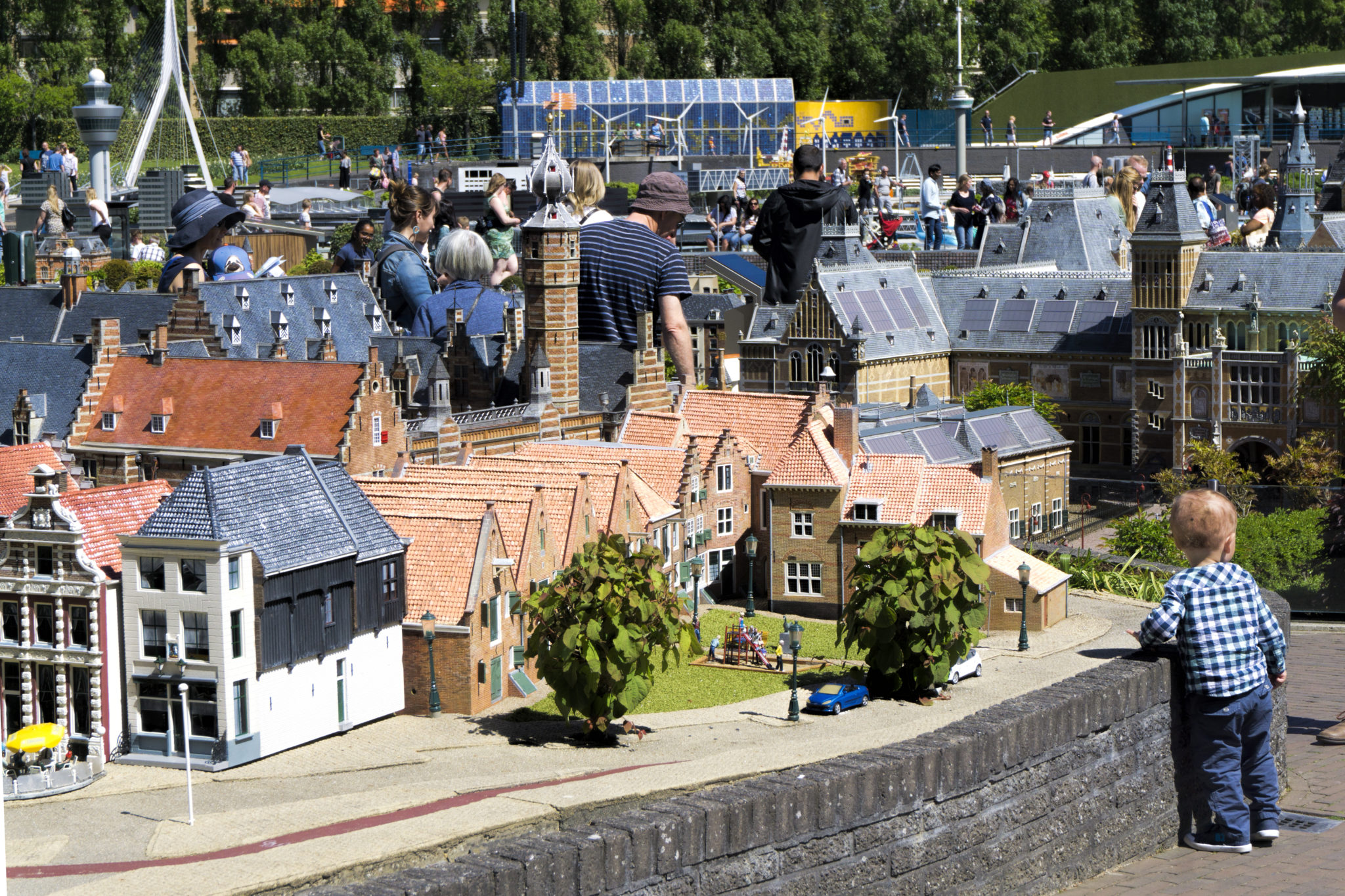

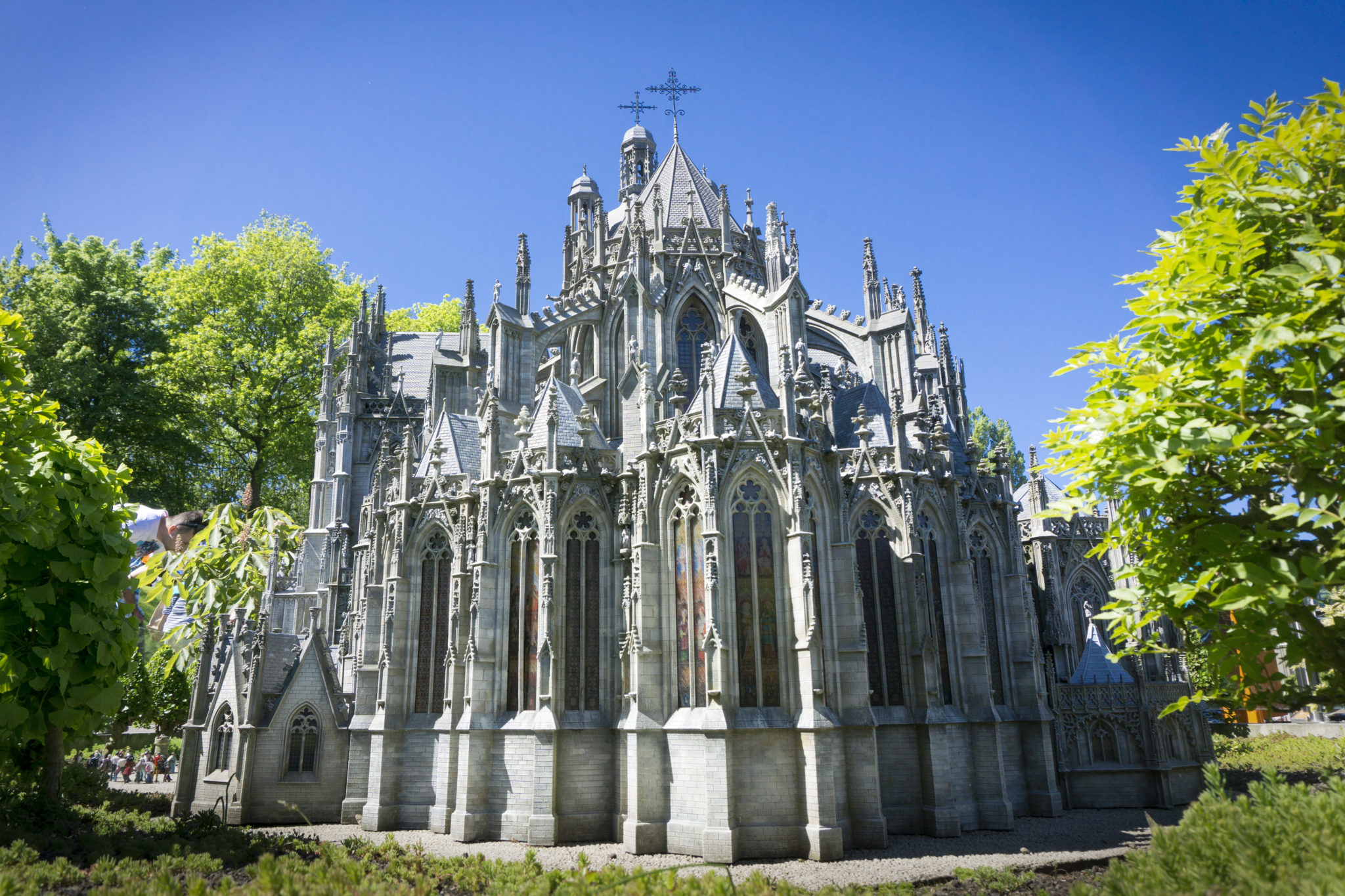

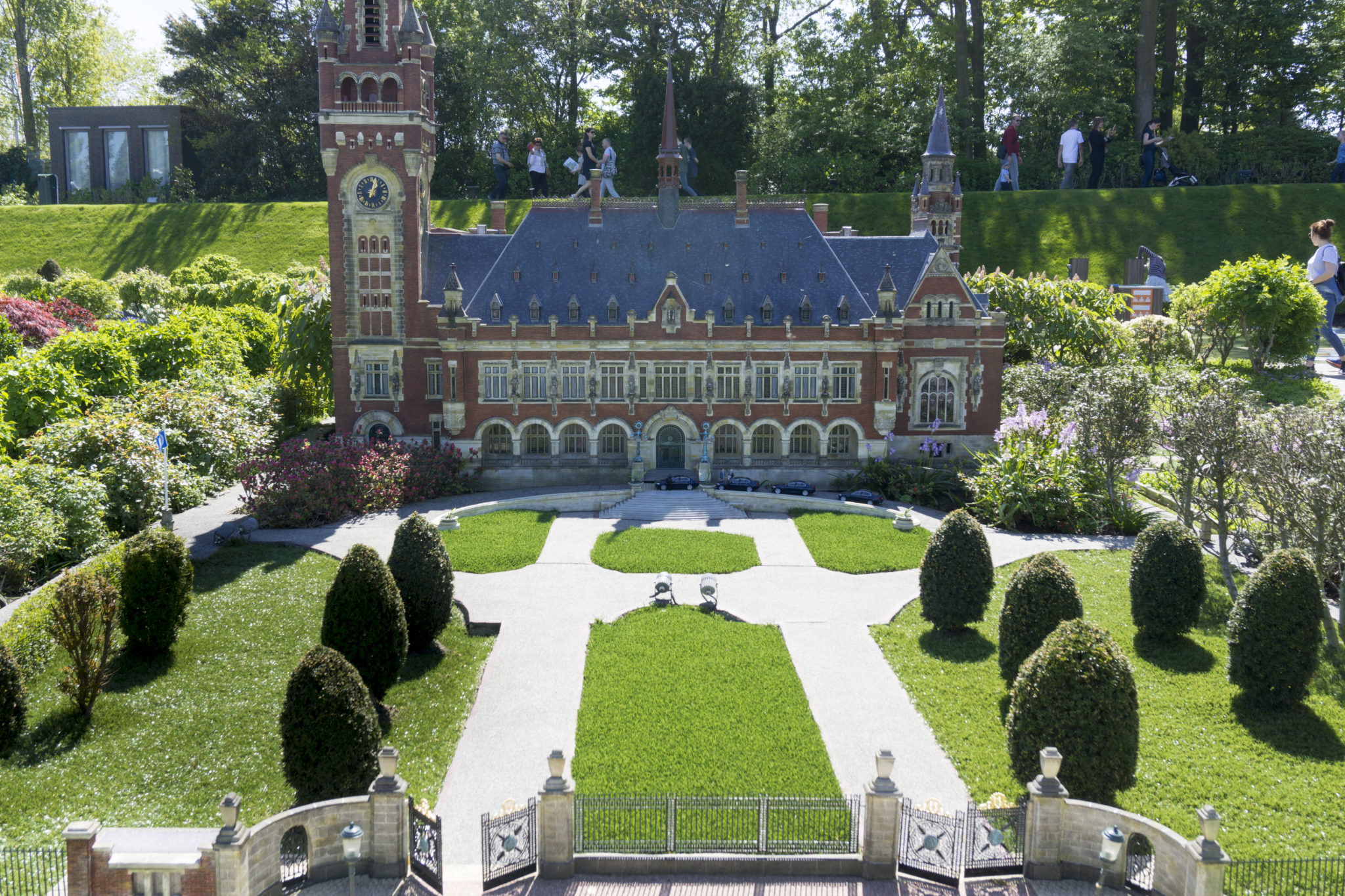

Madurodam was named after George Maduro, a Jewish law student from Curaçao who fought the Nazi occupation forces as a member of the Dutch resistance and died at Dachau concentration camp in 1945. In 1946, Maduro was posthumously awarded the Medal of Knight Fourth class of the Military Order of William, the highest and oldest military decoration in the Kingdom of the Netherlands, for the valor he had demonstrated in the Battle of the Netherlands against German troops.
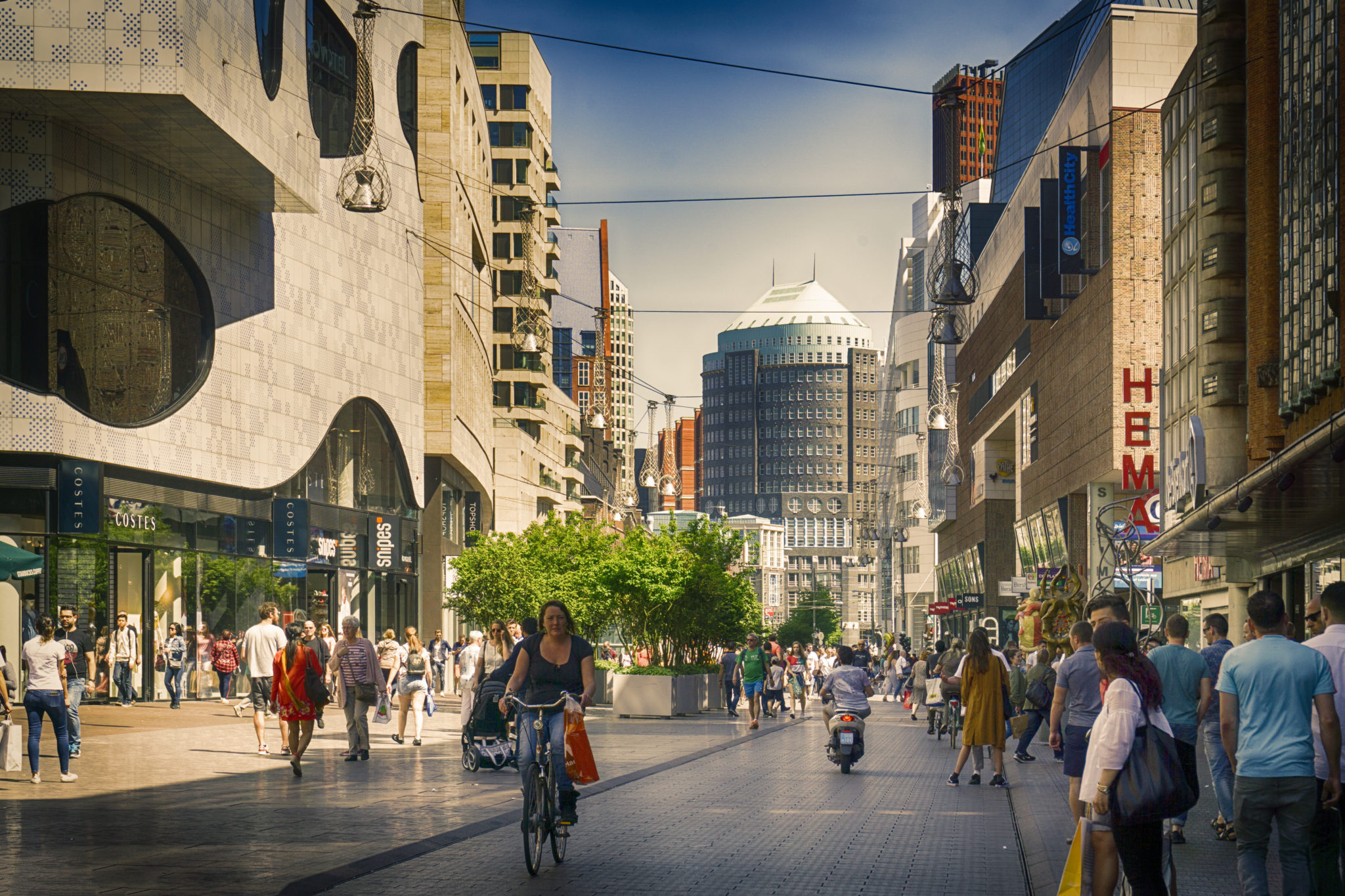
The Hague is a city on the western coast of the Netherlands and the capital of the province of South Holland. With a metropolitan population of more than 1 million, it is the third-largest city in the Netherlands.


DELFT
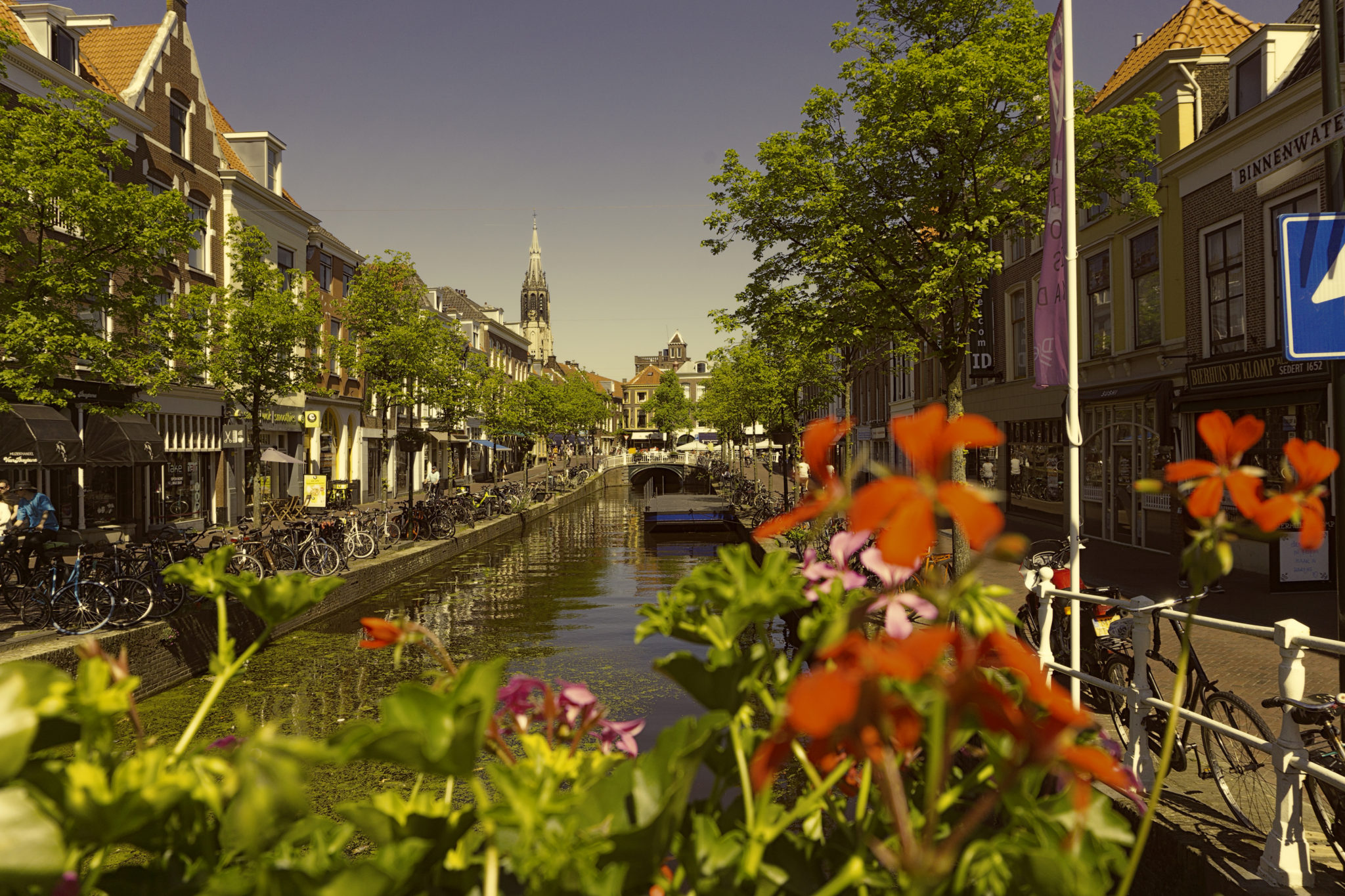

The exquisite medieval center of Delft is a hugely popular Dutch day-trip destination, with visitors flocking to stroll its narrow, canal-lined streets. Golden Age painter Johannes Vermeer was born in Delft and lived his whole life here – his View of Delft is an enigmatic, idealized vision of the town.
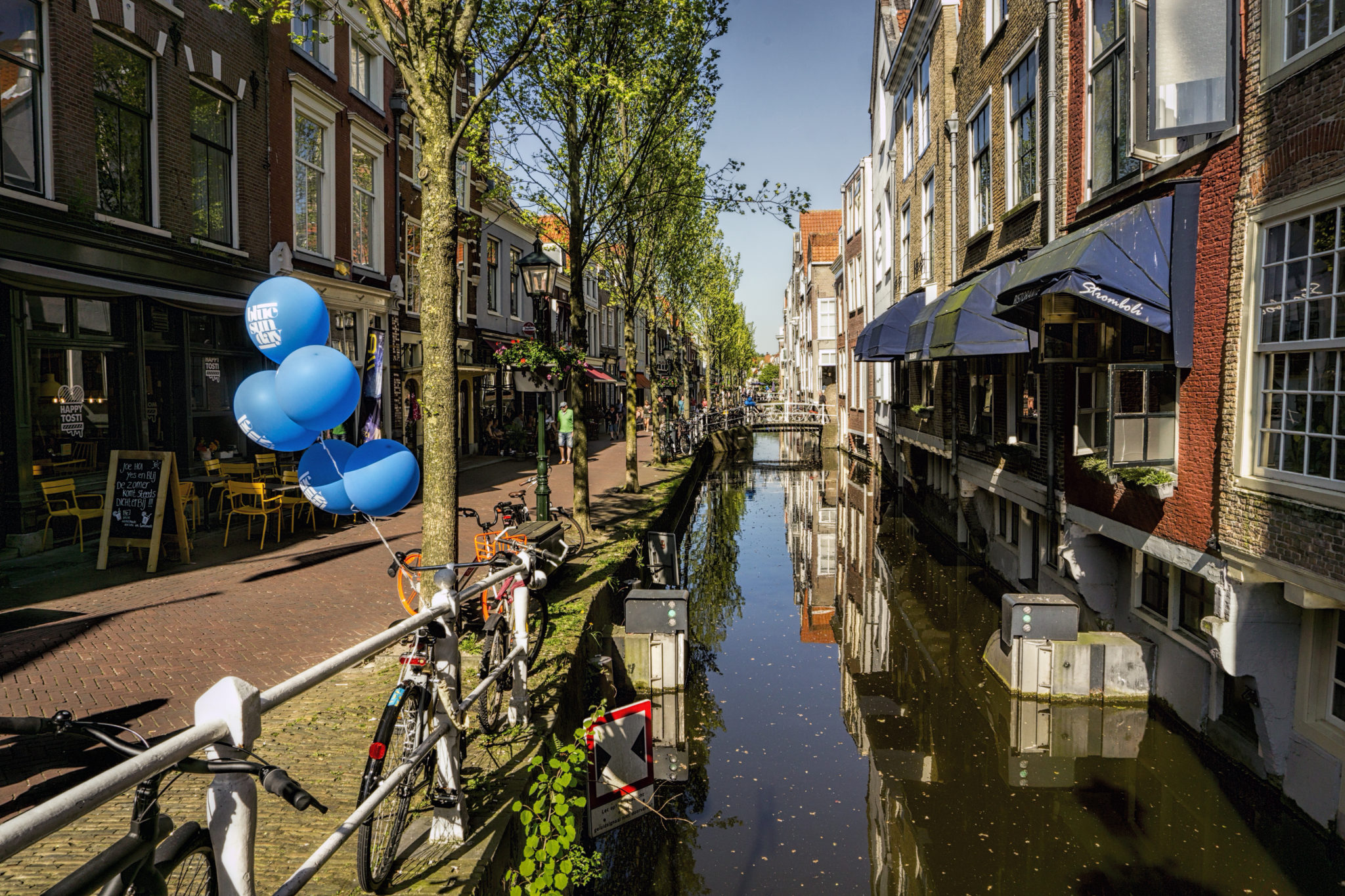

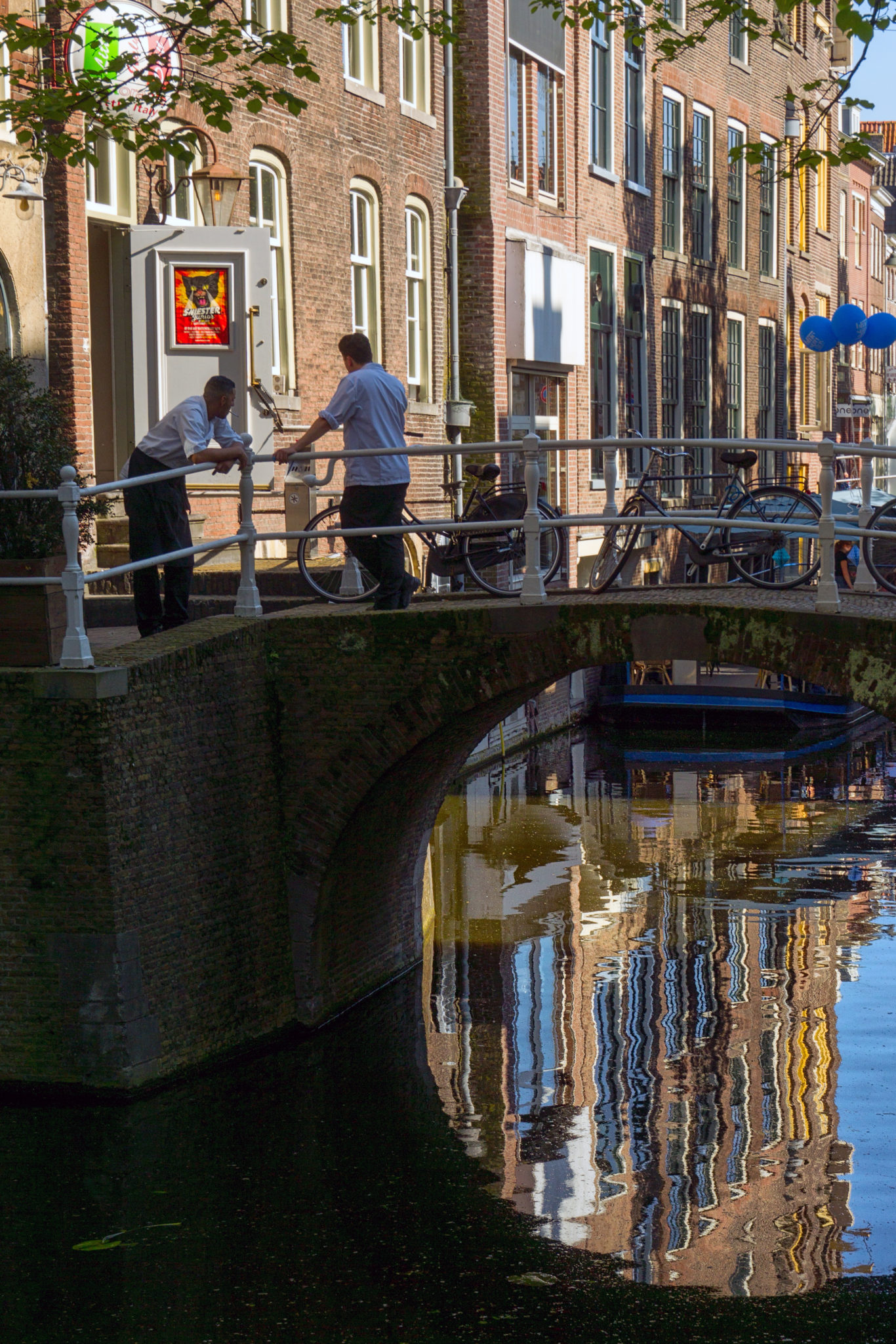

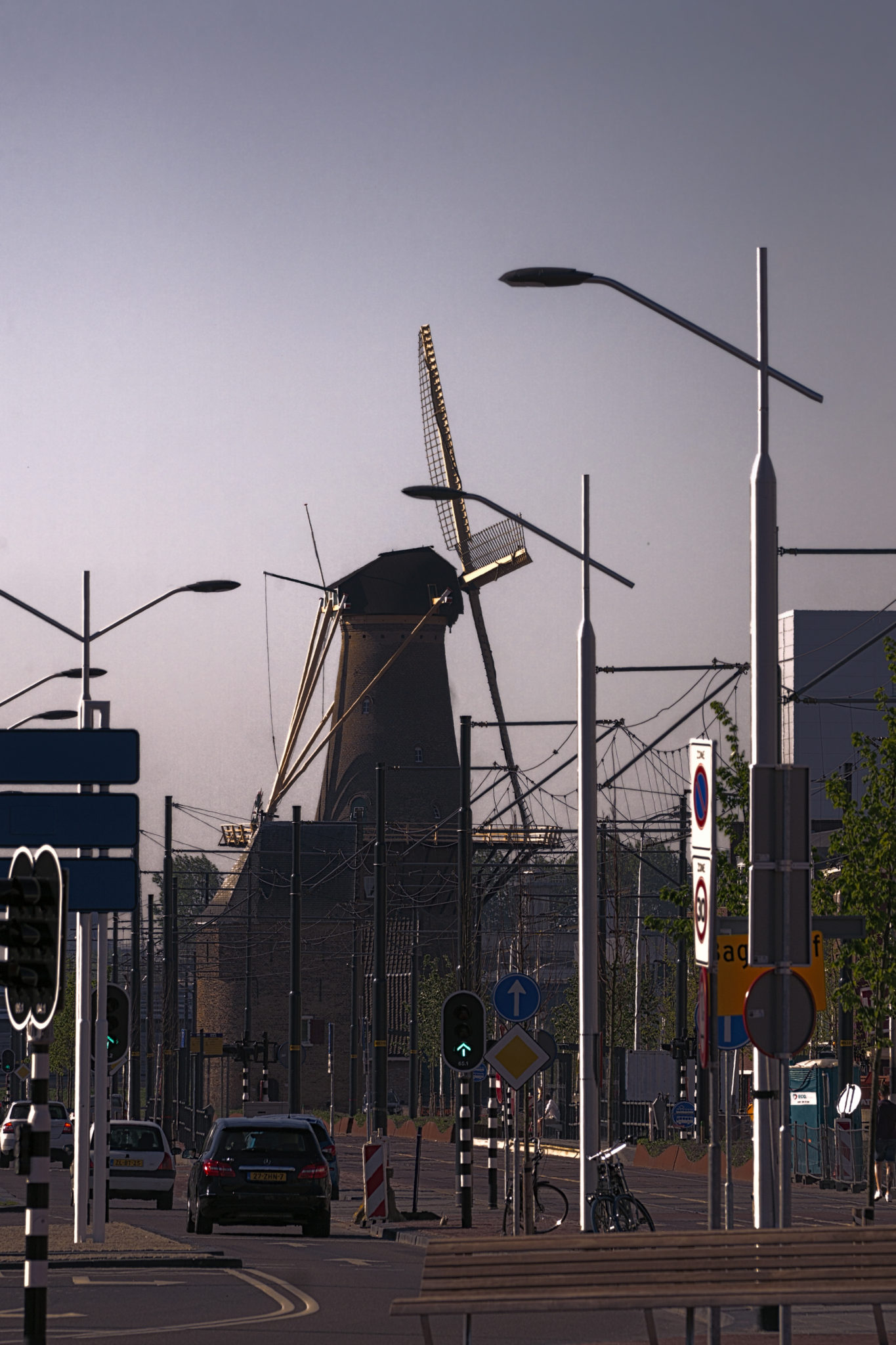

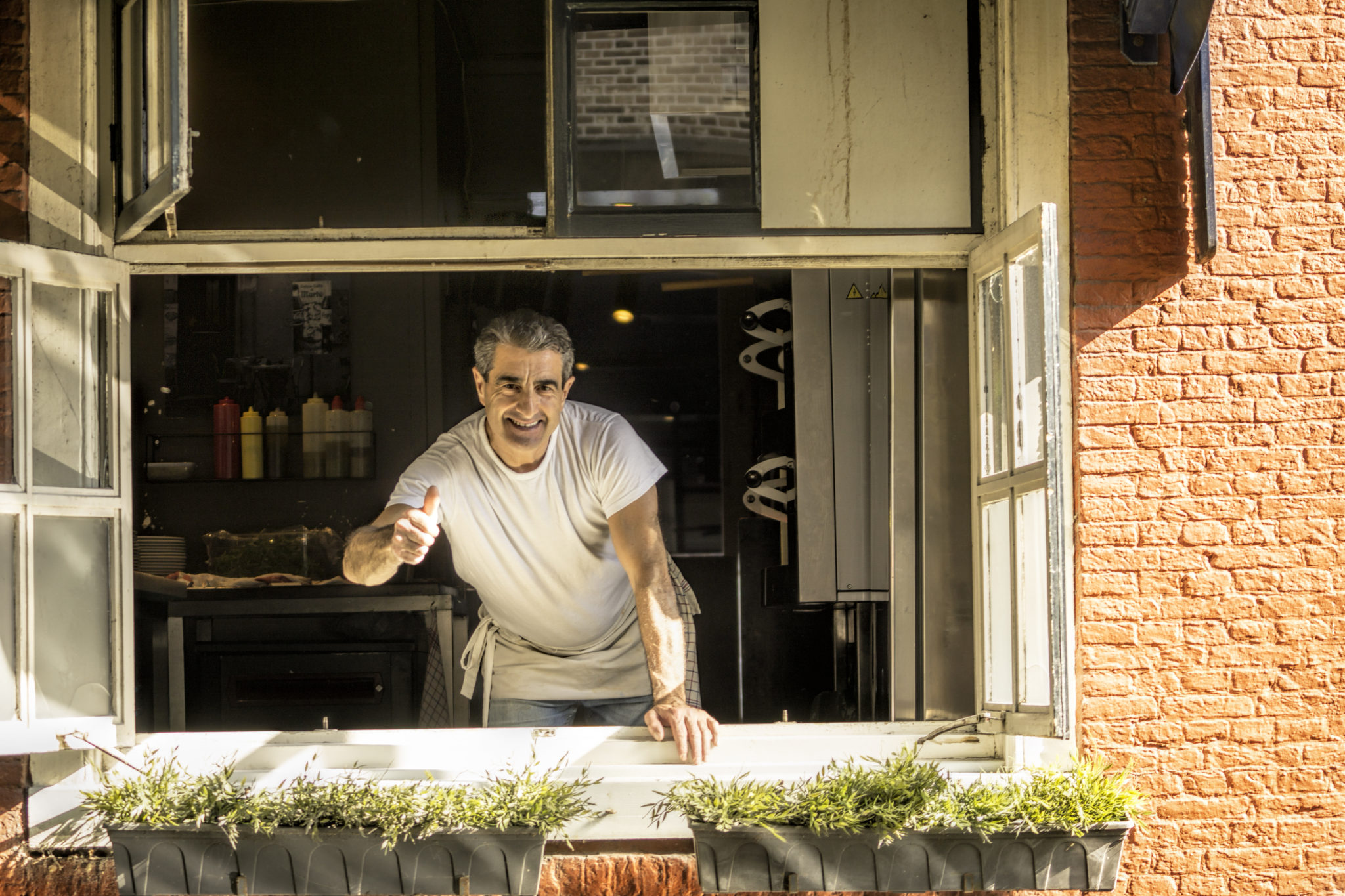

Delft is synonymous with its famous Delftware, the distinctive blue-and-white pottery originally duplicated from Chinese porcelain by 17th-century artisans.
Founded around 1100, Delft grew rich from weaving and trade in the 13th and 14th centuries. In the 15th century a canal was dug to the Maas river, and the small port there, Delfshaven, was eventually absorbed by Rotterdam. Today it has a thriving university that is renowned for its architecture faculty.
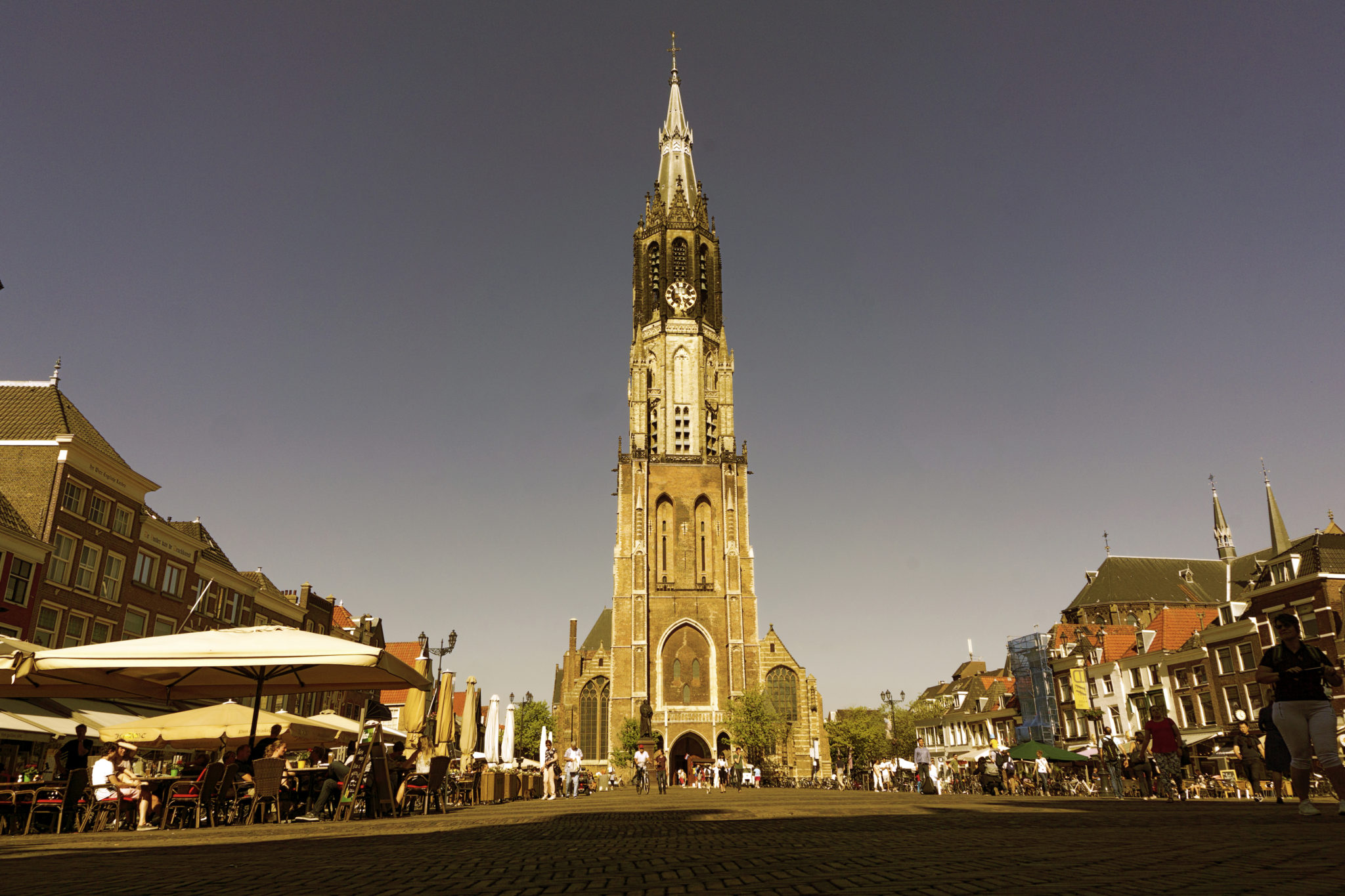

Delft’s inner city is dominated by two big churches: the Oude Kerk or Old Church with its leaning tower and beautiful stained glass windows, and the Nieuwe Kerk or New Church with its rich history and connection to the Royal Family. The churches are within easy walking distance of each other and can be visited on the same ticket.
7th day: Rotterdam-Kinderdijk- Eindhoven Airport
(Rotterdam-Kinderdijk, 16km cycling, Rotterdam to Eindhoven Airport by train and bus)
ROTTERDAM
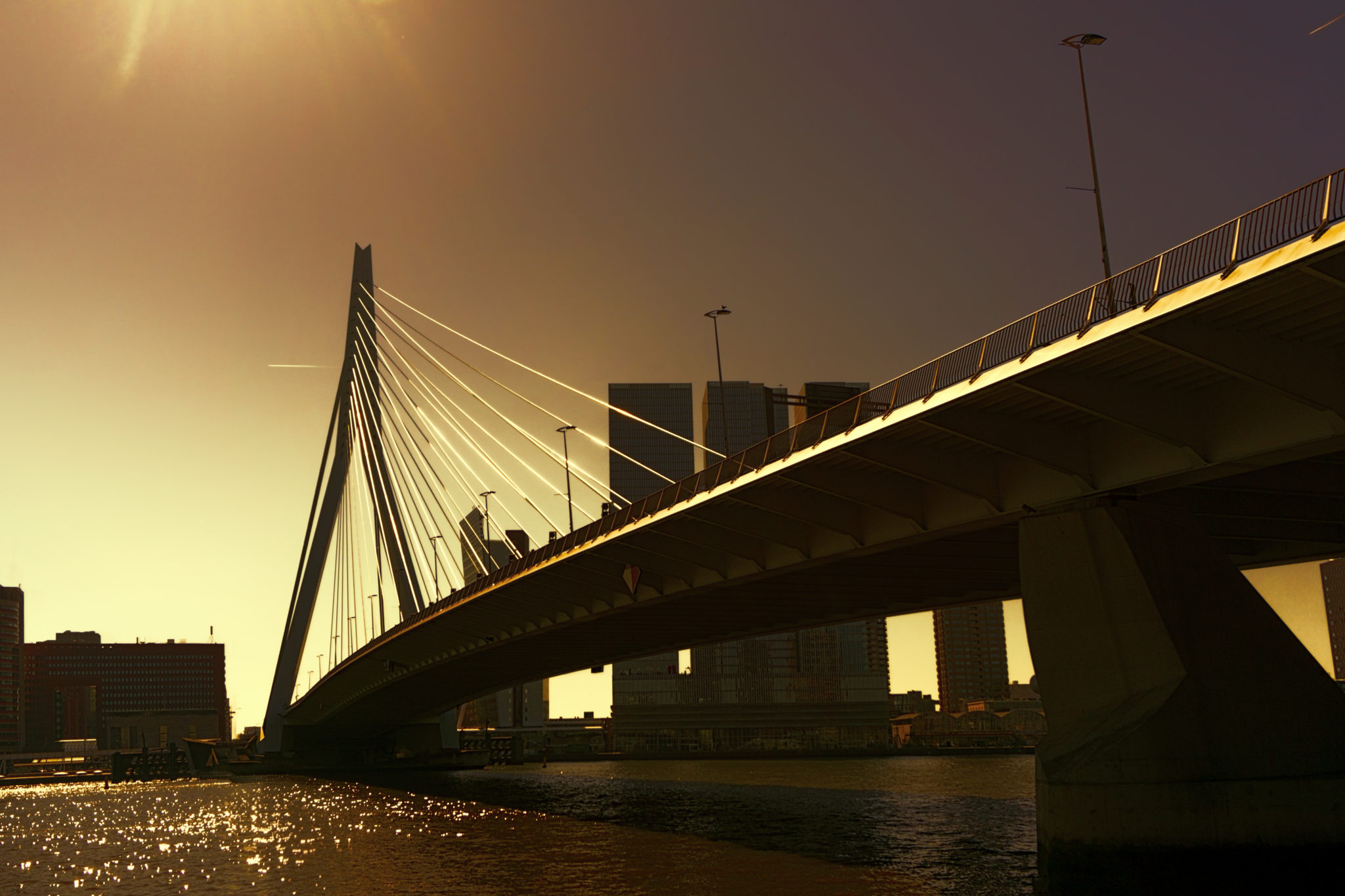

Rotterdam is a city in the Netherlands, in South Holland within the Rhine–Meuse–Scheldt river delta at the North Sea. Its history goes back to 1270, when a dam was constructed in the Rotte river, after which people settled around it for safety. In 1340, Rotterdam was granted city rights by the Count of Holland.
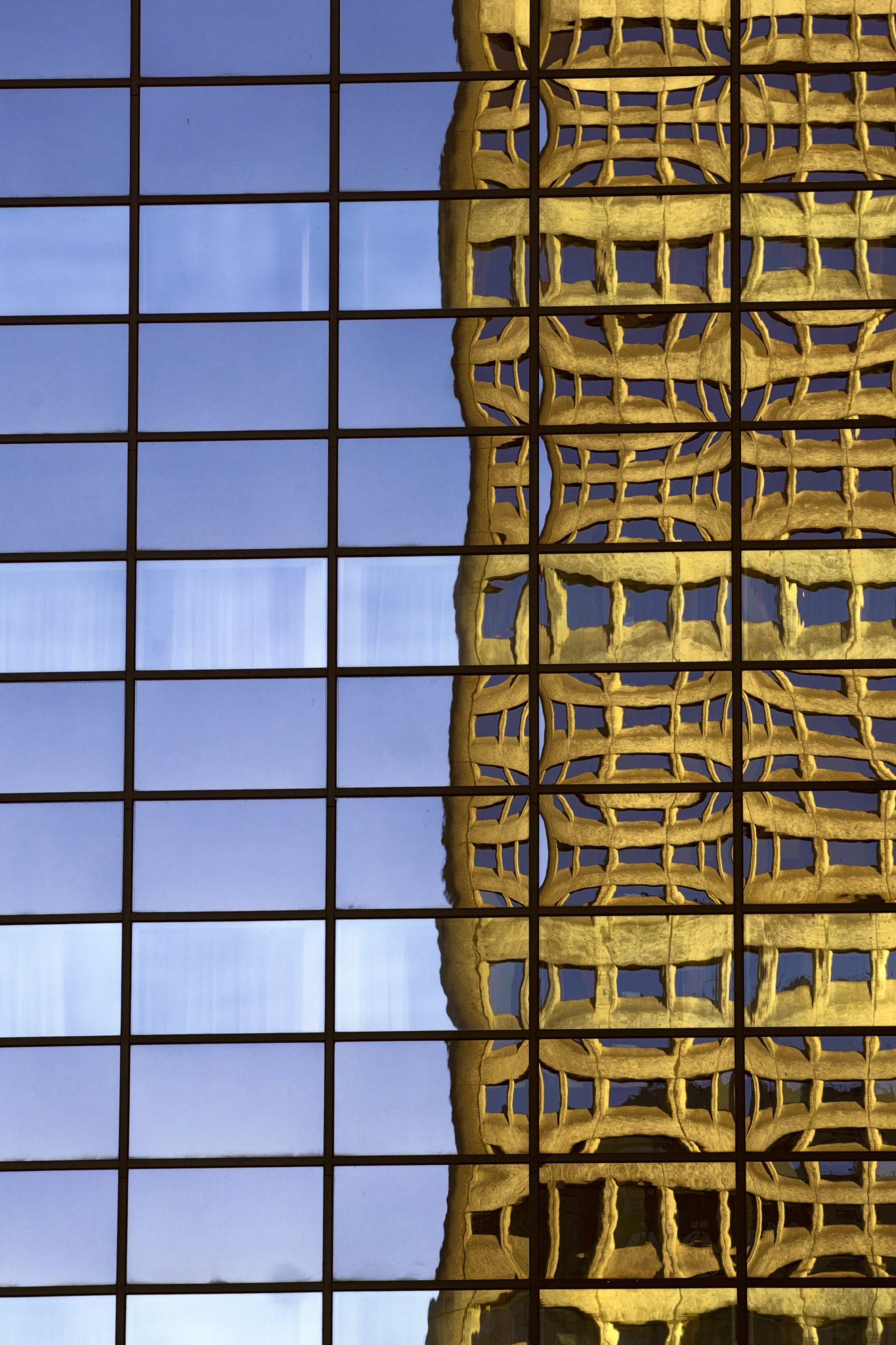

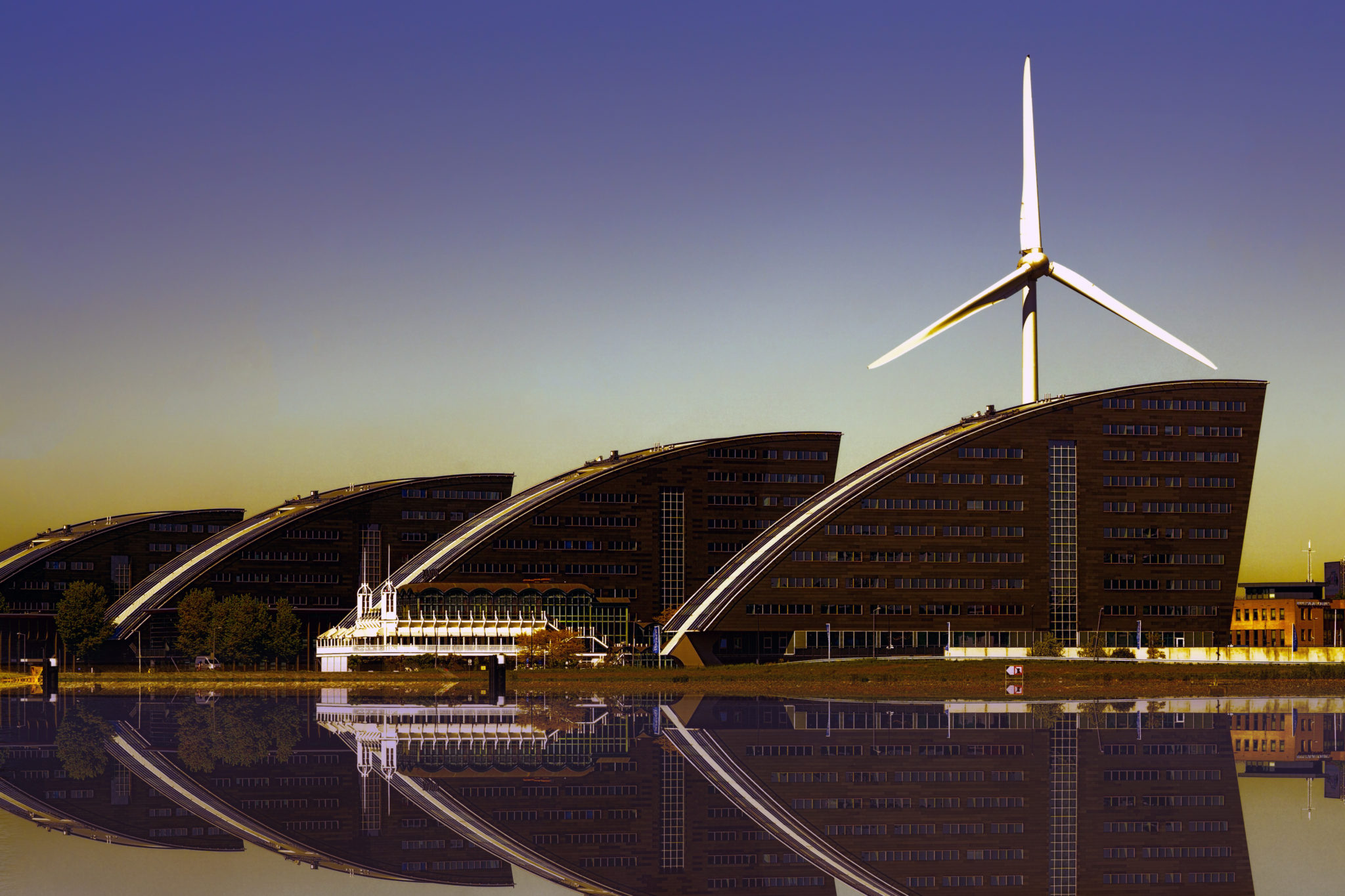

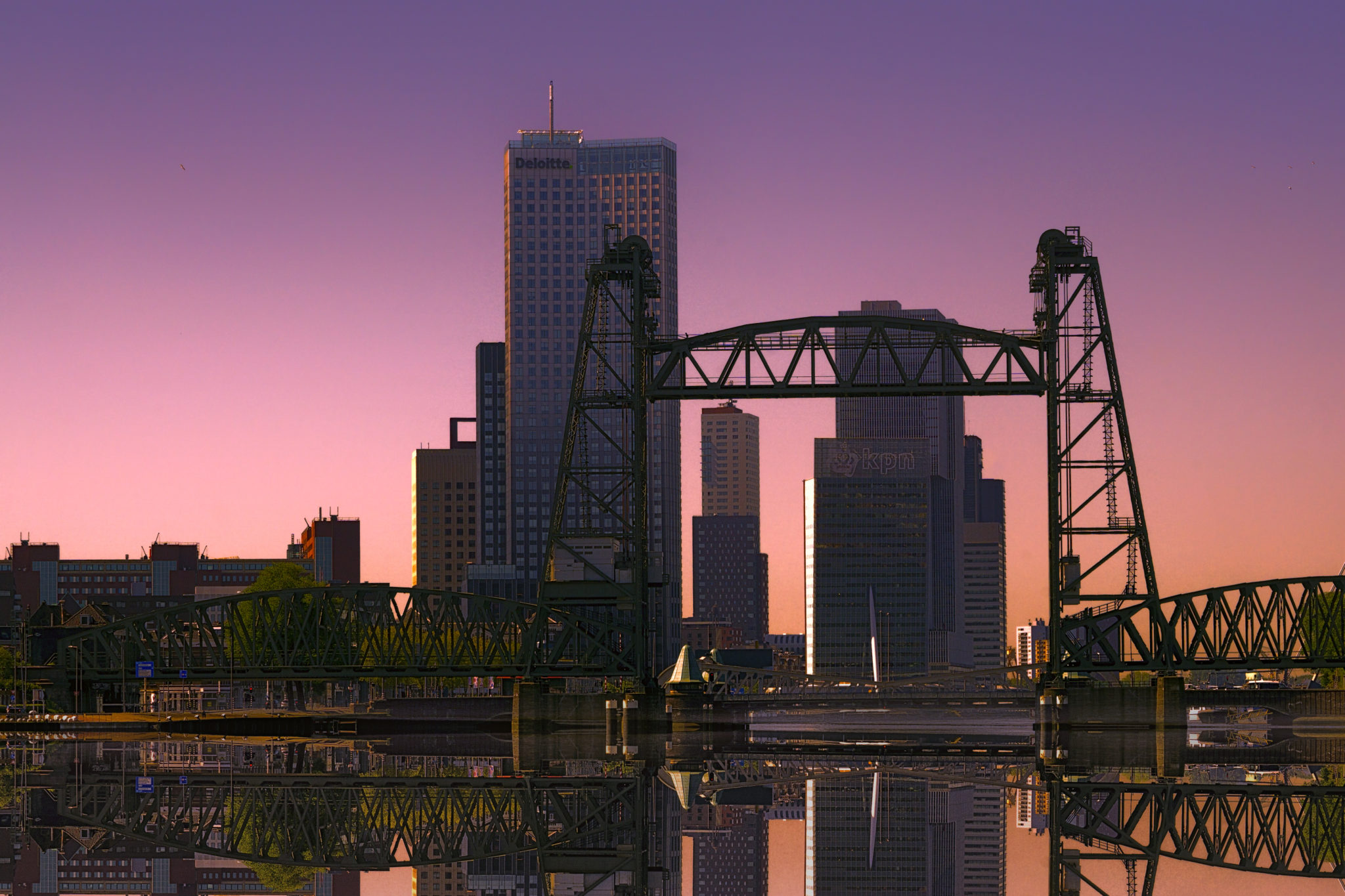

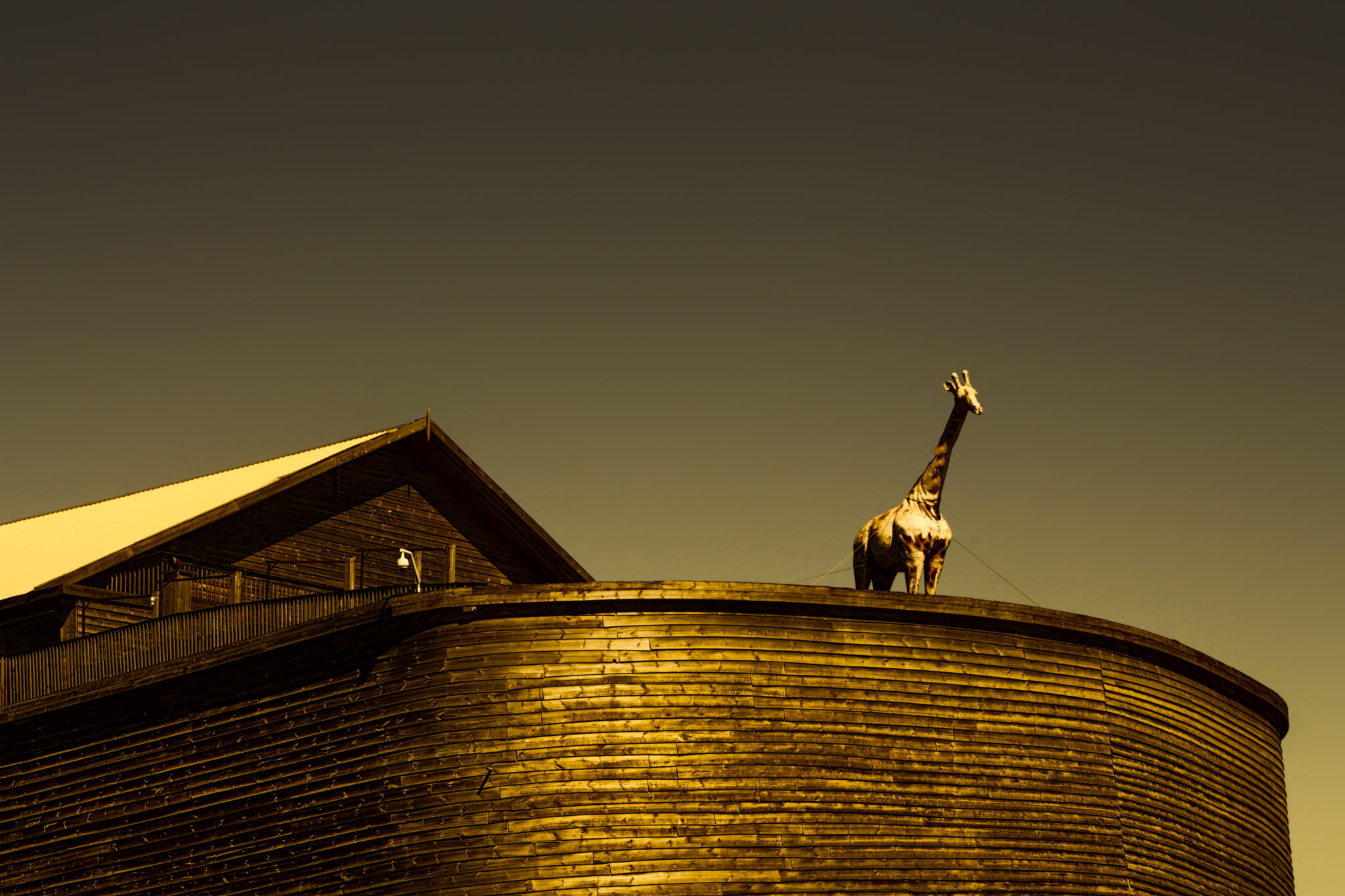

Rotterdam is known for the Erasmus University, its riverside setting, lively cultural life, and maritime heritage. The near-complete destruction of the city centre in the World War II Rotterdam Blitz has resulted in a varied architectural landscape, including sky-scrapers (an uncommon sight in other Dutch cities) designed by renowned architects such as Rem Koolhaas, Piet Blom, and Ben van Berkel. Rotterdam’s logistic success is based on its strategic location by the North Sea, at the mouth of the Nieuwe Maas channel leading into the Rhine–Meuse–Scheldt delta. The rivers Rhine, Meuse, and Scheldt give waterway access into the heart of Western Europe, including the highly industrialized Ruhr. The extensive distribution system including rail, roads, and waterways have earned Rotterdam the nicknames “Gateway to Europe” and “Gateway to the World”.
KINDERDIJK
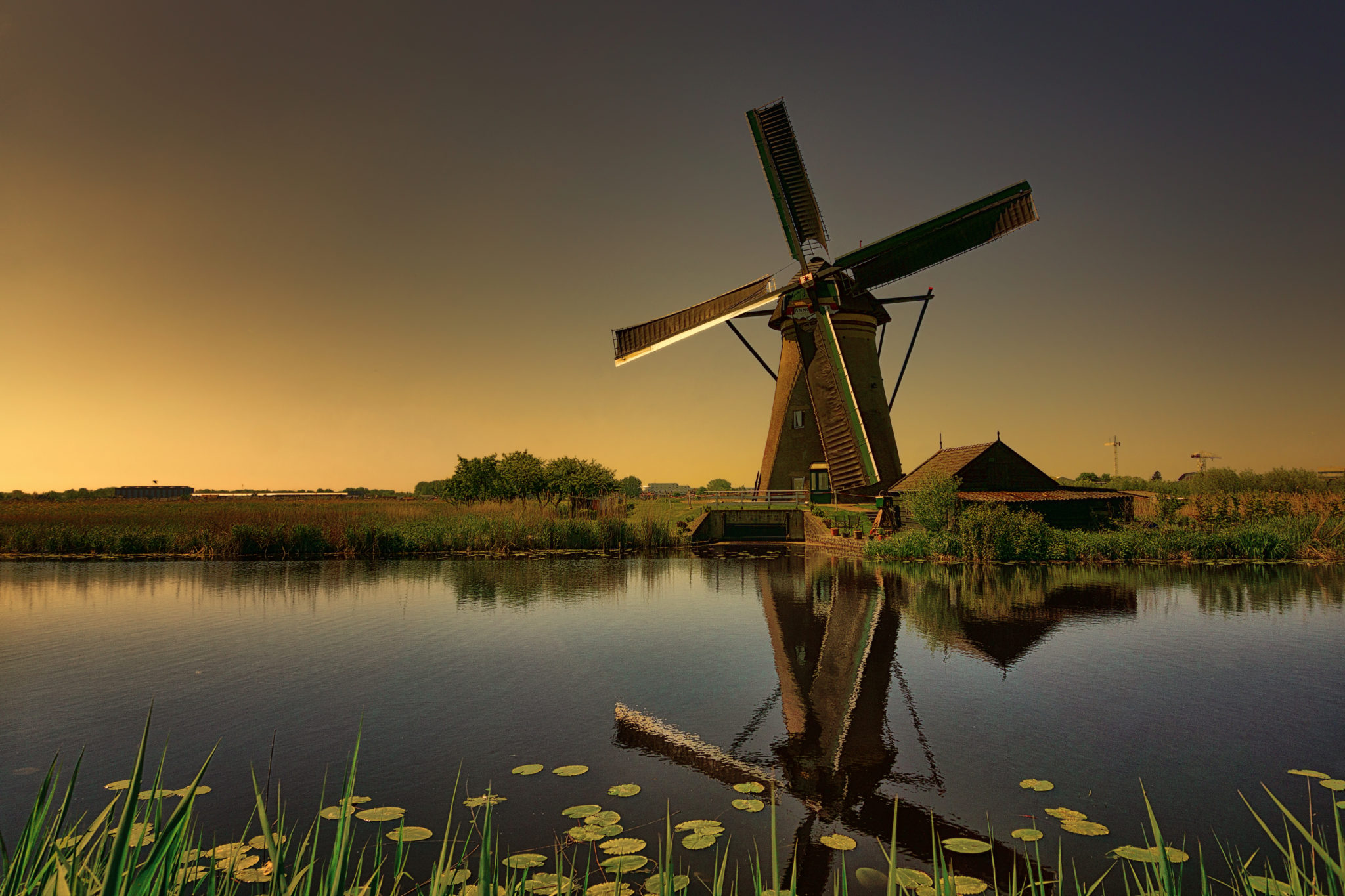

In the beautiful wetlands around Dordrecht, you will find the windmills of Kinderdijk. Nineteen beautiful windmills, built around 1740, stand here as part of a larger water management system to prevent floods. Today, they symbolise Dutch water management, and in 1997 they were declared to be UNESCO World Heritage.
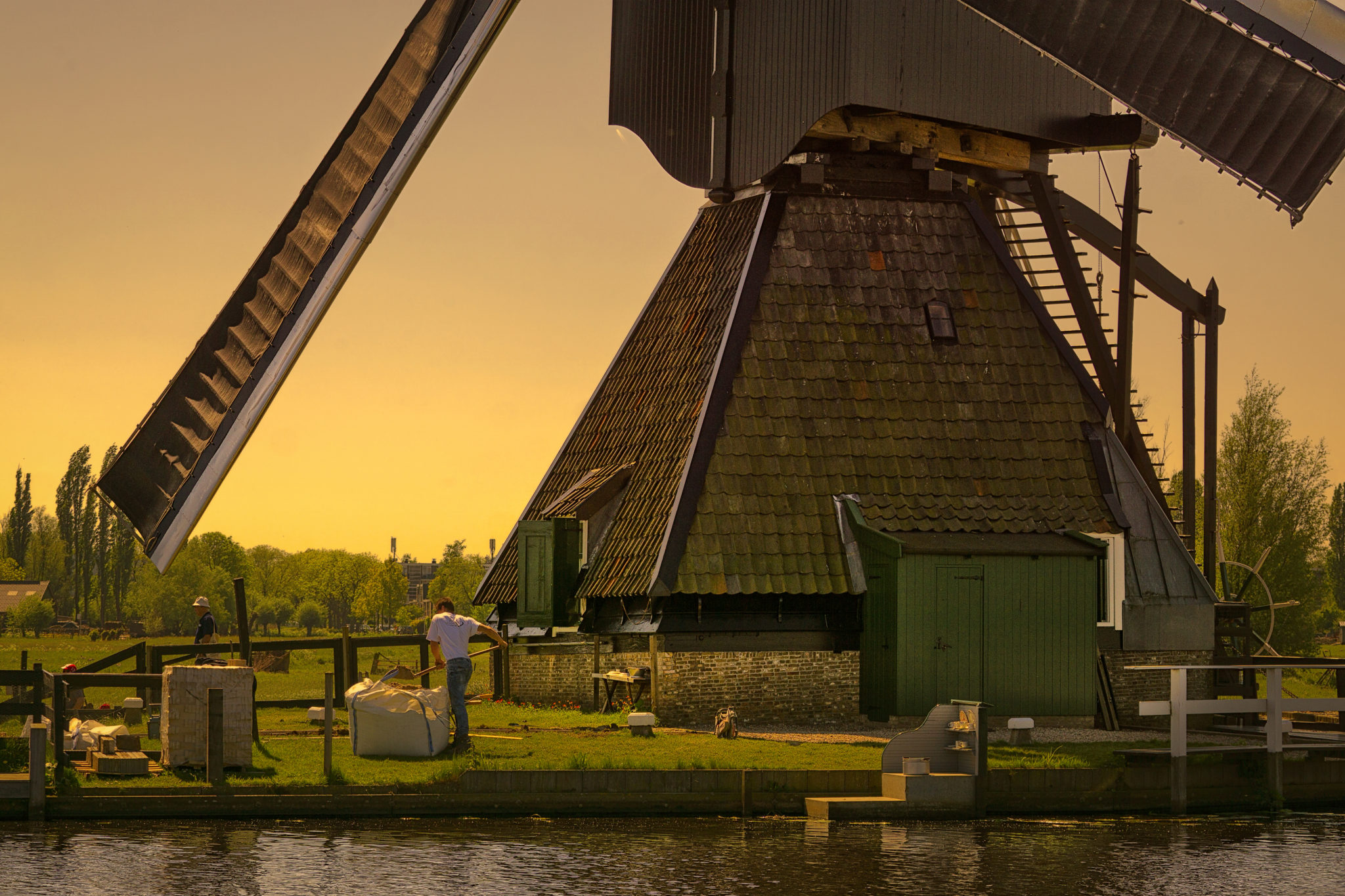

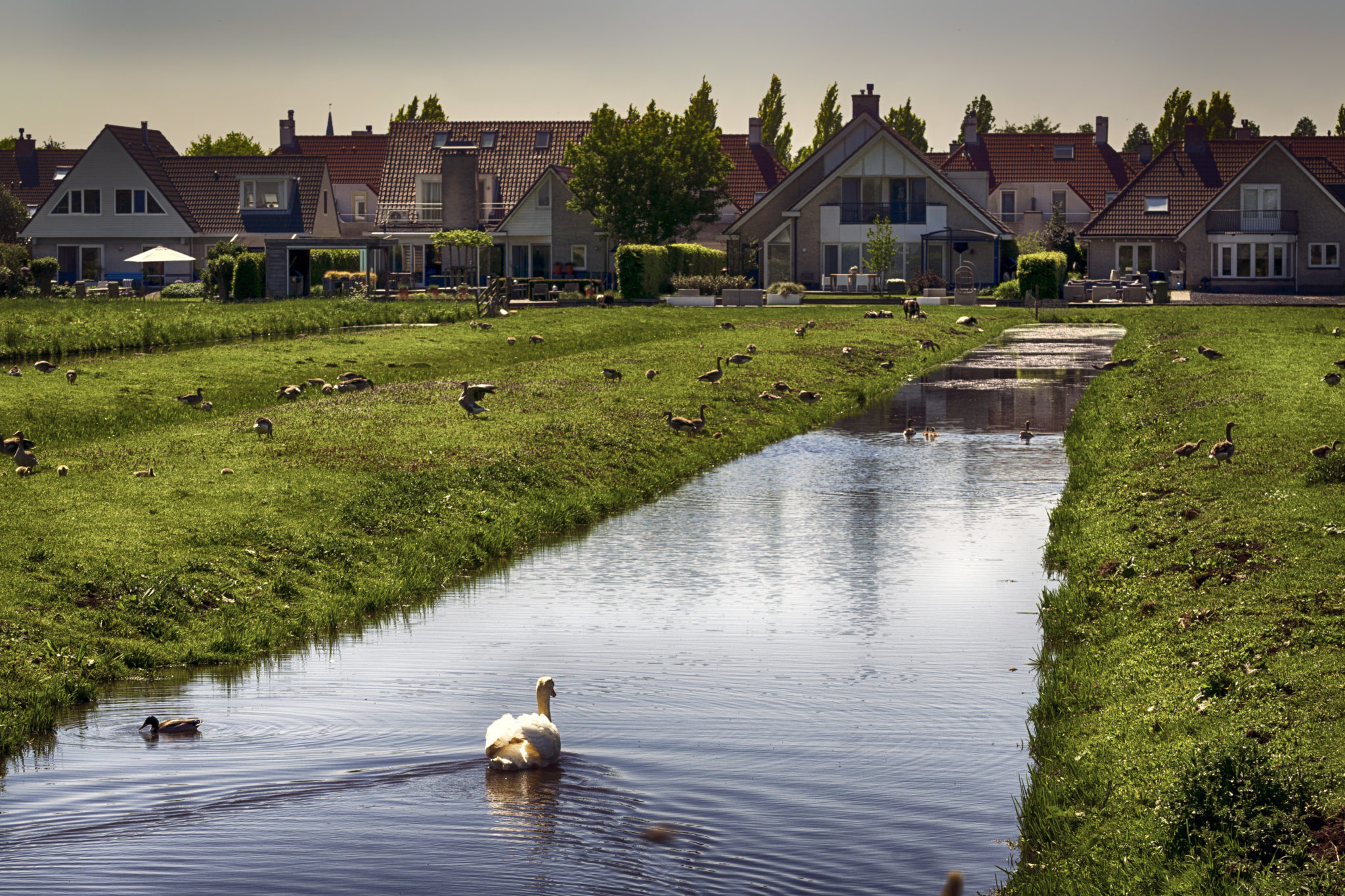

The windmills of Kinderdijk were built to keep the low-lying lands of the Alblasserwaard dry. Facing each other, they form an iconic Dutch scene. You can also admire many waterways, dikes, mills and sluices and discover how the Dutch have been using water to their benefit for over 1000 years.
Kinderdijk is easily accessible by Waterbus, too. The boat trip lets you enjoy the beautiful surroundings and you can bring your bike free of charge.
Cycling in total: ~330 kilometers
Cost of the trip
Flight tickets: SKG to Schiphol Airport by Transavia, 45€/person -Eindhoven Airport to SKG by Ryanair 34,30€/person
Bike Rental: 75€/7 days/ bike
Accomodation:
Edam, 3 nights, B&B Old Edam Haven, 285.00€ . Haarlem, 2 nights, Ambassador City Centre Hotel, 220.00€. Rotterdam, 1 night, Holiday Inn Express, 94.00€.
Transfers:
Volendam Marken Express 8,5€/person + 1,50€/bike
Theetuin electric boat: 45,00€/boat (2 hours)
Rotterdam to Kinderjick: 8,00 €/person- bike is free
Rotterdam to Eindhoven (train & bus): 25,00€/person
Museums and Parks:
Marker Museum:2,50€/person
Amsterdam Pass: 64,00€/person valid 1 day
Keukenhof park: 18,00€/person
Madurodam: 16,00/person
Suggestions:
Book your flight tickets several months in advance, to get a low fare.
Buy your entrance tickets to museums and parks before you travel, online, in order to save time and money.
Double check the wind direction if you are going to cover a certain distance by bicycle. Cycling up against headwind is harder work than cycling uphill.
Bottled water is expensive enough. Keep a bottle with you and fill it in any tap. Tap water in The Netherlands is the safest end cleanest in Europe and probably in the world…